Edina Krompák | Lindita Bakii | Pascal Schmidt | Clara Seitz | Victoria Wasner | Angela Creese | Adrian Blackledge
The moment the train arrives into Lucerne, links to the rest of the world through art and sport are apparent. Three football fixtures for the Women’s Euro 2025 championships will be held in the city while posters about the upcoming Women’s World Rowing Cup immediately catch our eye as we walk from the station to the hotel. Expected are 43 nations to compete in the ‘Lake of the Gods’.
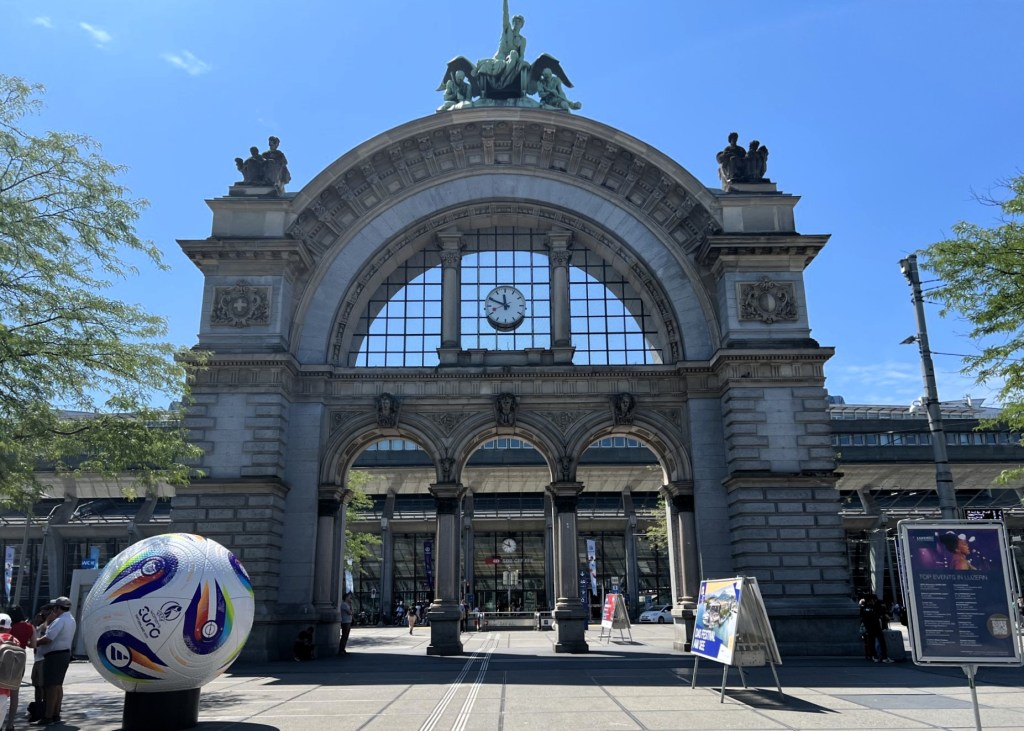

We had not anticipated sport as central to the city, nor to the Swiss case study, so the link to language and sport was an additional bonus, as we sat down over the next two days to discuss the developing shape of project, “Multimodal, multilingual and digital practices among Swiss Youth”. Already links are emerging with other case studies in MultiLX, particularly the Catalan study, ‘Sports, Youth and Languages in Catalonia’.
Clara Seitz and Pascal Schmidt are practicing teachers and Master students who will bring added value to the Swiss team by researching an aspect of their own teaching contexts in multilingual Switzerland. Both are committed to raising the profile of minorized languages and their communities. Clara will bring ethnographic detail to the study of the Italian-speaking Ticino region focusing on young people’s agency around Italian in the wider context of sociolinguistic marginalization. Pascal will work closely with physical education teachers in the Romansch speaking region of Grisons. He will look at how sport can be used productively in the maintenance of Switzerland’s minority language.
A strong theme which ran through the two days was arts-based methodology and ethnography.
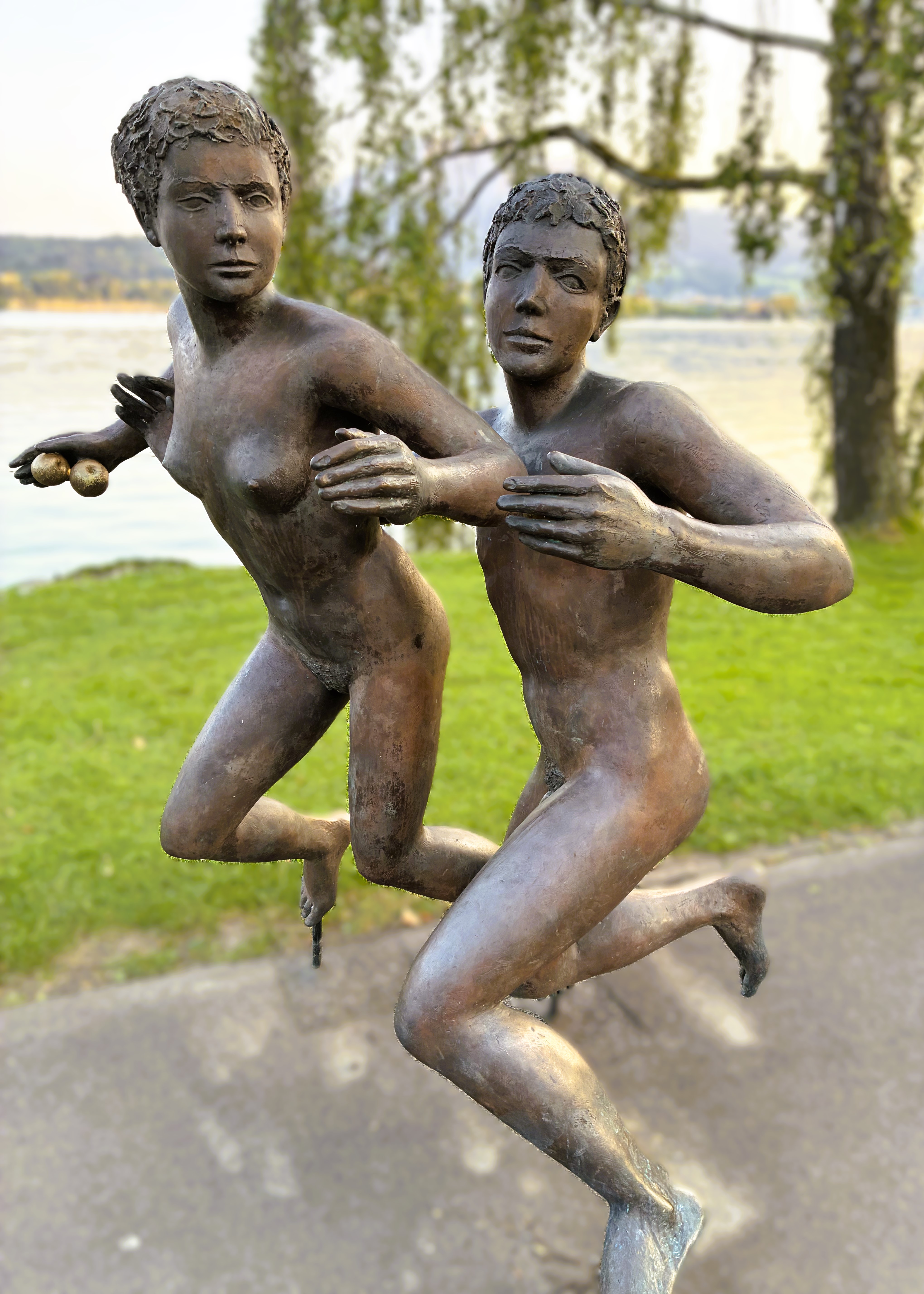
Researchers Victoria Wasner and Lindita Bakii led a thoughtful discussion about art posing reflexive questions, about legitimacy, rigour and engagement with regard to schools and its potential to engage young people. They provided a review of arts-based approaches particularly in educational settings raising questions such as:
- How can arts-based approaches provoke thinking and exploration?
- Is the value of artwork in its truth or aesthetics?
- Is poetry an alternative to academic prose to spark imagination among youth?
- Can poetry open up research findings in professional development?
Over the two days principal investigator Edina Krompák made links between the arts and research. She introduced us to 3 artist/educators who generously discussed with us their ideas for input into the project.
- Marco Seeli, a video artist and teacher educator spoke about his participatory approach to working with young people.
- Romana Lanfranconi, an artist, film maker, producer and director (https://www.romanalanfranconi.ch) led a detailed discussion about building relationships with participants, working with skilled camera operators, and how to promote films for audiences
- Svenja Herrmann, a writer and poet, described her work with young people using poetry for ‘strengthening strengths’ in her art-literacy approach.
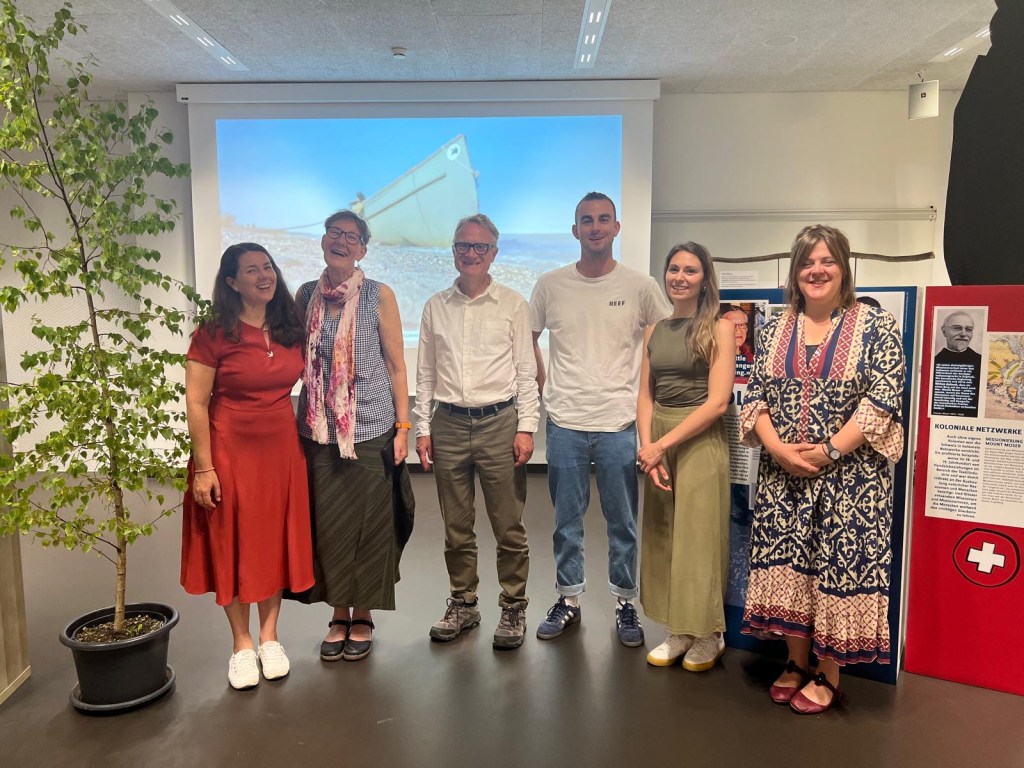
Finally we looked forward two years to image an art exhibition the Swiss team intend to conclude their study with in 2027. We heard about ‘lifescapes’ to be curated by Beat Küng, exhibiting art, photos and other media. We visited the dedicated exhibition space ‘Lernwerkstatt’ at the University of Teacher Education Lucerne and its current exhibition, ‘Powerful voices. Encounter with Indigenous people from Canada’. As we walked around, we could not help but resonate with its agenda and the need to raise the voices of minoritized peoples (https://www.phlu.ch/beratungen-angebote/lehrpersonen/lernlabor-und-lernwerkstatt/lernwerkstatt.html). The exhibit spoke a powerful message to us.
 MultiLX
Leave a comment