Pia Lane | M Seppola-Simonsen | Vida Colliander | Angela Creese | Adrian Blackledge
Day 1
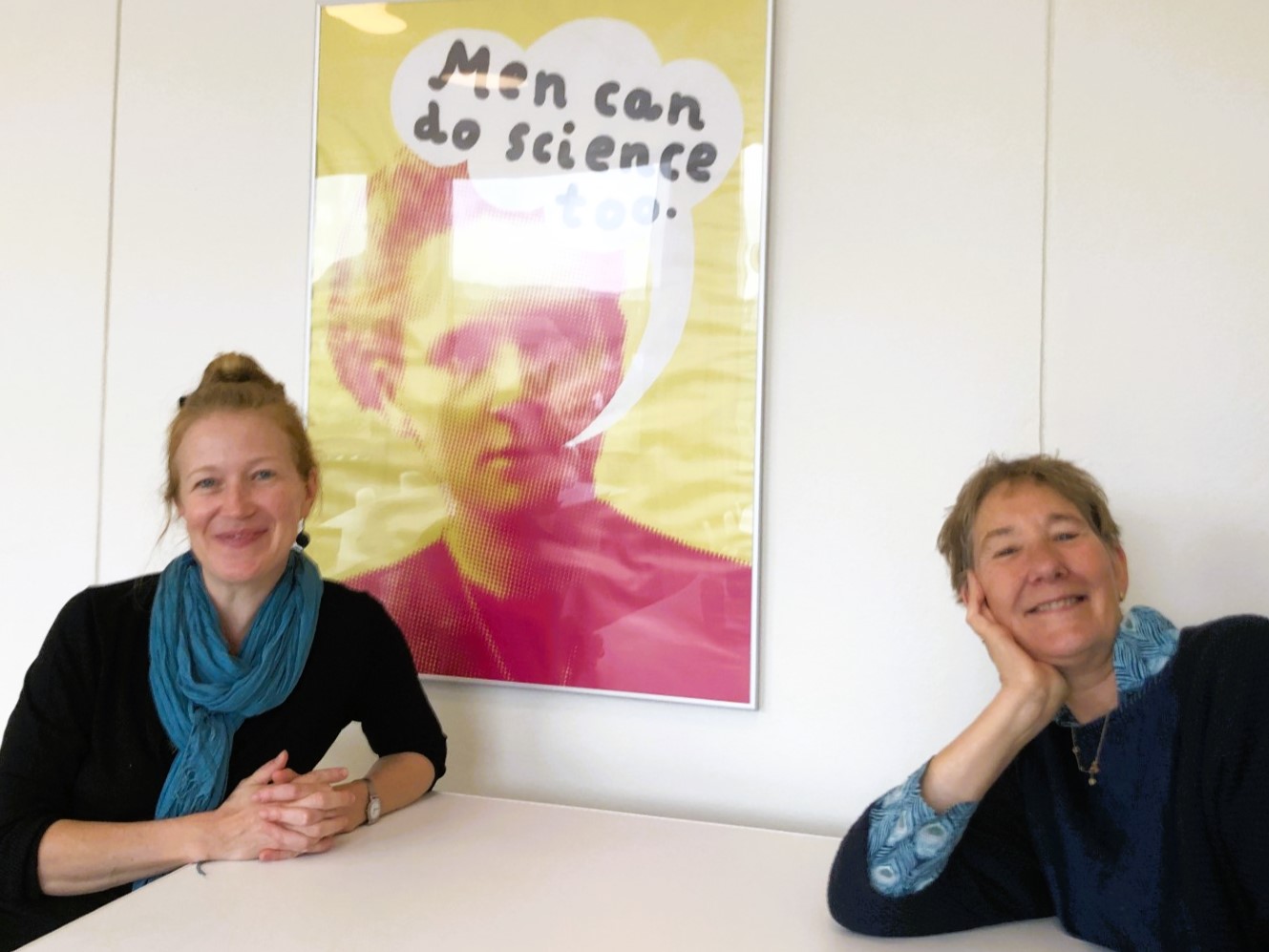
On 1st September we met Professor Haley De Korne of University of Oslo, who is Co-Investigator for one of the MultiLX sister projects, FOSTERLANG. In a rich and profitable morning each of the projects made brief presentations and exchanged thinking about the direction and trajectory of their research. The FOSTERLANG project aims to have a transformative effect on how the linguistic and human capital of speakers of minoritised and migrant languages is recognised, valued and strengthened for the benefit of their communities and Europe as a whole. One of the major outcomes will be a Linguistic Capital Road Map which will set out recommendations for effective and meaningful strategies for fostering Europe’s linguistic capital and safeguarding minoritised languages. The evident synergies between the two projects holds much potential for the next three years.
In the afternoon session the research team discussed the Norway-based Case Study research. The project focuses on young people in Northern Norway and beyond who may be interested in reclaiming Kven language and heritage. The site of data collection is the young people’s Instagram posts and stories. Data collection is already well under way, with M attending a number of festivals and events throughout the summer months.
As evening came we headed for the airport and a trip to Alta in the far North.
Day 2
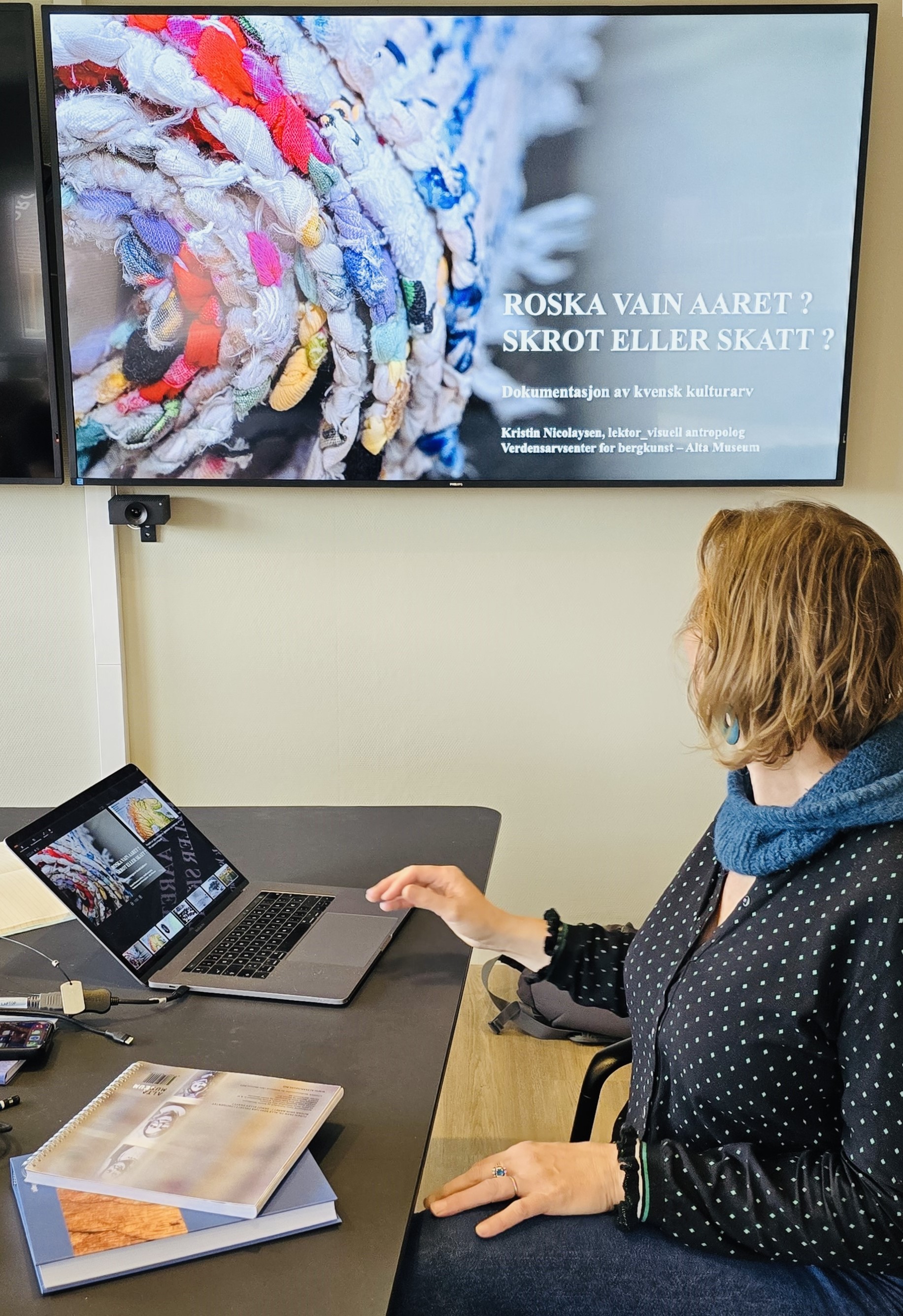
On 2nd September we met Kristin Nicolaysen, visual anthropologist and film maker, at the University of Tromsø (Alta campus). Kristin is a lecturer at Alta Museum, and a collaborating partner to the MultiLX research project. We described both the broader aims of MultiLX and the Kven Case Study. Kristin in turn talked about her creative practice as a film-maker. She also engaged in very helpful discussions about the affordances of collaboration between academic research, artistic practice and the cultural heritage sector. We had planned to visit the World Heritage Rock Art Centre at Alta Museum. However, our conversations had been so wide-ranging that we ran out of time. We resolved to return in a day or two on our way back from our trip East.
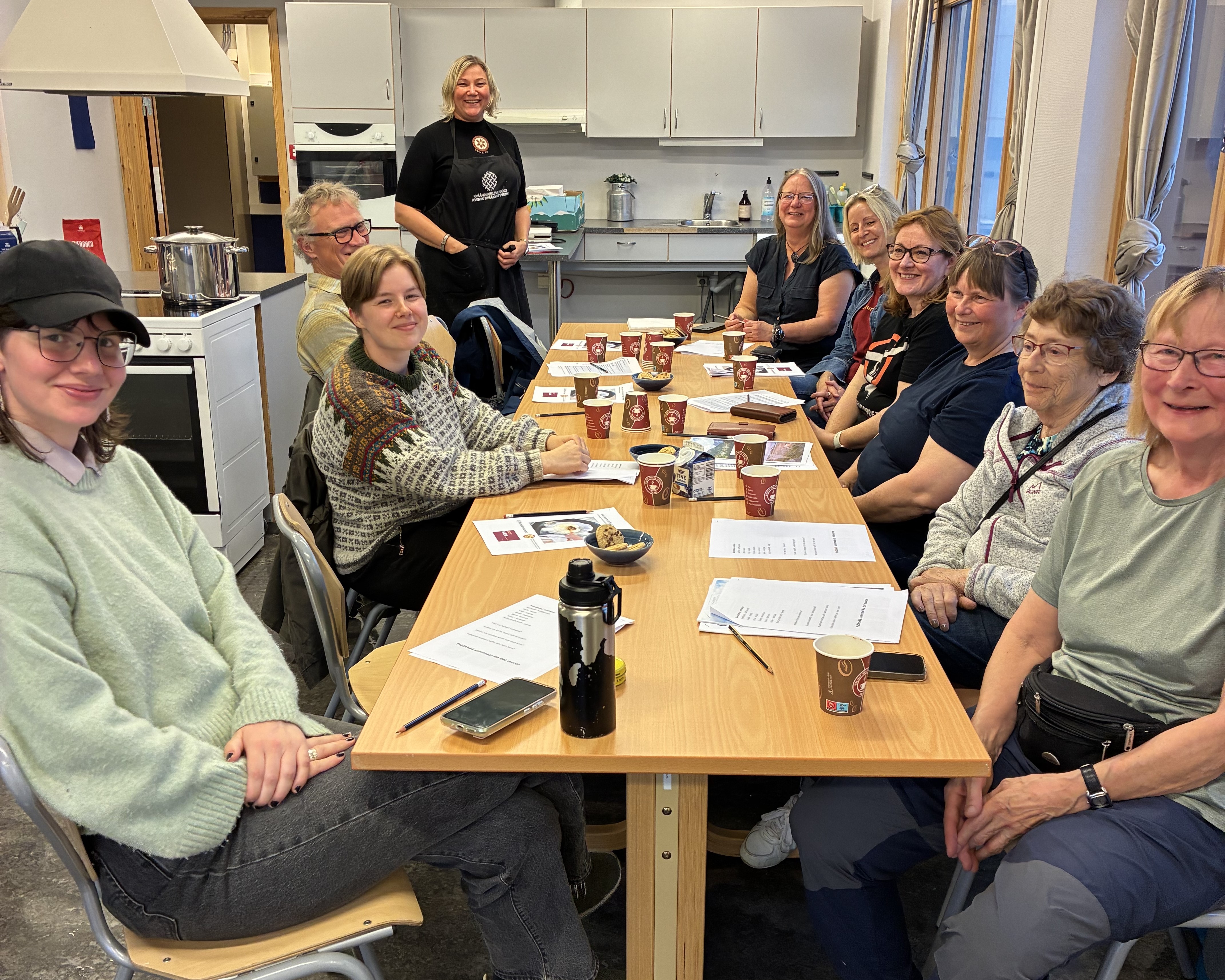
We drove to Lakselv, noting many reindeer and a lone eagle on the way. In the evening we attended a Kven language café, where we saw a demonstration of coffee-cheese making. This traditional craft of Sámi and Kven people involves making cheese from milk and curds and soaking it in coffee before eating the cheese. The workshop was full of laughter as the participants welcomed us as strangers in their midst.


Day 3
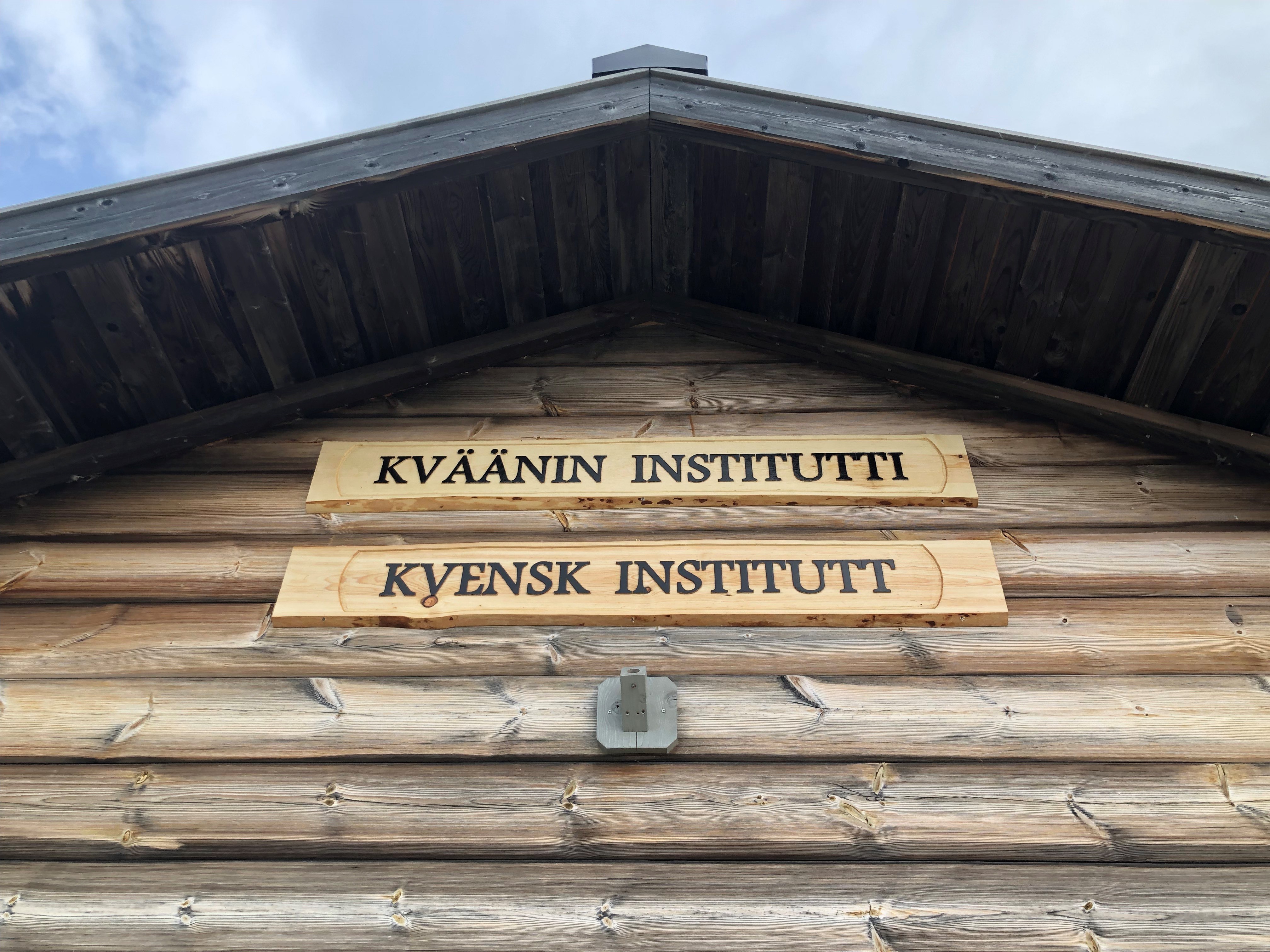
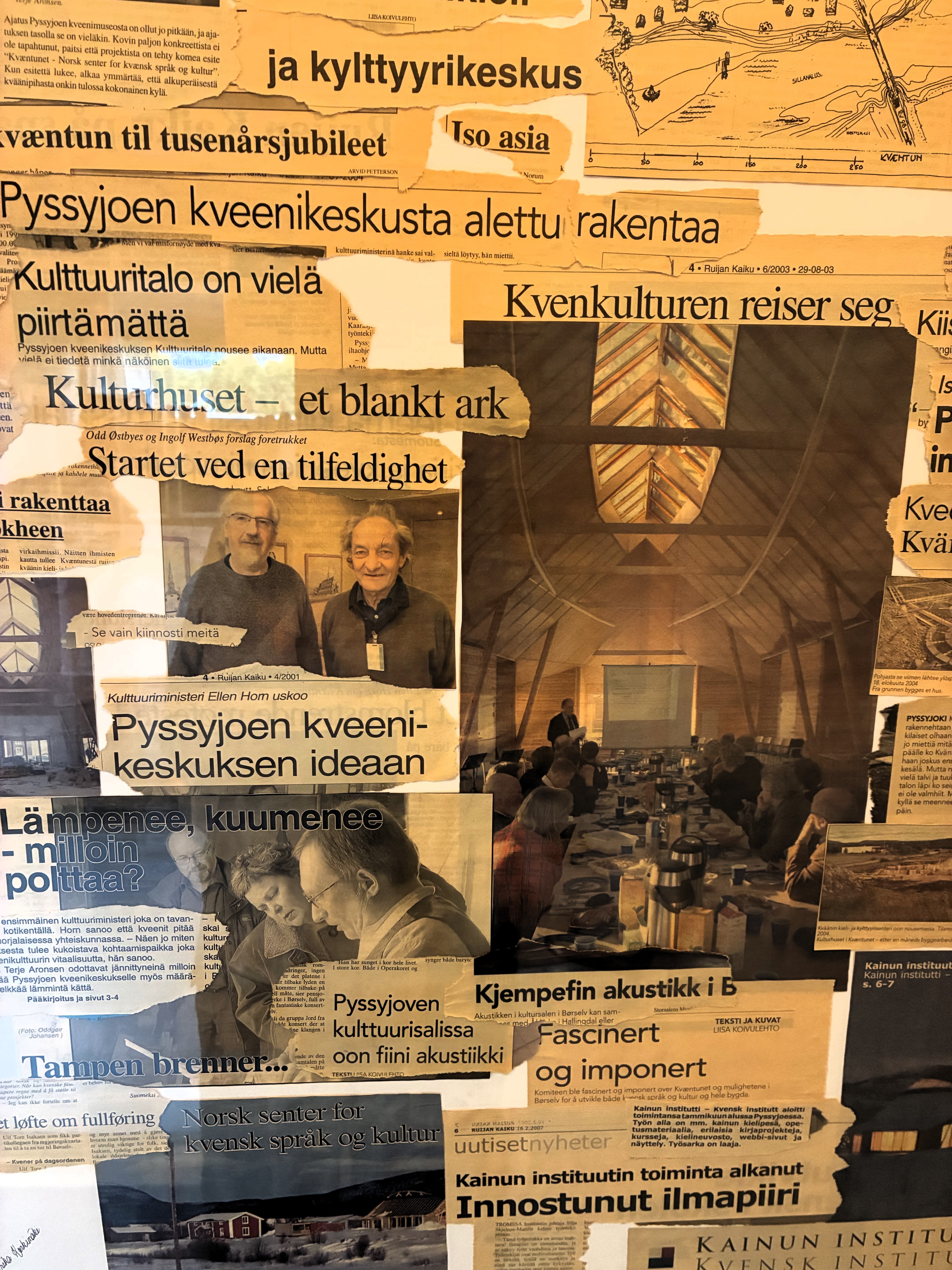
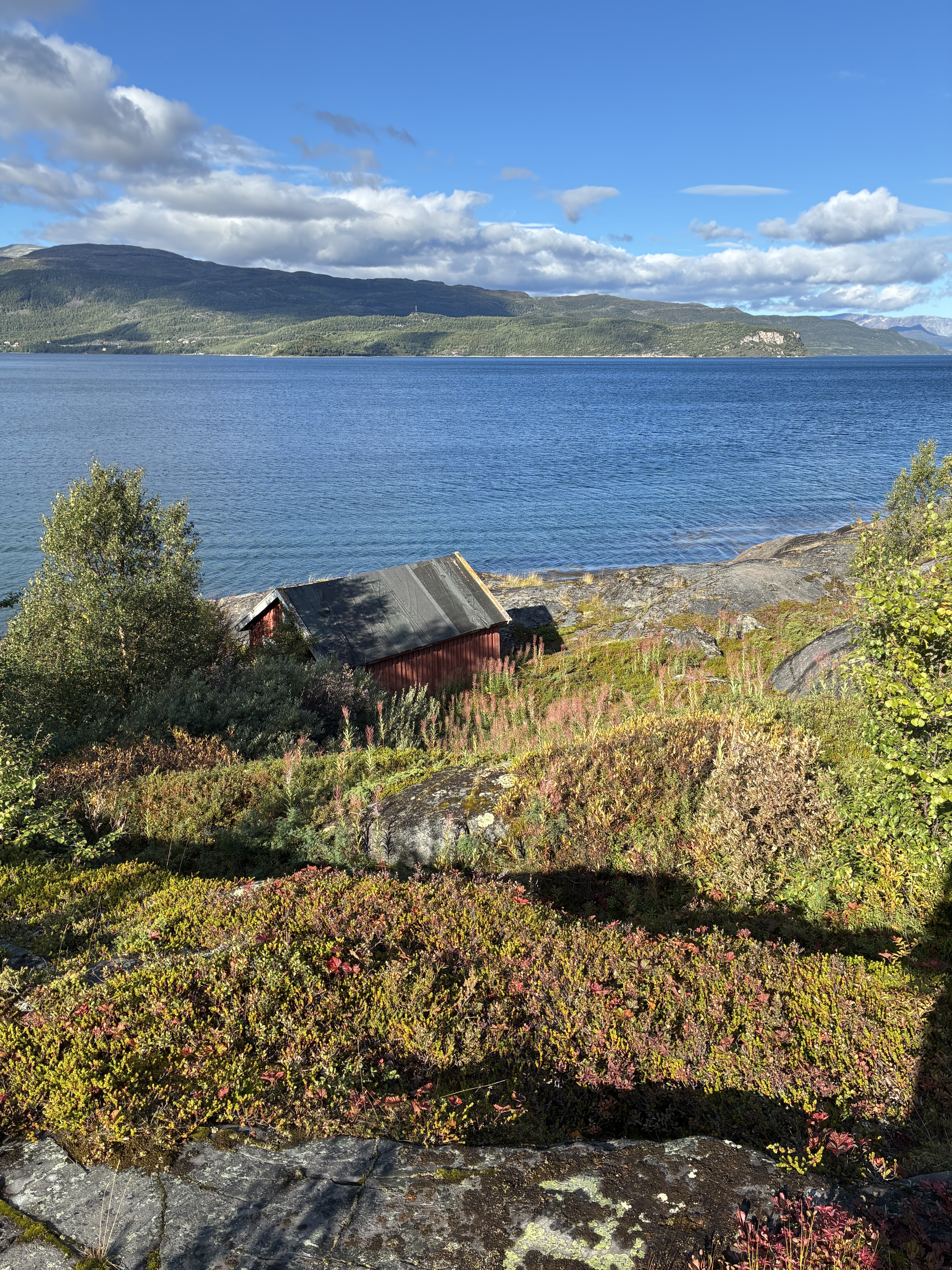
On 3rd September we drove on to Børselv, where we met Hilde Skanke and Anna-Kaisa Schultz-Räisänen at the Kven Institute. Kväänin institutti is a key partner to the Case Study. Hilde and Anna-Kaisa described their creative, practical approaches to engage young people with Kven language and heritage. The morning passed quickly as we listened and exchanged ideas. An exhibitions of photographs, the literary works of pioneering Kven author Alf Nilsen-Børsskog, followed by excursions to a traditional dwelling and school house, made the visit complete. When it was time to leave Adrian and Angela set off to drive the return route to Alta, while M and Pia headed back to Lakselv to continue their onward journey.
Day 4
On 4th September the World Heritage Rock Art Centre at Alta Museum was a revelation. Northern Europe’s largest concentration of rock art made by hunter-gatherers, the collection comprises both rock carvings and rock paintings made from 7,000 to 2,000 years ago. Figures carved into the rock include people, reindeer, elk, bears, dogs, wolves, foxes, hare, geese, ducks, swans, cormorants, halibut, salmon, whales, boats, implements and other artefacts and geometric patterns and shapes. Here was another dimension of cultural heritage through art, preserved for thousands of years. In our many conversations in Norway it has been interesting to consider what ‘heritage’ and ‘language’ mean to young people in the North. The research continues.


 MultiLX
Leave a comment