By János Imre Heltai and Eszter Tarsoly, with collaborators
Building community through language, research, and collaboration
The text below is a multilingual and multi-authored patchwork of reflections, inviting you to watch a community-based documentary film which is about our participatory project of linguistic ethnography. In this work, there are no “researchers” and “data providers” or “informants”: academic and non-academic researchers work together to understand the social practices and discourses in which we all participate. Academic and non-academic researchers have different but equally valuable knowledge. Our research group is based in Hungary, and includes both monolingual Hungarian and bilingual Romani-Hungarian speakers. The Roma live scattered in Europe, they experience prejudice and marginalisation everywhere, and they speak in many ways. Many of them live in segregated neighbourhoods, have limited access to education and health services, and are victims of everyday racism. Some are monolingual in a particular state language, others are bilingual, speaking Romani (a language of millions in Europe) in addition to a state language.
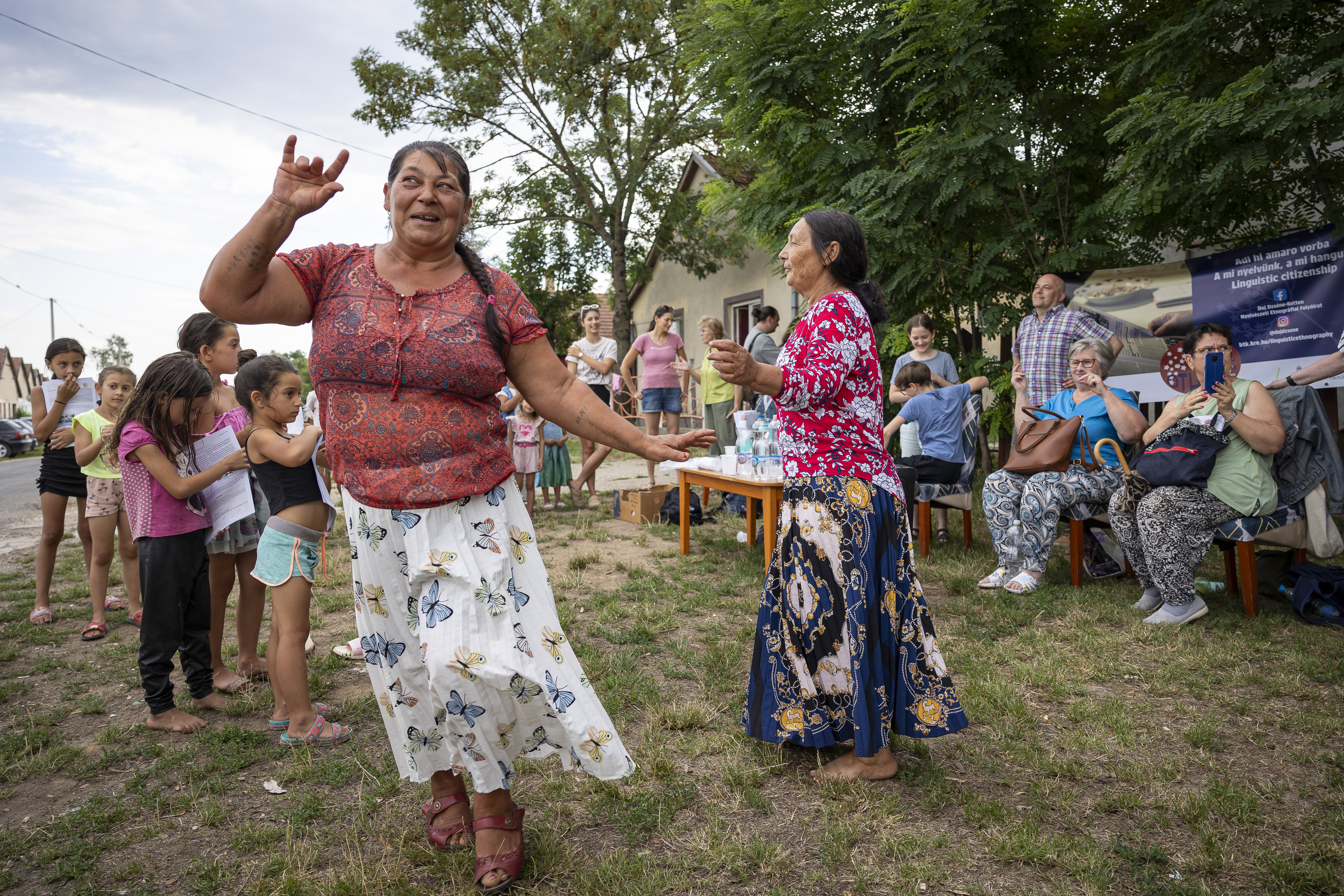
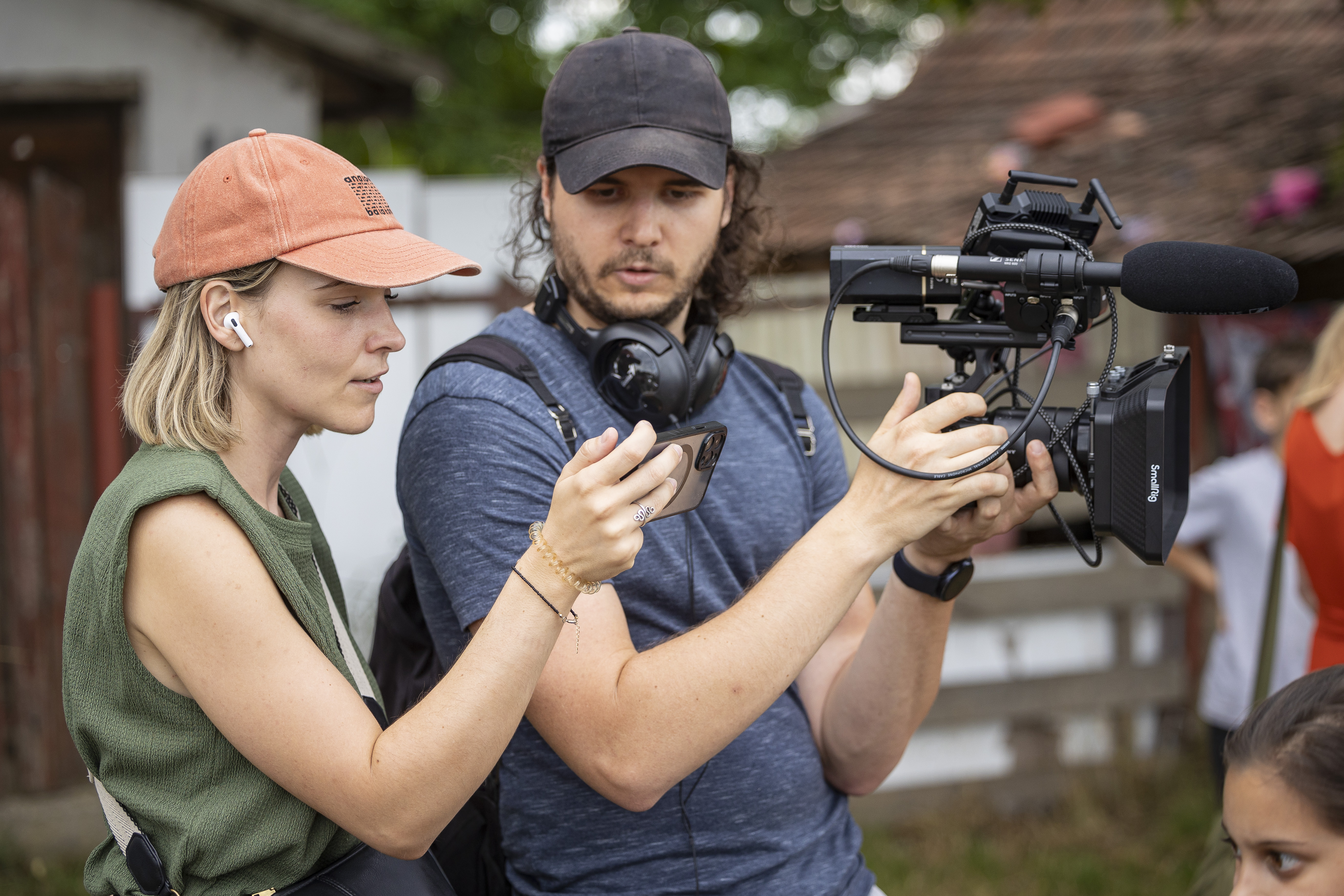
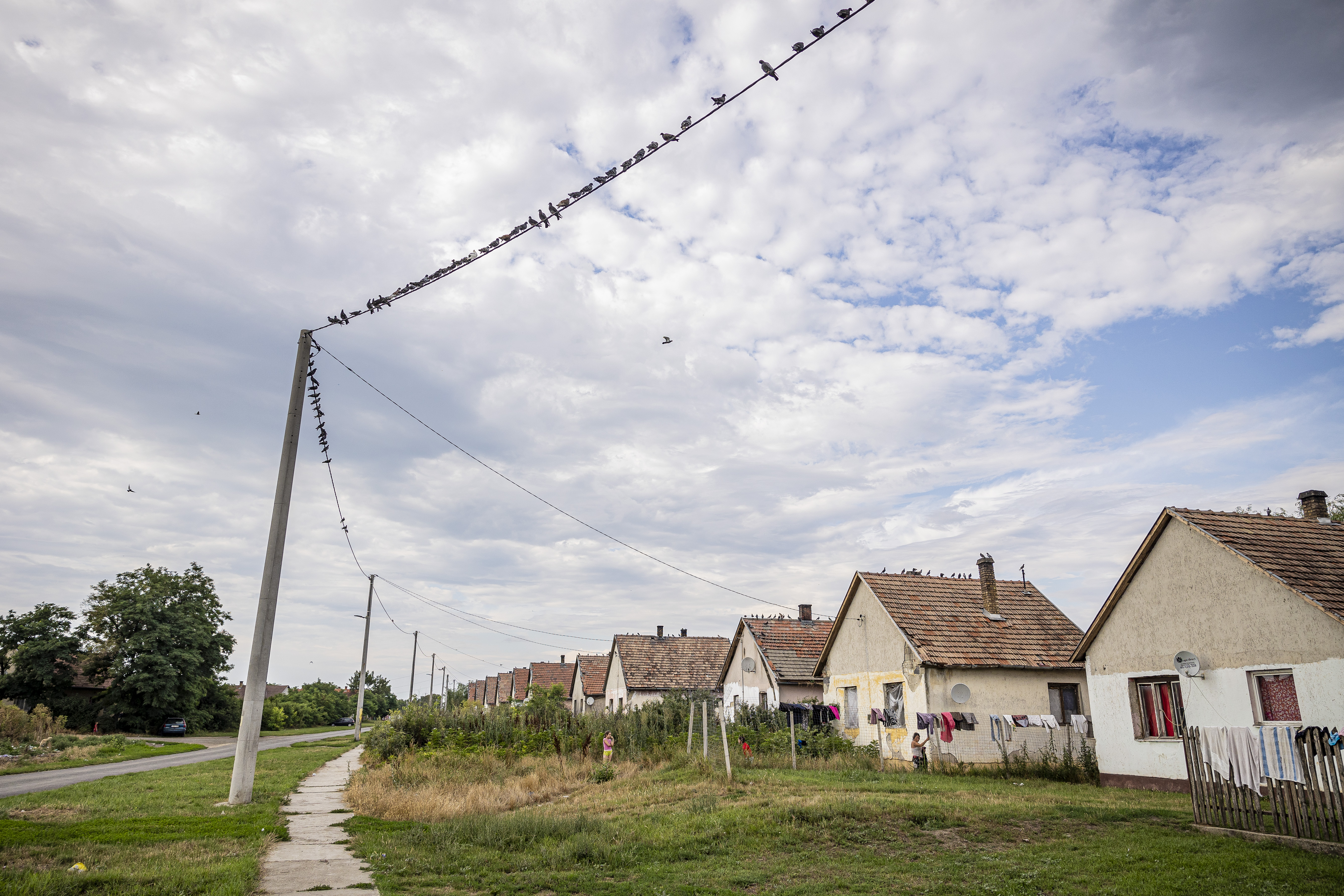
Most of the people you will meet in our film live in a small post-industrial town in the north-east of Hungary, Tiszavasvári, where about a quarter to a third of the town’s population speaks Romani as well as Hungarian. Some of us in the film travel from Budapest to meet our collaborators on a monthly basis. Other come from Finland or the UK. Together, we edit and write a journal entitled Duj Dzséne – Ketten – Two Together that promotes conviviality among the Roma and non-Roma who live in the town. Someone called our project following the London screening of the film a peace-making endeavour. So it is. But it is also time in which we learn about each other’s fears and joy, to overcome deeply ingrained insecurity and mistrust, and explore the local potentialities to create beloved community. Although some of us have been working together for nearly a decade, we found that making the film together, with the incredible support and understanding of film-maker Petra Pantyi, allowed us new types of access to each other’s worlds. János Imre Heltai and Eszter Tarsoly
Voices in Romani: language, reflection, and community perspectives
What follows is a patchwork of multilingual reflections from our various collaborators.
A local Roma researcher describes our project to community members in Romani.
We asked Mária Lakatos, (Csomma), one of our Roma collaborators, to summarise in Romani how she sees our collaboration and what we achieved together. The following lines formed part of the introductory column of the first issue of the journal: The Roma collaborators in our group went through Hungarian-language education and use the Hungarian alphabet when writing in Romani. There are various alphabets developed for Romani across Europe, many Romani speakers are unfamiliar with them. Our collaborators rely on their own judgement when writing in Romani, and not on standardised or recommended ways of spelling.
Pálszoszte hin vorbá táj pálszoszte kutátinász hallgatauvonencál táj le gyágyencál? Pálodi szityijám tevorbinkeren, hogy o romá, táj o gágye szár sáj fogadinász ekekáveren. Pálle teleposzkohelyzeto, pálo költőzisi ávriotár. Le romenge o költözési nagyon párohin pálotelepo ándogáv.
What are we talking about, and what are we researching, with non-Roma people? We usually discuss how Roma and non-Roma people accept each other. We also discuss the situation in the Roma neighbourhood and the possibility of moving out. It is very difficult for Roma people to move from the Roma neighbourhood to other parts of the city.
Seeing beyond labels: perspectives from the London screening
The London-screening of the documentary film at University College London was introduced by Dr Annabel Tremlett, Associate Professor in Social Inclusion at the
University of Portsmouth. The following is a short excerpt from her introductory remarks:
This is not just a language project, it is a project about how people live. It is a way of understanding diverse communities who live side by side, but not always together. This project has built relationships between people and tells their stories. In this respect, this is not a story about “Roma” or “Gypsies”. Too often it seems that the audience wants to hear the “Gypsies’ story” – who are they, where do they come from, what are their characteristics? (…) The project aims to continuously connect culture and language with practices and ways of speaking – in other words, not to separate culture and language from their context and the moments in which they happen. So in this project and film we see the Roma and non-Roma population of the city as individuals, but also with a collective sense of living in the city, while acknowledging different experiences, power dynamics, and different ethnicities and identities.
Experiences of collaboration: reflections from researchers
The following passages sum up student associates’ and civic researchers’ experience of the making of the documentary the reasons why the film matters to them:
Tiszavasváriban a roma és nem roma lakosság között éles ellentétek húzódnak. A film egy olyan csoport munkája alapján jött létre, ahol az az együttműködés és az együtt gondolkodás lehetőségét mutatjuk be. A filmnek azért örültem, mert láthatóan megmutatja, hogy ez az út az egyik helyes irány, amellyel segíthetjük a két csoport egymás mellett élését.
Erika Kerekes Lévai (civic researcher)
There are deep divisions between the Roma and non-Roma in Tiszavasvári. The film is based on the work of a group, our group, where we showcase the possibilities of collaborating and thinking together. I was really pleased with the film because it clearly shows that we are on the right track, that our way is possibly one of the most effective ways to help the two groups live together.
Már javában zajlott a film forgatása, mikor belecsöppentem a kutatócsoport munkájába. Magát a filmet jó ötletnek tartottam, de felmerült bennem a kérdés, hogy vajon a rengeteg anyagból készülhet-e olyan dokumentumfilm, ami úgy mutatja be a kutatást, hogy az egy kívülálló számára is érthető és érdekes legyen. Az első vetítés után nem volt több kétségem, mindannyian úgy éreztük, hogy a film visszaadja az együttműködésünk lényegét. Talán a vizualitás hatása, de azt gondolom, hogy leghatékonyabban a film által tudtuk az embereket megszólítani.
Melinda Herczog (student researcher)
In her comment, Melinda Herczog, emphasises that the film is a particularly well-suited genre for communicating the results of a research project.
Már a legelső pillanatokban magával ragadott a hangulat, amikor a kutatócsoport még csak arra várt, hogy megérkezzenek a nézők. Én magam is a nézők között voltam, és a film nézése közben egyre fokozódott bennem a vágy, hogy szeretnék ehhez tartozni. Hiszen ami itt történik, az kincs. A tekintetek, és a mosolyok beszédesek a film alatt, és mostanra meg már biztossá vált, kik vesznek körül. Jószándékú emberek, akik kapcsolódtak egymáshoz. Ez példamutató és motiváló.
Rebeka Dobos (student researcher), explains that her involvement in the project was made much easier by the film showing her how enthusiastically all the researchers participated in the work.
Continuing the conversation: film, exhibition, and further resources
The documentary film is available with English subtitles here. We also recommend our photo exhibition, created in collaboration between photojournalist Márton Kállai, multiple-winner of the Hungarian Press Photo Competition, and the Tiszavasvári Roma Girls’ Youth Club, on the initiative of the KRE Research Platform for Linguistic Diversity and Social Participation. Several articles from the four issues of our journal Duj Dzséne – Ketten – Two Together are also available in English. We also recommend visiting and following our social media pages.
 MultiLX
Leave a comment