✎ Author: Paula Teixeira Moláns
As a researcher in the project MultiLX, I spent months studying some of the initiatives to promote the Galician language among young people that are taking place in Santiago de Compostela and other parts of Galicia. One of the focuses of my research is the revitalization of regueifa: the art of oral improvisation in verse. This is how I had the opportunity to document various performances by the girls in the band Regueifa Tour and from the high school Marco do Camballón. They have been referred to as “native regueifeiras” because they have been integrating the art of oral improvisation like a second skin since they were very young. During these months, I was able to see that despite being so young, they have accumulated a lot of experience on stage and that they are used to articulating and throwing messages of social criticism in front of large audiences. The defense of the Galician language, international solidarity, and environmentalism are some of the topics they handle with mastery.
A few months ago, they were presented with a new challenge: participating in the “Regueifando con Pracer” project. This was a series of workshops designed by economist Raquel Doallo and sexologist María Domínguez in which they worked on affective-sexual education through the means of regueifa. The proposal was designed with a methodology based on safe spaces, voluntary participation and enjoyment of mistakes and promoted trust, empowerment and collective learning.
This project prompted the young regueifeiras with a new challenge: speaking from the self, opening up and discussing intimate topics that society considers taboo. And they did it. They did so with honesty and generosity. The “Regueifando con Pracer” project managed to make regueifa a safe place of companionship where they could talk about topics that are otherwise difficult to articulate: self-perception, self-esteem, female sexual desire and consent. The project also created a space for reflection in which gender roles were questioned and multiple forms of violence against women were denounced.
Part of the project was the recording of a documentary directed by Cora Peña and produced by Trespés Filmes. The trailer (in Galician) is available here. This is a film in which teenage girls call for sorority, peer support, the creation of a care network and the search for empowerment in the community. It is an honest and organic film in which young women take centre stage.
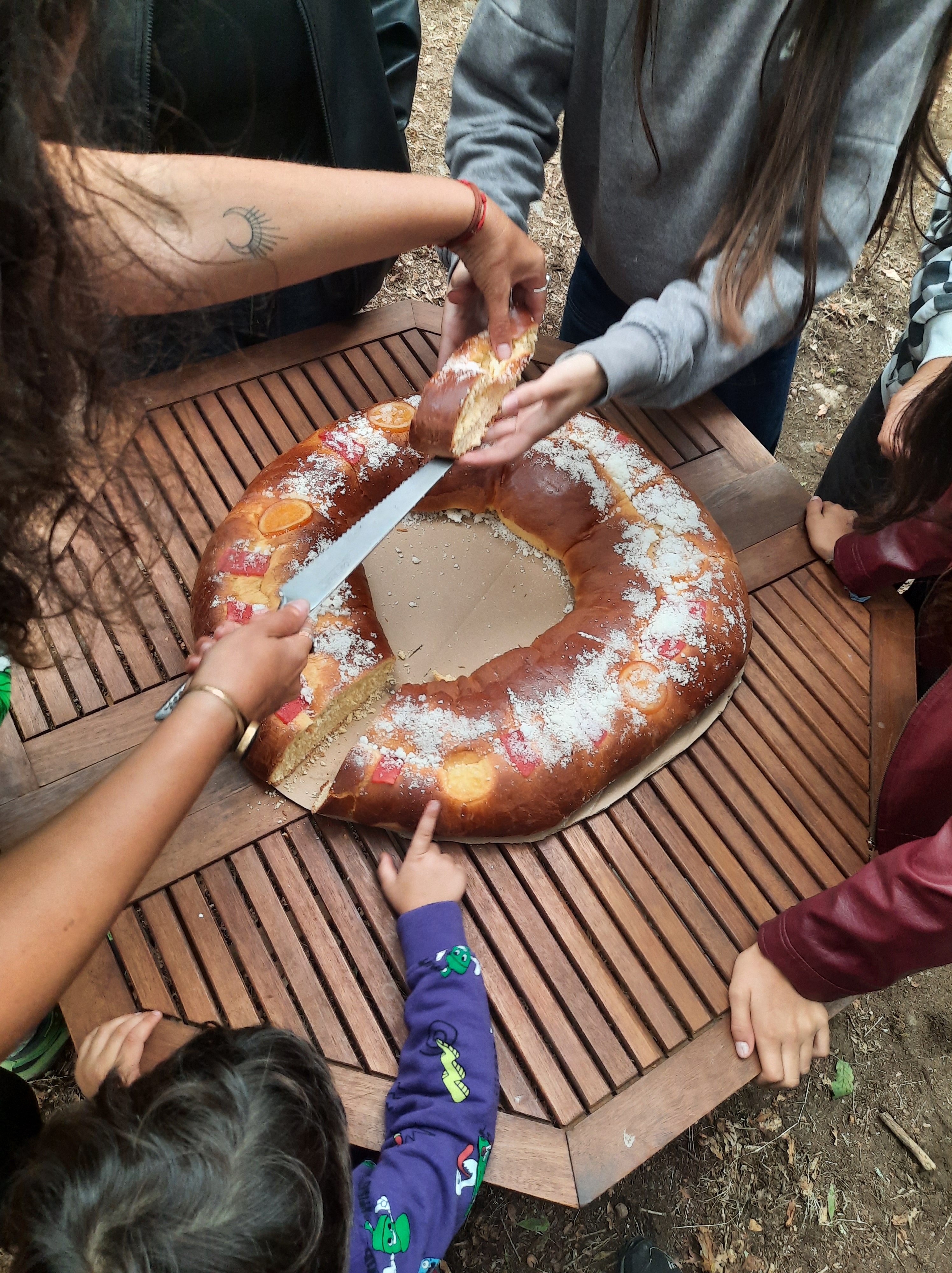
Originally, the word regueifa referred to a big piece of bread. This was won through an improvised verse battle taking place in social gatherings such as weddings. 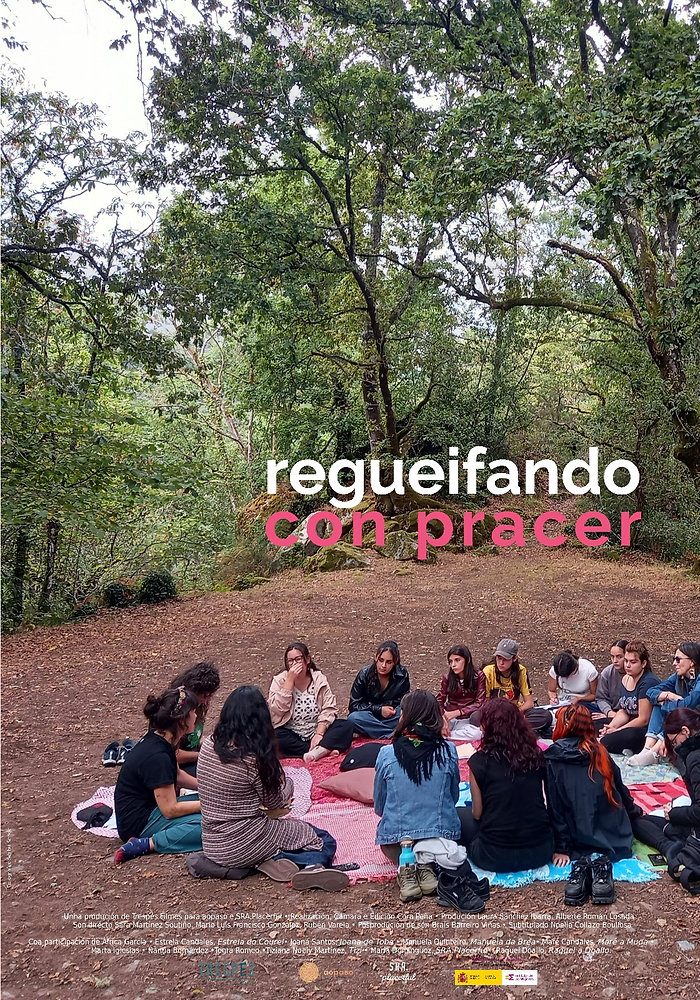
Promotional poster of the “Regueifando con Pracer” documentary 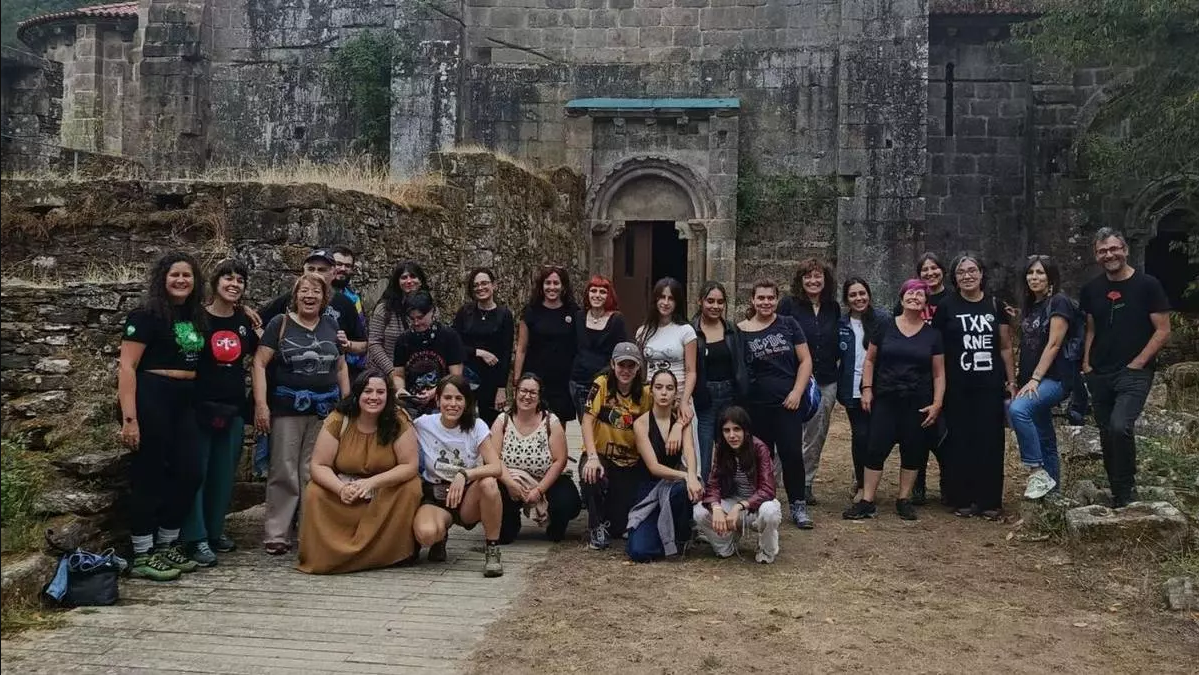
Attendees to closure event of “Regueifando con Pracer” project. Carboeiro 30th of August 2025. 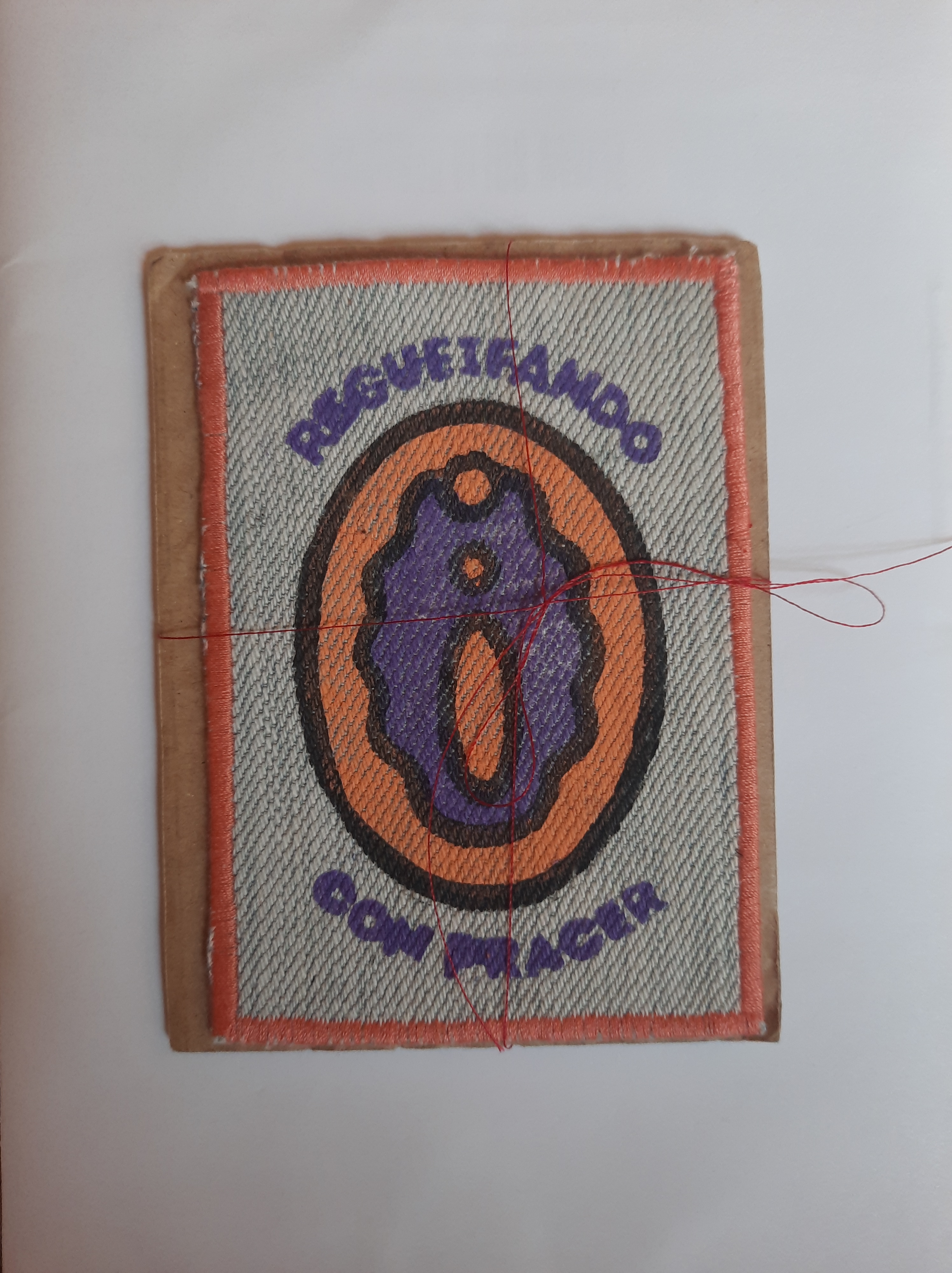
Gift for workshop attendees.


Leave a Reply