Jannis Androutsopoulos Universität Hamburg / University of Hamburg
Jannis Androutsopoulos is Professor of German and Media Linguistics at the University of Hamburg, having joined in October 2009 after serving as Reader in Sociolinguistics and Media Discourse at King’s College London. From 2016-2023, he was a research professor at the Center of Excellence MultiLing, University of Oslo. His work intersects sociolinguistics and media discourse studies, focusing on the relationship between linguistic differentiation and techno-social mediatization. He has researched language variation, style, and multilingual discourse in various mediated genres, including news, fiction, advertising, song lyrics, computer-mediated communication, and texting. Jannis has published over 150 papers and authored or edited 18 books, including Multilingual Families in a Digital Age (with K.V. Lexander, Routledge, 2023), which was a runner-up for the 2023 Book Prize of the British Association of Applied Linguistics. He also directs a project on language and inequality in secondary schools.

Florence Bonacina-Pugh Oilthigh Dhùn Èideann / University of Edinburgh
Florence Bonacina-Pugh is Senior Lecturer/Associate Professor in Language Education and co-director of the Language, Interculturality, and Literacies research hub at the Moray House School of Education and Sport, The University of Edinburgh, Scotland, UK. She is the co-founder of the Language Policy Special Interest Group of the British Association of Applied Linguistics and served as its co-chair from 2017-2024. Dr. Bonacina-Pugh is Associate Editor and Book Review co-Editor for the journal Language Policy. Her research focuses on language policy and practice in multilingual educational contexts, with work in mainstream schools, heritage/community schools, and Higher Education. Her recent publications appear in Language Policy, The International Journal of Bilingual Education and Bilingualism, and Language Teaching. She has also published Language Policy as Practice: Advancing the Empirical Turn in Language Policy Research (Palgrave). Dr. Bonacina-Pugh is Chair of the Board of Trustees for the French complementary school in Edinburgh.
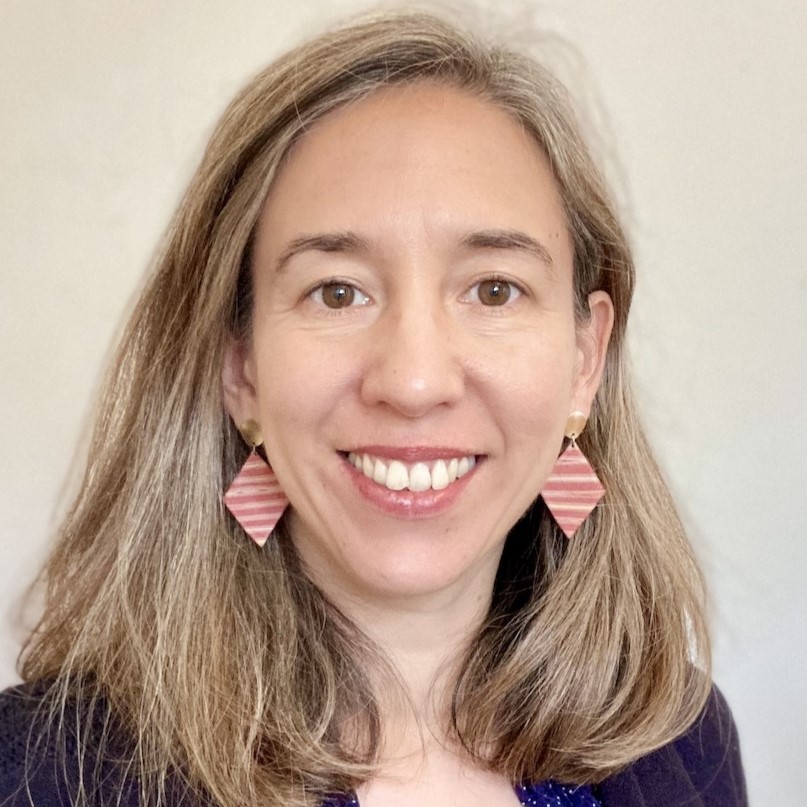
Jasone Cenoz Euskal Herriko Unibertsitatea / University of the Basque Country
Jasone Cenoz is an expert in multilingual education, minority languages, linguistic landscape, and second and third language acquisition. She has published numerous articles and several books and has presented her research results at numerous international conferences and seminars in different parts of the world. Her research has been recognized with prestigious awards, including the Research Prize from the Spanish Association of Applied Linguistics and the Advanced Research Prize from Ikerbasque. She is ranked among the top 2% of the world’s most cited scientists and in 2024 she was awarded an Honorary Doctorate by the University Jaume I. Previously a Professor of Education at the University of the Basque Country, Jasone Cenoz continues to be actively involved in research and research evaluation. She serves on the Advisory Council of the Organization of Ibero-American States (OEI), the board of the Basque Institute for Educational Evaluation and Research and the ISEAK Foundation. She collaborates with various national and international research agencies. Additionally, she has been the President of the International Association of Multilingualism and the Education Committee of the Spanish Research Agency.

Vicent Fenollar Network to Promote Linguistic Diversity (NPLD)
Vicent Fenollar is a language policy practitioner working in the field of linguistic diversity and multilingualism at the European level. He is closely involved with the Network to Promote Linguistic Diversity (NPLD), a Europe-wide network bringing together national and regional governments, universities, and civil society organisations working on language policy and planning for constitutional, regional, and small-state languages. His work focuses on raising awareness of the importance of linguistic diversity across Europe and on facilitating the exchange of best practices among policy makers, practitioners, researchers, and experts.
Doreen Foster Warwick Arts Centre (University of Warwick)
Doreen Foster has worked in the arts and cultural sector for over 30 years and has been Director of Warwick Arts Centre since 2018. She was Deputy Director at Black Cultural Archives (2013-2018) leading the capital project and organisational transition into the purpose built archives whilst leading the strategic strands of the business. She was inaugural Chief Executive of Bernie Grant Arts Centre (2005-2008) managing the capital project and establishment of a new arts centre. Doreen has worked for the Arts Council as an arts development officer (1989-1994) and in planning and governance (2003-2005). She is a Clore Fellow (2005/06) and in 2018 was awarded an Honorary Degree of Doctor of Arts by University of Wolverhampton in recognition of her contribution to arts and culture. She holds trustee roles with The Triangle Trust 1949 Fund and Regional Theatre Young Directors Scheme.

Valentín García Gómez Xunta de Galicia
Valentín García Gómez is a linguist and language policy specialist with extensive experience in public administration and sociolinguistic planning in Galicia. He holds a degree in Galician–Portuguese Philology, postgraduate and Master’s qualifications in Local Administration from the University of Santiago de Compostela, formal training in music from the Conservatory of Santiago de Compostela, and has also studied Law at UNED. With a long career dedicated to linguistic normalisation at municipal and regional levels, he has led major language promotion initiatives, contributed to the design and implementation of innovative language policy networks, and published widely on sociolinguistics and language planning in Galicia. He currently serves as Secretary General of Language Policy of the Xunta de Galicia, directing the regulation and promotion of Galician language policy both within Galicia and internationally.

Cecilie Haare Kommunal- og distriktsdepartementet
Cecilie Haare has been part of the legal team in the Department of Indigenous and National Minority Affairs since 2006. The department is tasked with implementing and following up the Norwegian Government’s objectives in the policy towards the indigenous people Sami and the five national minorities in Norway. Mrs. Haare holds a master’s degree in law from the University of Oslo.
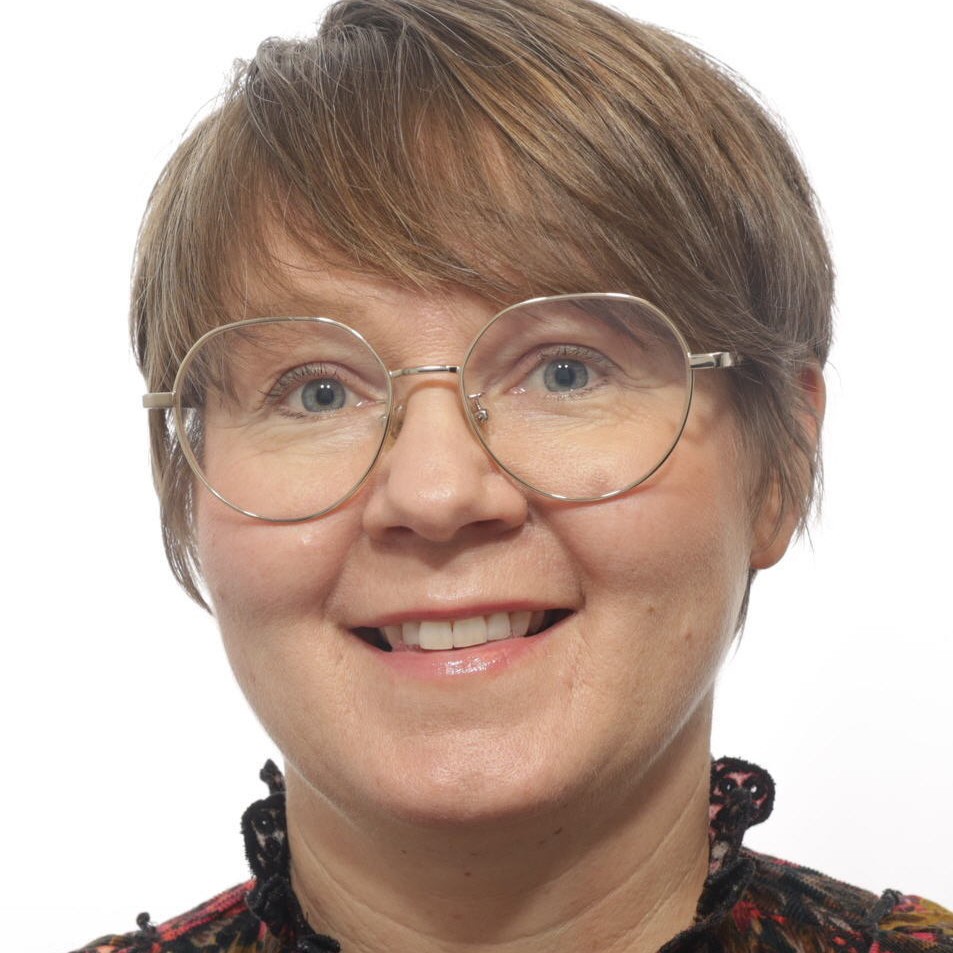
János Imre Heltai Károli Gáspár Református Egyetem / Károli Gáspár University of the Reformed Church
János Imre Heltai (PhD) is Associate Professor in Sociolinguistics at Károli Gáspár University of the Reformed Church in Hungary and leader of the Research Centre for Linguistic Heterogeneity and Social Participation. His current research includes co-editing a linguistic-ethnographic journal entitled Duj Džene – Ketten (‘Two Together’ in Romani and Hungarian). This multi-genre journal is part of the project Enhancing Linguistic Citizenship through Participatory Research and is published by a research group consisting of Roma and non-Roma civil researchers, academic researchers, and students. Heltai publishes in Hungarian, German, and English, with contributions to leading journals such as Applied Linguistics Review, International Journal of Multilingualism, and International Journal of the Sociology of Language. He coordinated the Erasmus+ KA203 Strategic Partnership TRANSLANGEDUROM (2019-2022) and was an editor and major contributor to the resulting volume Translanguaging for Equal Opportunities: Speaking Romani at School (De Gruyter, 2023).
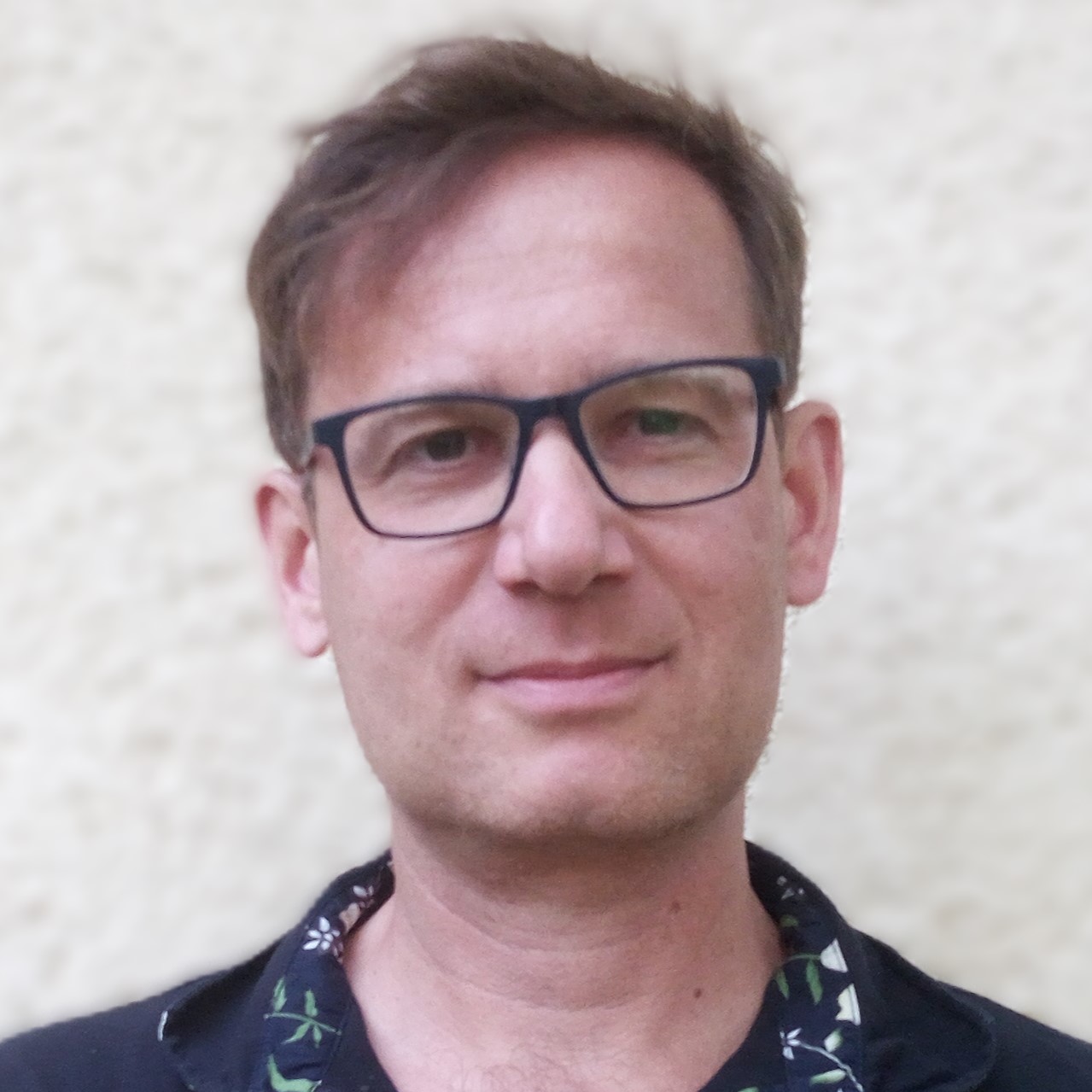
ANNA-Elisabeth Holm Fróðskaparsetur Føroya / The University of the Faroe Islands
Anna-Elisabeth Holm is a researcher and lecturer in language education and sociolinguistics. She holds a background in language studies from the UK and Denmark and has extensive experience as a language teacher. Her primary research interests are in second language acquisition (SLA), multilingual education, and language education for newcomers to the Faroe Islands. She focuses on language in society, language learning at the intersection of capital, identity, and ideology, language learning in the workplace, language and social justice, multilingual pedagogies, multilingualism in peripheral regions, and language policy and practice. Her PhD thesis explored adult migrant language learning, specifically the lived experiences of migrants of non-Nordic origin in acquiring, using, and becoming speakers of Faroese. Her research also examines the challenges faced in learning Faroese and the resulting consequences regarding labour market access and participation.

Sviatlana Karpava Πανεπιστήμιο Κύπρου / University of Cyprus
Sviatlana Karpava is Assistant Professor in Applied Linguistics/ Multilingualism and Coordinator of the MA in TESOL program at the Department of English Studies, University of Cyprus. She is Co-Director of the Discourse, Context and Society Lab and the Testing, Teaching and Translation Lab, Chair of Cyprus Teachers of English Association, active member/research collaborator of the Cyprus Linguistic Society, and Harmonious Bilingualism Network. Dr Karpava is MC member of CLILNetLE COST Action and WG member of the TraFaDy COST Action. She has presented her research at numerous international conferences and published her research work in various peer-reviewed journals. Her area of research is applied linguistics, second/third language acquisition, bilingualism, multilingualism, sociolinguistics, teaching, and education.
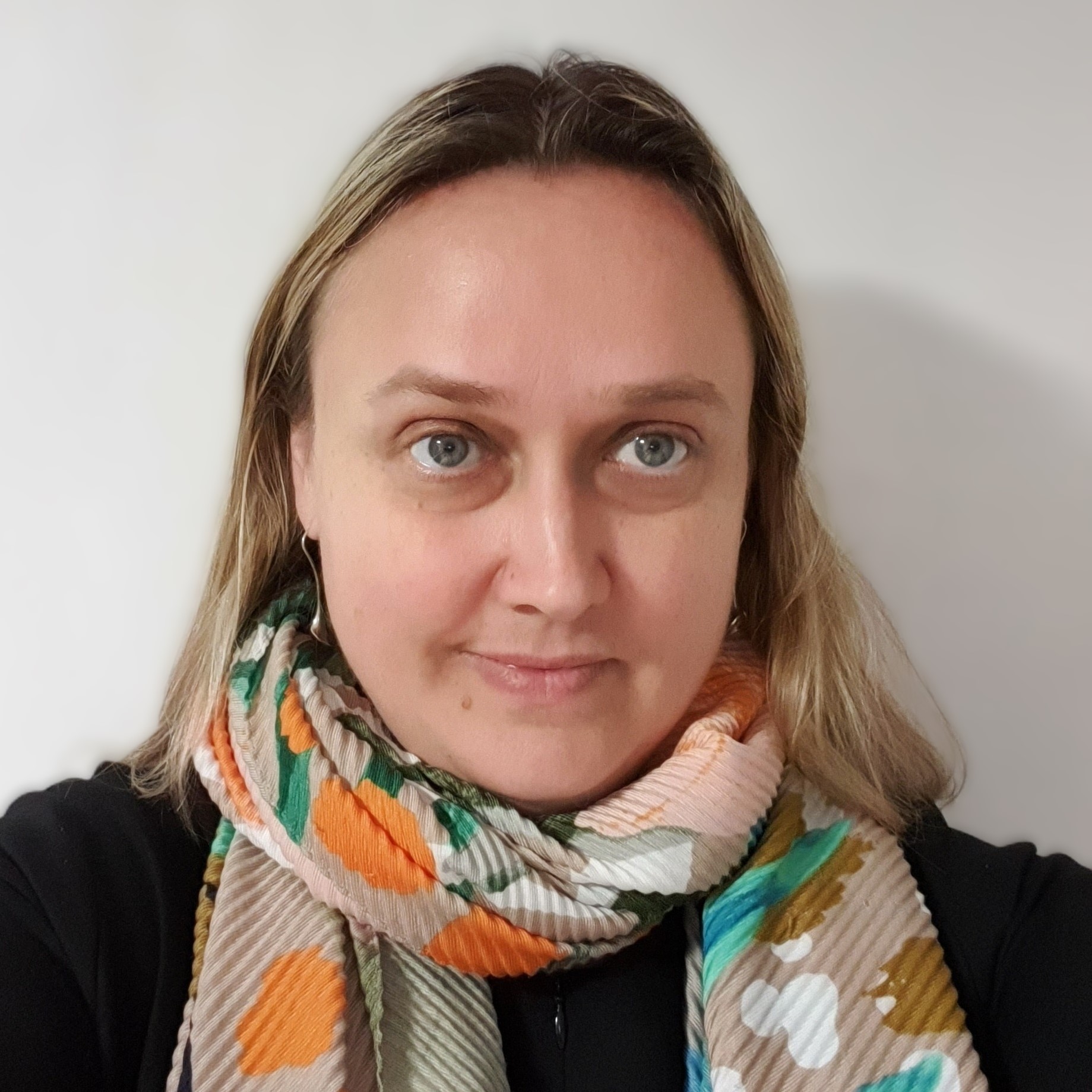
Jarmo Lainio Stockholms universitet / Stockholm University
Jarmo Lainio was Full Professor of Finnish at Stockholm University from 2008 to 2022 and at Mälardalen University, Sweden, from 2003 to 2011. He completed his PhD thesis, Spoken Finnish in Urban Sweden (1989), at Uppsala University. A scholarship at Helsinki University in 1981 greatly improved his Standard Finnish. Between 1990 and 1991, he was a guest researcher at the University of Ottawa, Canada. In the 1990s, he was a project coordinator, researcher, and lecturer at the Department of Finnish and the Centre for Research on Bilingualism at Stockholm University. He became Docent in 1994 at Tampere University, Finland, specialising in Finnish sociolinguistics. His research interests include Sweden Finnish, Meänkieli, sociolinguistics, educational linguistics, and bi/multilingualism. Lainio contributed to the Ministry of Education’s commission report on minority language education in Sweden (SOU 2017:91) and served as the first vice-chair of the Committee of Experts for the monitoring of the European Charter of Regional or Minority Languages.
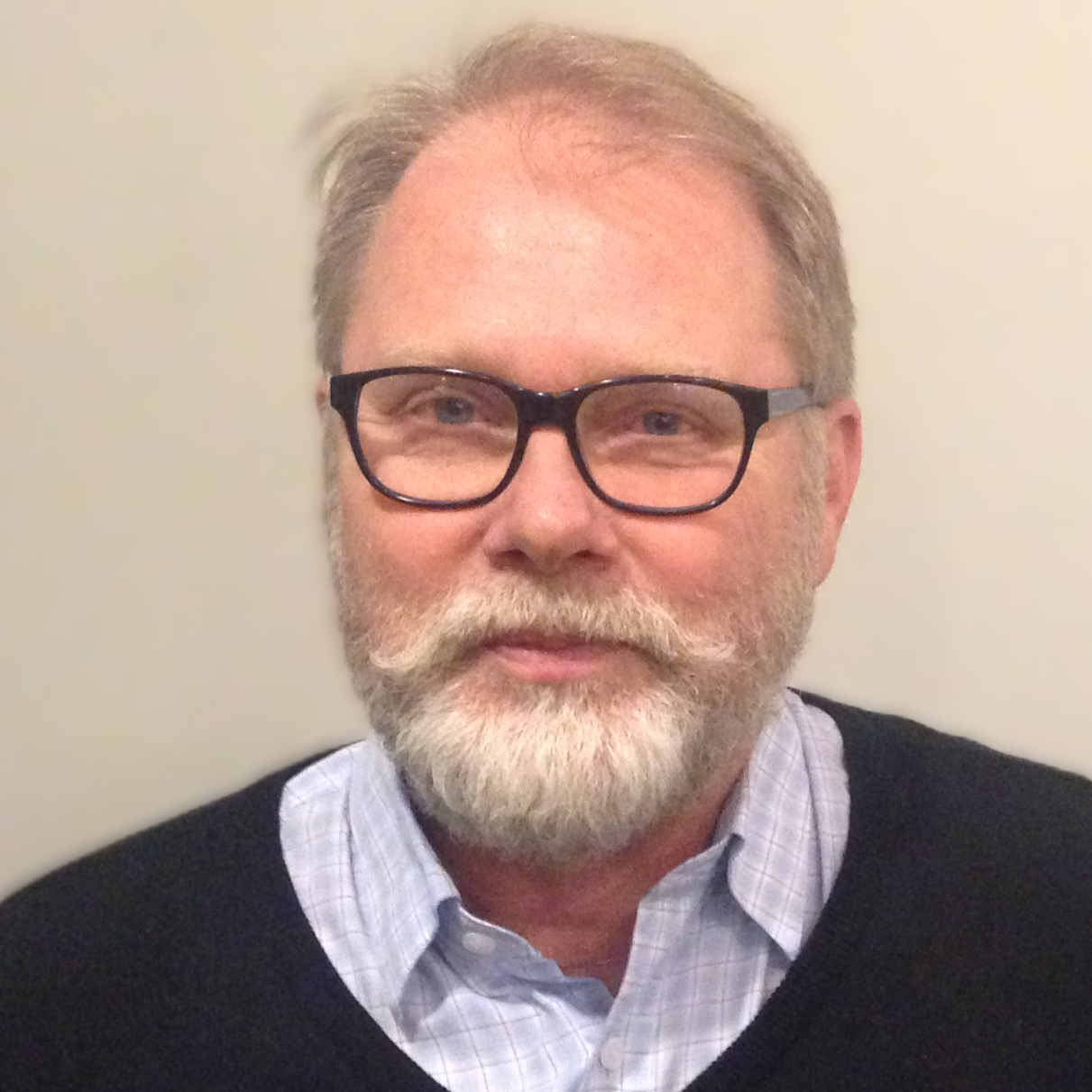
Luisa Martín Rojo Universidad Autónoma de Madrid / Autonomous University of Madrid
Luisa Martín Rojo is a Professor of General Linguistics at the Universidad Autónoma de Madrid (Spain) and Director of the Interdisciplinary Research Center MIRCo-UAM (Multilingualism, Discourse, and Communication). She is the founder and former president of the Iberian Discourse and Society Association (EDISo) and served as a member of the International Pragmatics Association Consultation Board from 2006 to 2011. A pioneer of Critical Discourse Analysis, her research has explored social representations of migrants in the media, political discourse, and everyday interactions, as well as their social consequences. She was appointed a national expert by the European Observatory against Racism and Xenophobia (EU). Her sociolinguistic work addresses multilingualism in relation to social processes like mobility and neoliberalism, and how inequality is constructed through discourse, especially in educational contexts. Dr. Martín Rojo leads several research projects, including Towards a New Linguistic Citizenship: Action-Research for the Recognition of Speakers in the Madrid Educational Context (2019–2024). She is also a member of several editorial boards and the scientific board of the European Science Foundation.
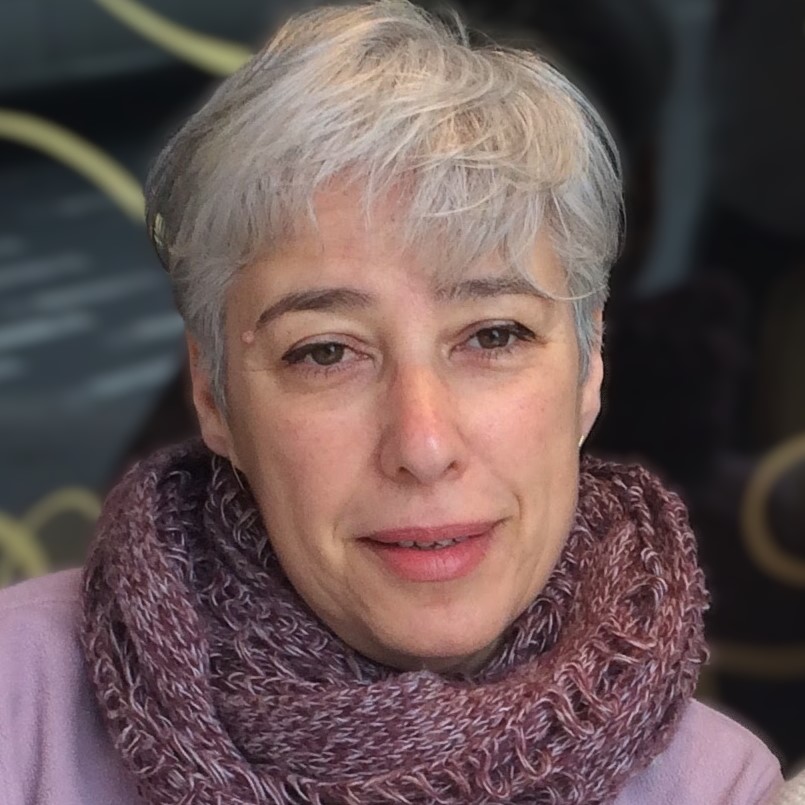
Ulrich Mehlem Goethe-Universität Frankfurt / Goethe University Frankfurt
Ulrich Mehlem is a scholar at Goethe-Universität Frankfurt am Main, where he is engaged in teaching and research in language-related studies. His work is situated within the academic environment of one of Germany’s leading research universities, with interests that intersect higher education, language, and cultural contexts
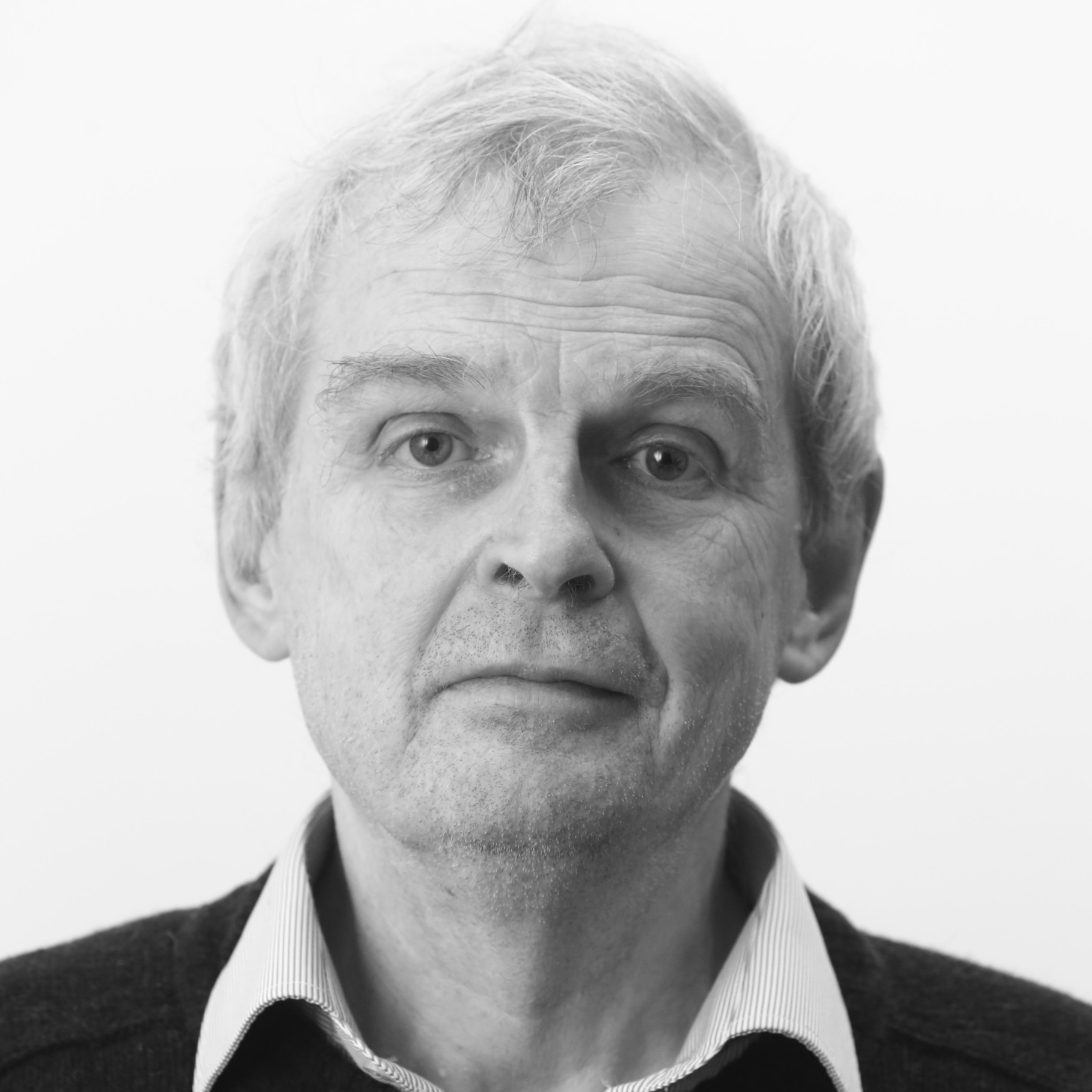
Aleksandra Oszmiańska-Pagett Wyższa Szkoła Języków Obcych / University of Foreign Languages
Aleksandra Oszmiańska-Pagett is an expert in language policy and minority language rights, with over 15 years of experience serving as a member of the Council of Europe Committee of Experts for the European Charter for Regional or Minority Languages, and its current Chair. She has been actively involved in monitoring the Charter’s implementation through visits to various European countries (e.g. UK, Sweden, Denmark, Montenegro, Bosnia-Herzegovina, Slovenia) and advising on domestic legislation and policies related to regional and minority languages. Additionally, she has engaged with countries not yet parties to the convention, including Portugal and Ireland, to foster dialogue between NGOs, local, and central authorities. Her research interests intersect with language rights, identity, culture, and policymaking, particularly focusing on children’s and youth’s needs. She has published extensively on these topics, including Children’s Rights under ECRML (2016). She also co-designed a Toolkit for Classroom Activities on Linguistic Diversity and Language Rights (2019). Oszmiańska-Pagett is a full-time lecturer on European Language Policy and Linguistic Identity at the S.B. Linde College of Modern Languages, Poznań, Poland.
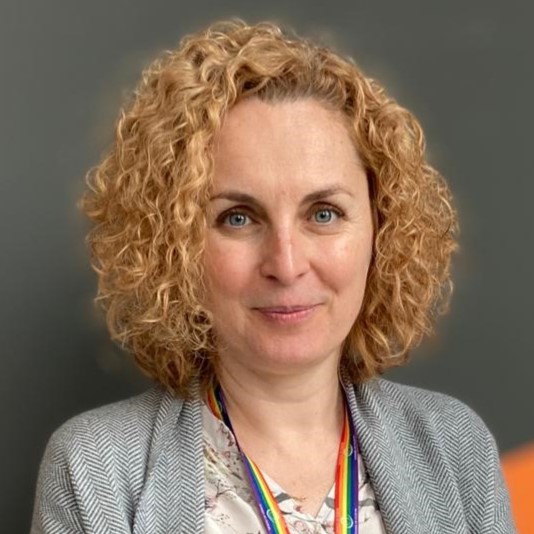
Ljudmila Popović Independent Researcher
Ljudmila Popović graduated from the Slavic Studies Department of Kyiv State University “Taras Shevchenko” and defended her PhD dissertation at the University of Belgrade. She is the founder of the Chair of Ukrainian Studies at the University of Belgrade (1992) and a full professor at the Faculty of Philology, University of Belgrade, and the Faculty of Philosophy, University of Novi Sad. Since 2004, she has also been a professor at the Faculty of Ukrainian Studies at the Ukrainian Free University in Munich. In 2010, she became an Associate Professor at the Slavic-Eurasian Research Center, Hokkaido University, and has been a Hokkaido University Partner since 2018. Her main areas of expertise include grammar (particularly aspectology and syntax), semantics, cognitive linguistics, contrastive linguistics, discourse analysis, ethnolinguistics, and minority languages and cultures. Her academic works include nine monographs and approximately 300 papers. She has mentored 10 PhD dissertations and taught at more than 15 universities worldwide. A member of various international commissions, she has participated in over 90 scientific conferences. She has received numerous awards, including the Radovan Košutić Award (2023) and the Pavle Ivić Award (2005), and was honoured with the “Princess Olga” Order (2008) for her work in Ukrainian studies. She is also a Doctor Honoris Causa of Donetsk National University “Vasyl’ Stus” in Ukraine.
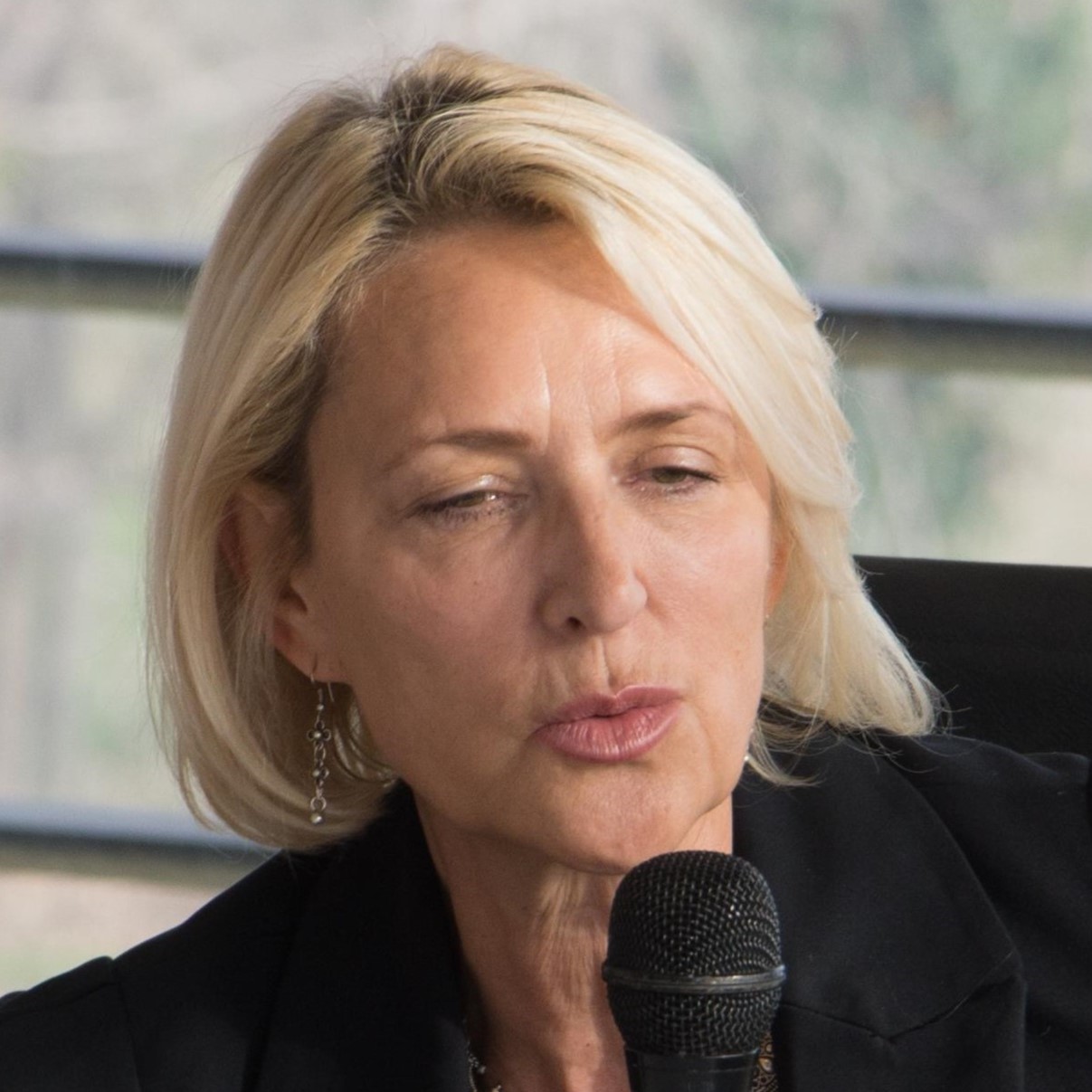
David J. Smith Oilthigh Ghlaschu / University of Glasgow
David J. Smith is Professor and Alec Nove Chair at the School of Social and Political Sciences, University of Glasgow, where he also serves as editor of the journal Europe-Asia Studies. He has published extensively on issues related to minority languages and cultures, including the monograph Ethnic Diversity and the Nation State (Routledge, 2012), and has led two large research projects on the politics of minority cultural autonomy in Central and Eastern Europe. His most recent volume, co-edited with Ivan Dodovski and Flavia Ghencea, is Realising Linguistic, Cultural and Educational Rights Through Non-Territorial Autonomy (Palgrave Macmillan, 2023). In 2022, Smith was elected for a four-year term to the Advisory Committee on the Council of Europe Framework Convention for the Protection of National Minorities, as the Member in respect of the UK. Since May 2024, he has served as Second Vice-President of the Committee and contributed to its updated First Thematic Commentary on Education (2024). Smith has been at the University of Glasgow since 2002, where he has held various leadership roles. He was a visiting professor at Uppsala University, Sweden, from 2012–2014, and is a docent at the University of Turku, Finland. He earned his PhD in Contemporary History and International Relations from the University of Bradford in 1997.

Dalibor Sokolović Универзитет у Београду / University of Belgrade
Dalibor Sokolović completed his undergraduate studies at the Department of Slavic Studies, Faculty of Philology, University of Belgrade. His doctoral thesis focused on Slavic minority languages, specifically the Slovak language in Serbia and Sorbian in Germany, analysed from the perspective of language ecology. He is currently a professor at the Faculty of Philology in Belgrade, where he teaches various subjects in Slavic Studies. His main research interests include West Slavic languages and Slavic languages in minority positions, examined through the lenses of language policy and planning, educational language policies, as well as the methodology and practice of foreign language teaching. Recently, he was a member of the research team on the project Vulnerable Languages and Linguistic Varieties in Serbia, supported by the Science Fund of the Republic of Serbia. Dalibor has also worked as a teacher of Slavic languages in Łódź, Poland, and served as a translator and interpreter for Serbian and Polish in various public institutions. He is the academic chair representing the University of Belgrade in the Multilingualism, Interculturality, and Language Lab within the Circle U. university alliance.
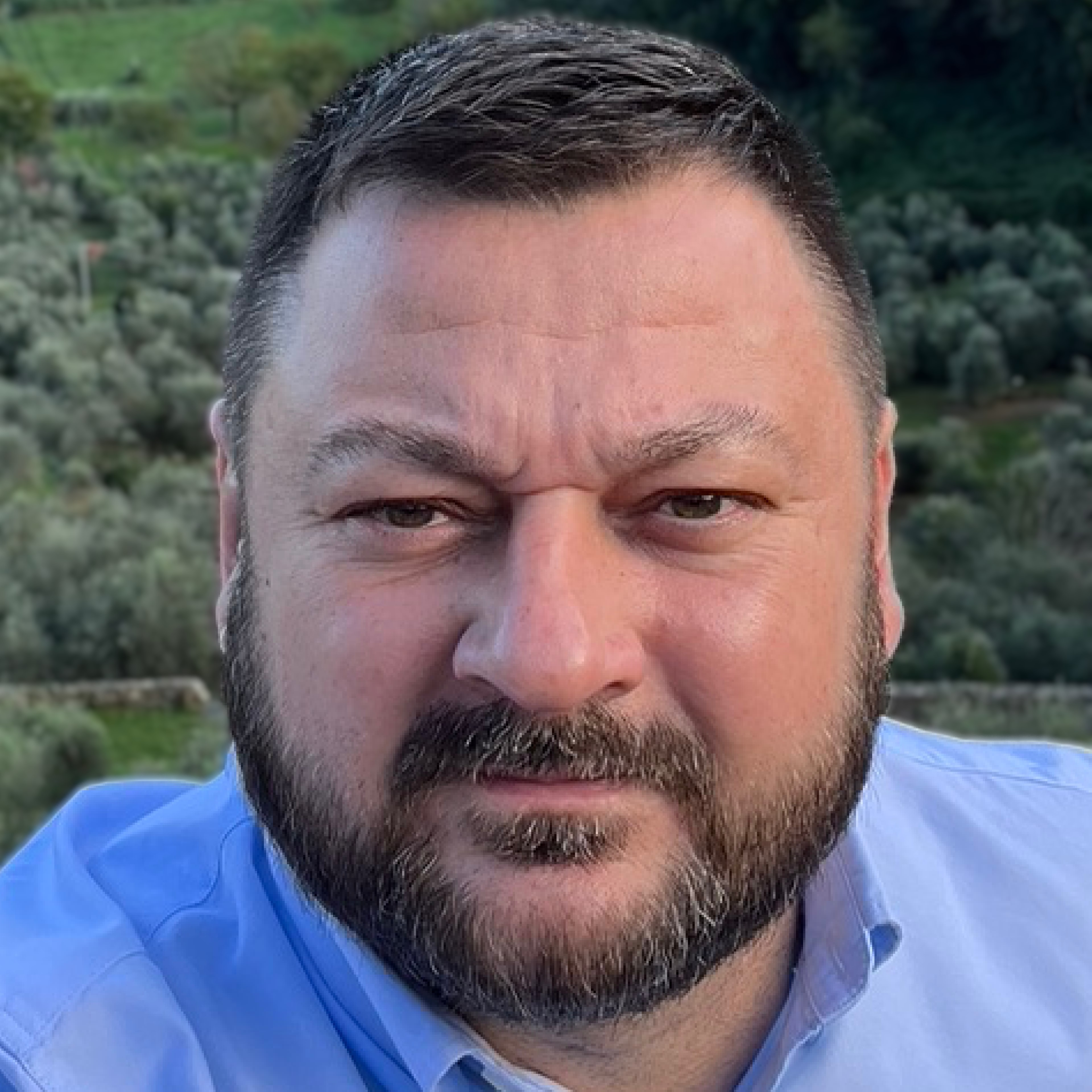
Agnieszka Stępkowska Uniwersytet Warszawski / University of Warsaw
Agnieszka Stępkowska is a lecturer at the School of English at the University of Social Sciences in Warsaw, Poland. She received her PhD from Adam Mickiewicz University in Poznań in 2004. Her research focuses on translation studies, multilingualism, and the sociology of language, with particular attention to language contact and borrowing. She is the author of a monograph on English loanwords in Polish naval vocabulary and has published widely on a range of topics within linguistics and language studies.
Jaime A. Usma Wilches Universidad de Antioquia / University of Antioquia
Jaime A. Usma Wilches is a teacher educator and researcher at the School of Languages, where he is a member of the Evaluation and Action Research Group in Foreign Languages (GIAE), and currently serves as an Assistant Professor at the University of Antioquia in Medellín, Colombia. He completed his PhD in Curriculum and Instruction, with a specialisation in World Language Education, at the University of Wisconsin–Madison, and holds a Bachelor’s degree in Foreign Languages from the University of Antioquia, specialising in language education policy studies. Jaime Usma integrates his research, publications, and teaching on foreign language education and policymaking with active participation in policy and professional development initiatives at both school and university levels.
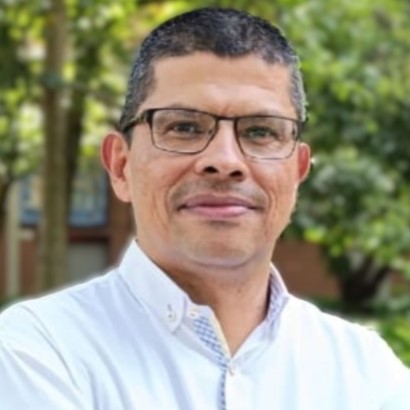
Manka Varghese University of Washington
Manka Varghese is a Professor in Language, Literacy, and Culture at the University of Washington’s College of Education. Her research, teaching, and mentoring revolve around developing anti-oppressive frameworks and pedagogies in language teacher education, especially for teachers of multilingual students, which integrate teacher and student intersectional subjectivities and identities, theoretically and practically. Varghese has published widely on examining these intersections in journals such as Educational Researcher, Teachers College Record, and TESOL Quarterly as well as chapters in edited books and has co-edited a number of edited books. Having worked on several projects with this emphasis, she is currently engaged with two research projects working with multilingual teachers and expanding their pedagogical practices around the intersections of language, race, and disability.
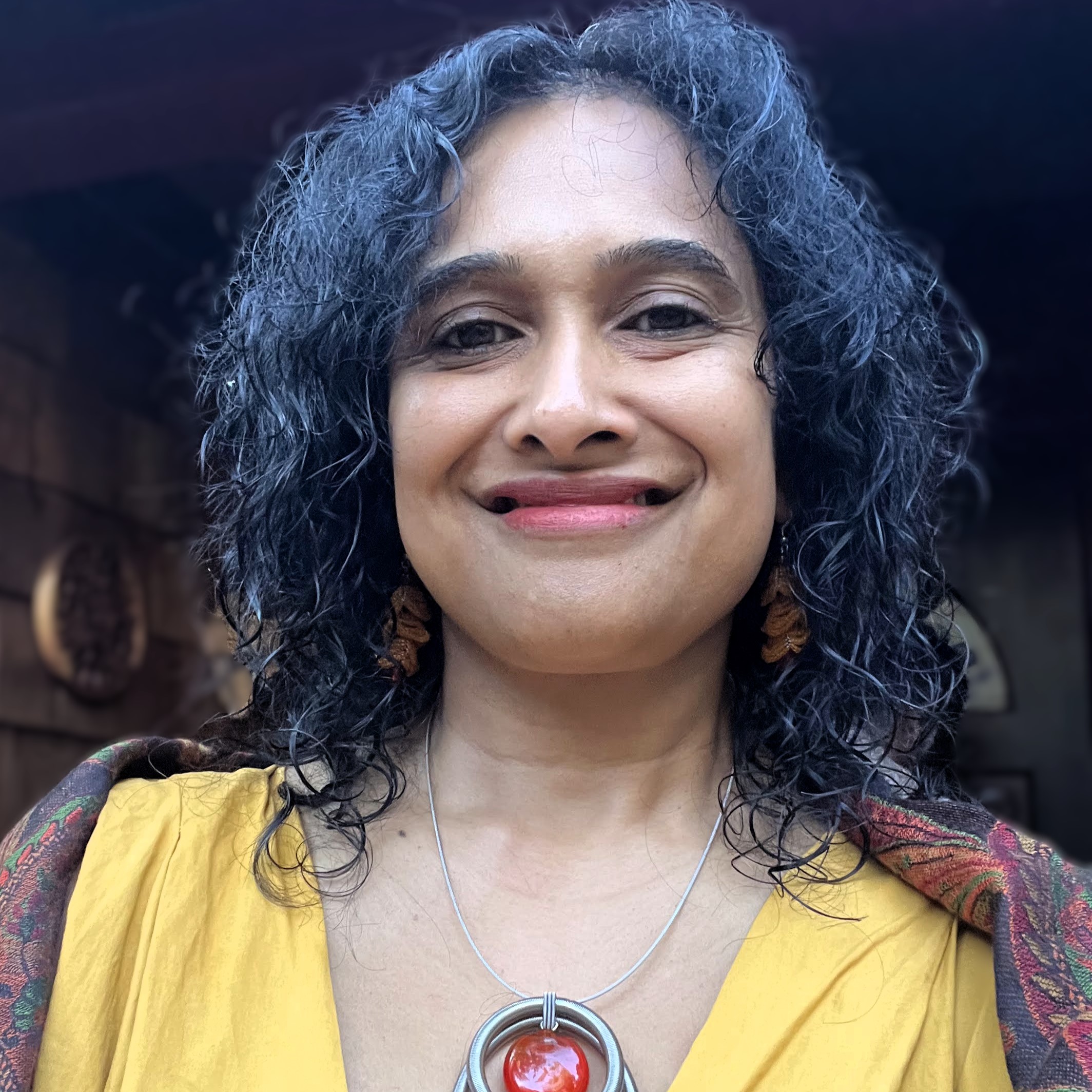
Anastassia Zabrodskaja Tallinna Ülikool / Tallinn University
Anastassia Zabrodskaja is Professor of Intercultural Communication and Head of the Communication Management Master’s programme at Tallinn University Baltic Film, Media and Arts School (Tallinn, Estonia). She is also the Executive Director of the European Masters in Intercultural Communication programme. Her primary research interests include identity, language contacts, and linguistic landscapes. She teaches courses focused on intercultural communication and serves as the Regional Representative for Europe on the Executive Committee of the International Association of Language and Social Psychology (IALSP), where she is also the President Elect. Professor Zabrodskaja is the chair of the International and Intercultural Communication section of the European Communication Research and Education Association (ECREA). Her research has explored the development of the Estonian linguistic environment, bilingual speech, and aspects of ethnolinguistic vitality. She has examined intergenerational language transmission processes in ethnolinguistically diverse and monolingual families in Estonia, alongside the acculturation experience of international students. Her work is grounded in qualitative methods in sociolinguistics and intercultural communication.

 MultiLX