MultiLX brings together researchers and professional staff from partner
institutions across Europe.
University of Warwick
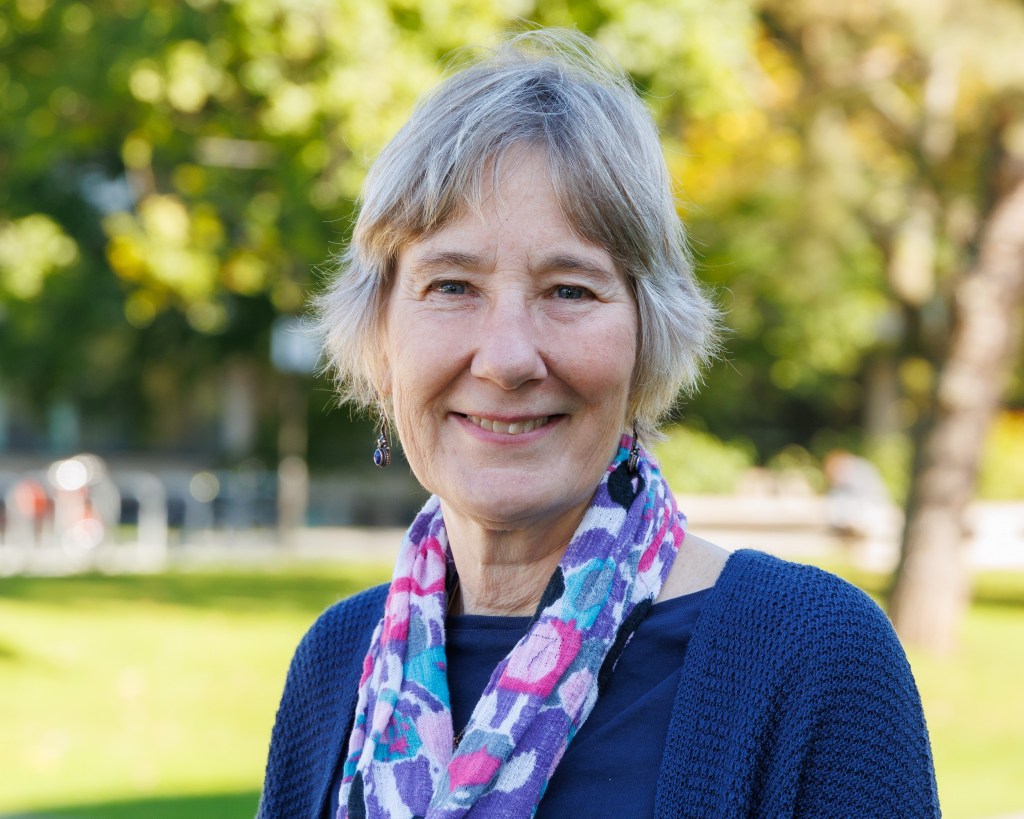
Coordinator and Principal Investigator
Angela Creese
University of Warwick
Angela Creese is an experienced researcher committed to reflecting on
the processes, possibilities, and challenges of co-producing knowledge
in team research.
Read full biography
She has published widely in journals and books about multilingualism
and interaction in linguistically and socially diverse everyday
encounters. She has led multiple large research grants, attracting
funding from Horizon Europe, AHRC, and ESRC.
Angela is the recipient of several international awards and
fellowships, including the Helen C. Bailey Award (Alumni) for
Outstanding Contribution to Educational Linguistics from the
University of Pennsylvania, and a Distinguished Visiting Fellowship
at the Advanced Research Collaborative, City University of New York.
In 2024, she was highly commended in the
Times Higher Education Awards for Outstanding Research
Supervisor of the Year.
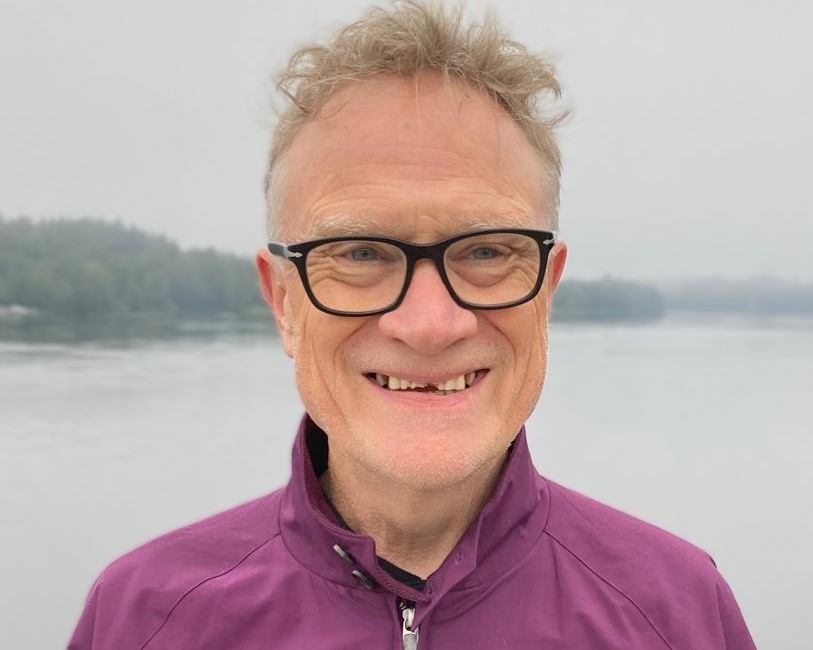
Co-Investigator
Adrian Blackledge
University of Warwick
Adrian Blackledge is Professor of Applied Linguistics. He conducts
ethnographic research on language in society, linguistic diversity,
and translanguaging.
Read full biography
He is developing creative approaches to articulating research
outcomes. He is the author or editor of 14 books, including
Essays in Linguistic Ethnography: Ethics, Aesthetics,
Encounters (2023), with Angela Creese.
He is a Fellow of the Academy of Social Sciences, a Distinguished
Visiting Fellow at the Advanced Research Collaborative, City
University of New York, and a former Poet Laureate for Birmingham.
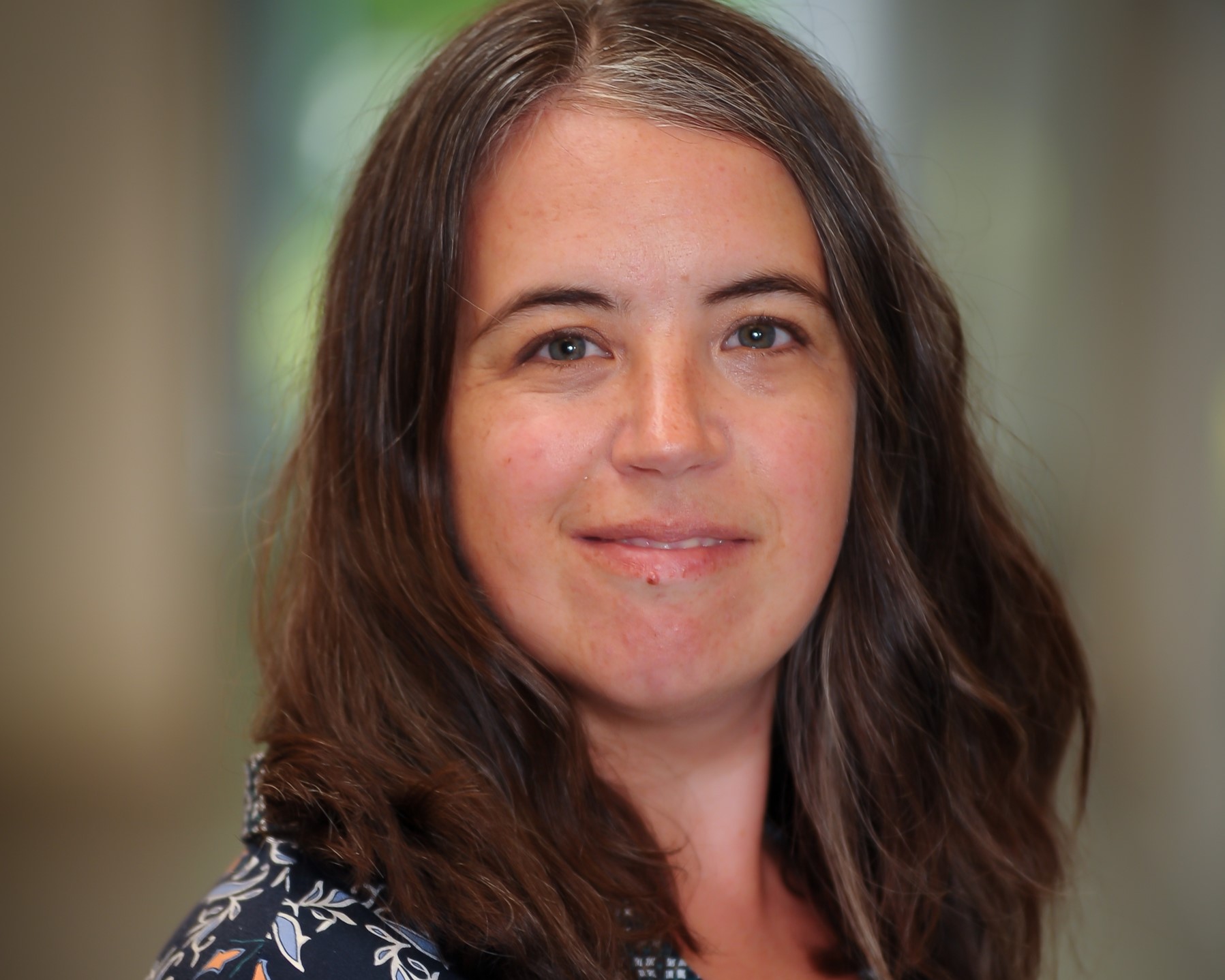
Researcher
Jai Mackenzie
University of Warwick
Jai Mackenzie is an experienced researcher and educator specialising
in innovative approaches to investigating digitally mediated
communication.
Read full biography
Her research focuses on how gendered and familial roles,
relationships, and practices are reproduced and mediated in a range
of contexts.
Her publications include Language, Gender and Parenthood
Online (2019) and Connected Parenting (2023). She is a
Fellow of the Higher Education Academy, a former British Academy
Postdoctoral Fellow, and a member of the editorial board of
Discourse, Context & Media.
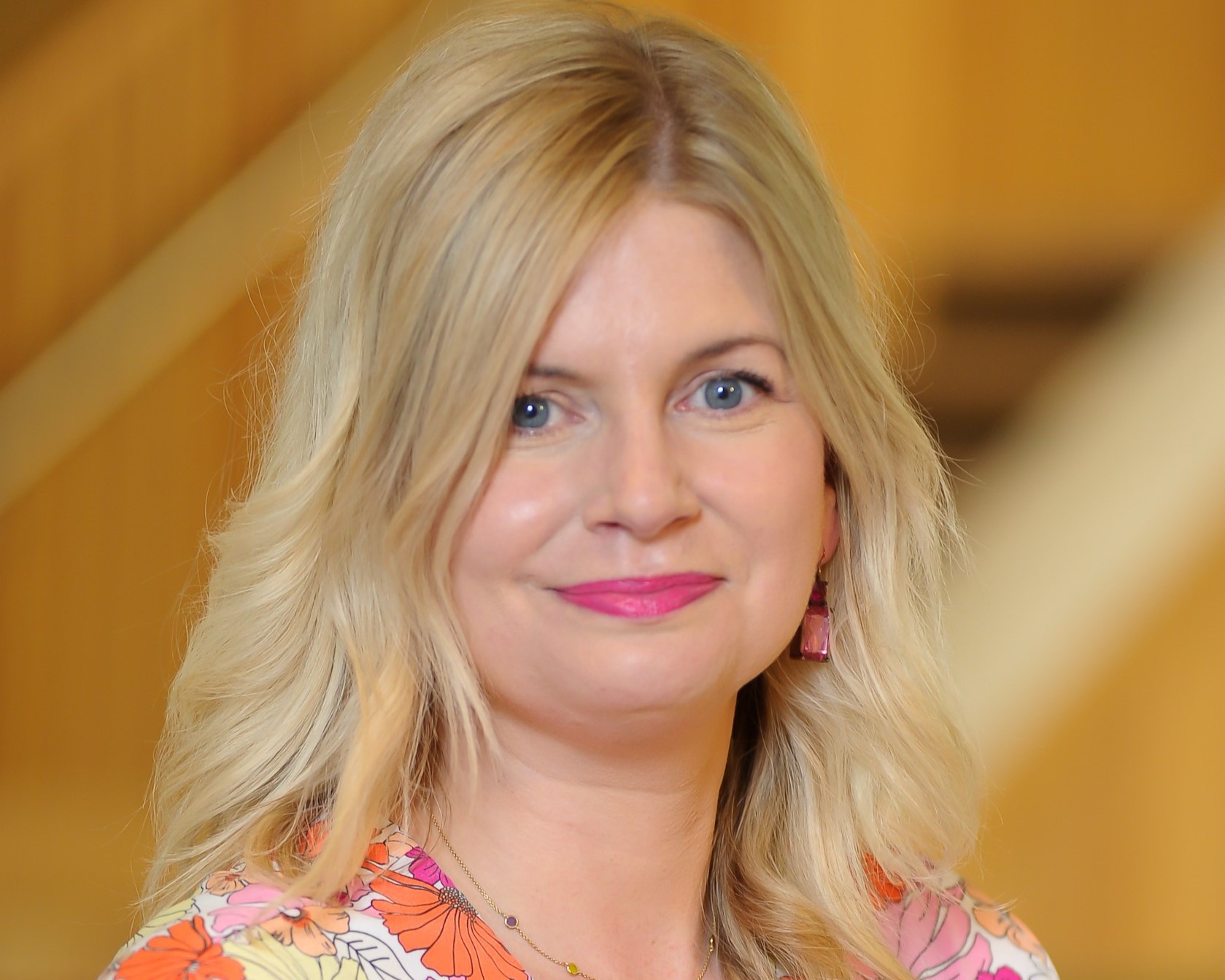
Creative Methods Coordinator
Rachel Turner-King
University of Warwick
Rachel Turner-King supports the core research team by designing and
facilitating arts-based workshops that foster interdisciplinary
dialogue and build trust among researchers.
Read full biography
Her workshops create innovative spaces for sharing and
co-constructing knowledge, connecting academic inquiry with
embodied, arts-based practices.
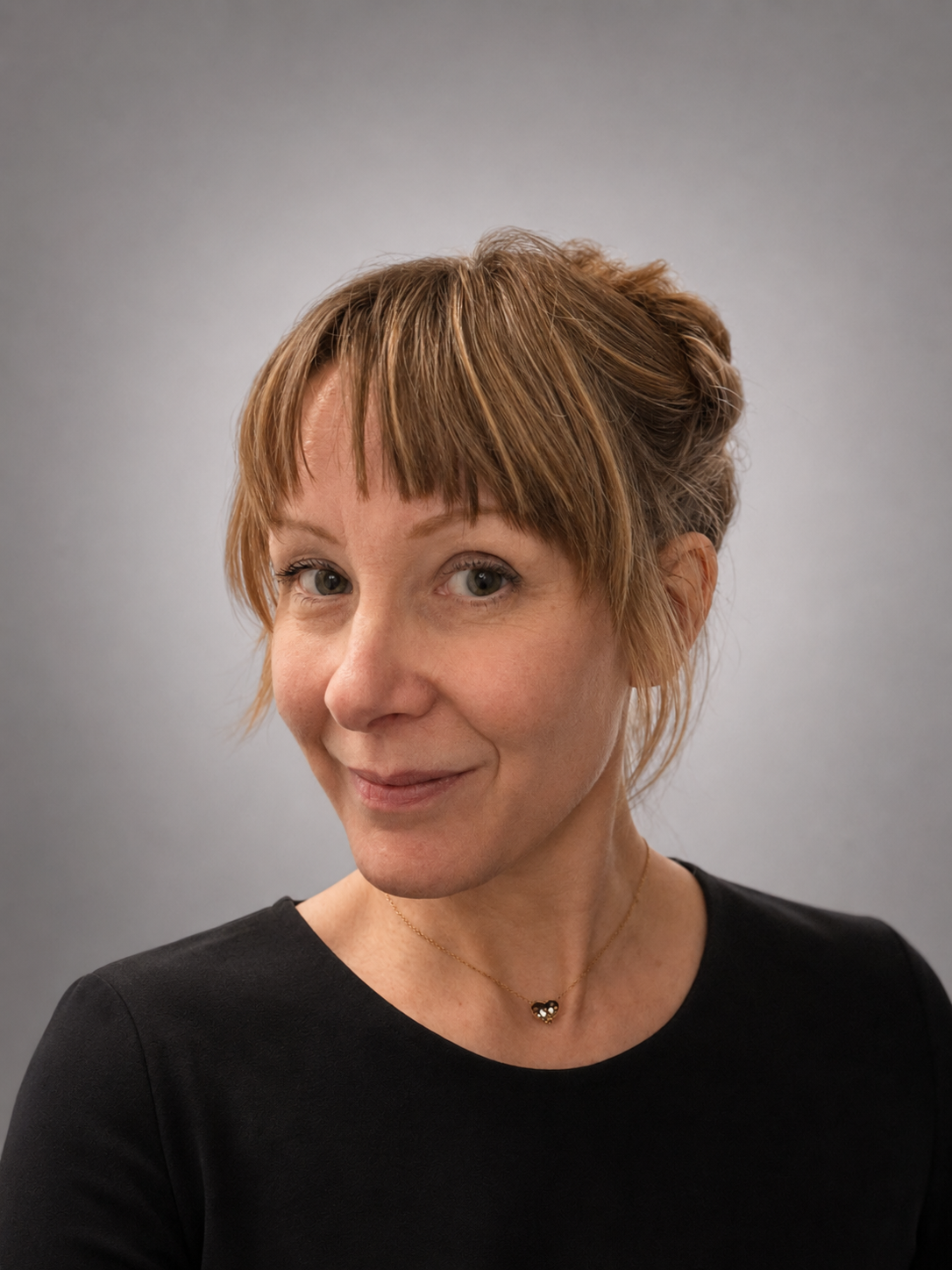
Project Coordinator
Cecilia Paulsson
University of Warwick
Cecilia Paulsson oversees the coordination of MultiLX, specialising
in project management, stakeholder engagement, research
administration, and communications.
Read full biography
With a background in journalism and over 20 years’ experience
spanning higher education, research, and broadcast media, she has
supported initiatives across education, technology, AI, climate
change, and policy.
Cecilia has contributed to work at the University of Oxford,
University College London, Imperial College London, Bocconi
University, and the University of Toronto. She has a particular
interest in communication strategies and research websites.
ELTE Eötvös Loránd Tudományegyetem / ELTE Eötvös Loránd University
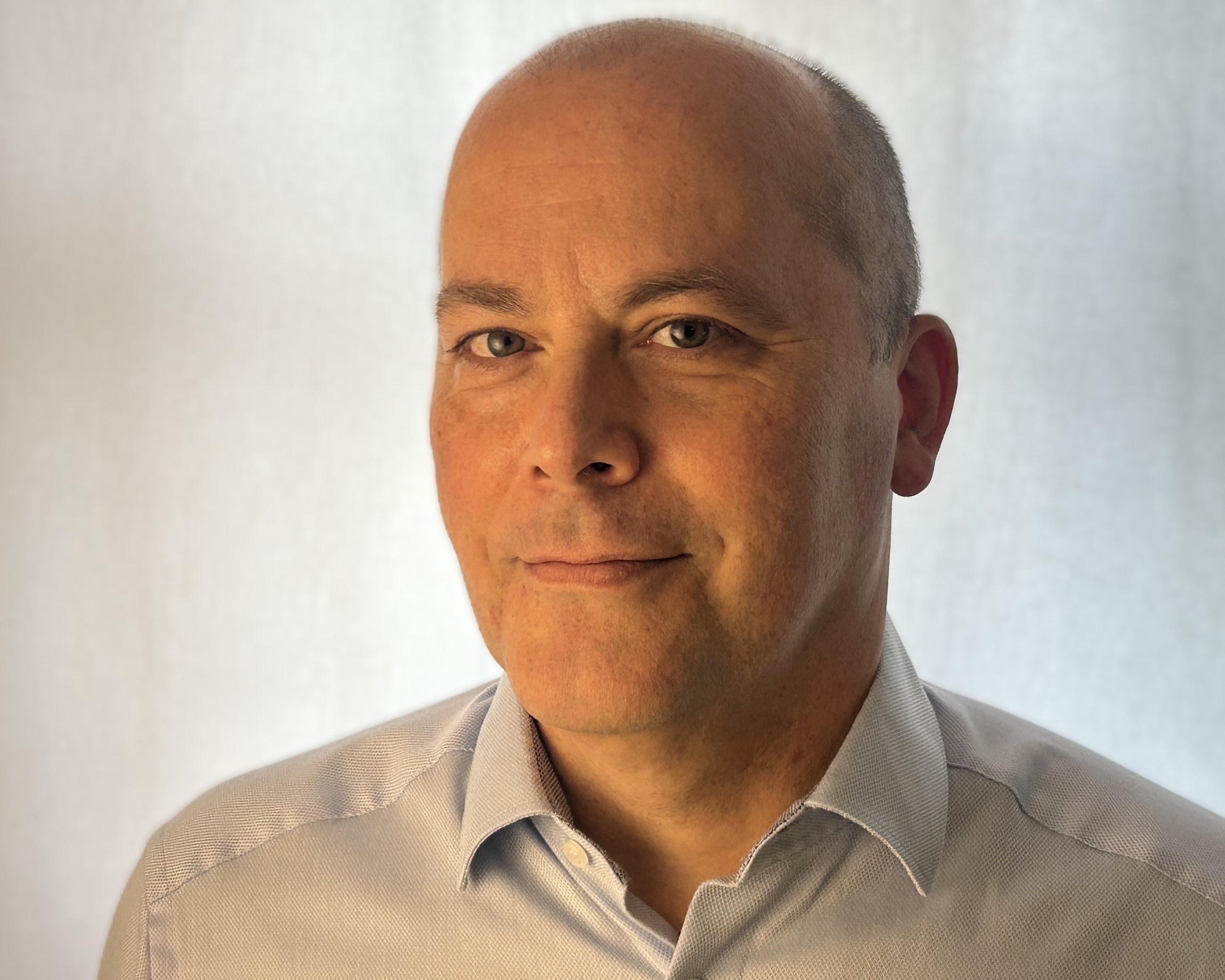
Co-Investigator
Csanád Bodó
ELTE Eötvös Loránd Tudományegyetem / ELTE Eötvös Loránd University
Csanád Bodó is Associate Professor at Eötvös Loránd University (ELTE) and Head of the MTA (Hungarian Academy of Sciences)–ELTE Collaborative Writing Research Group.
Read full biography
Csanád Bodó is Associate Professor at Eötvös Loránd University (ELTE) and Head of the MTA (Hungarian Academy of Sciences)–ELTE Collaborative Writing Research Group. Grounded in critical sociolinguistics and linguistic ethnography, his work focuses on the participatory research of multilingual contexts through innovative and creative modalities, such as memes and a language-centred tabletop game. He was the convenor of the AILA ReN (Research Network) on Participatory Linguistics.
Through his work on Hungarian minorities in Romania and Austria, he has shown how different types of social actors mobilise their languages in non-routine settings and link their agency to processes of involvement in and engagement to knowledge circulation, and of social cohesion in the context of sociolinguistic (in)justice.
He is an expert in collaborative writing, initiating and leading an educational linguistics project in which pairs of secondary school students from different socio-cultural backgrounds write narratives together.
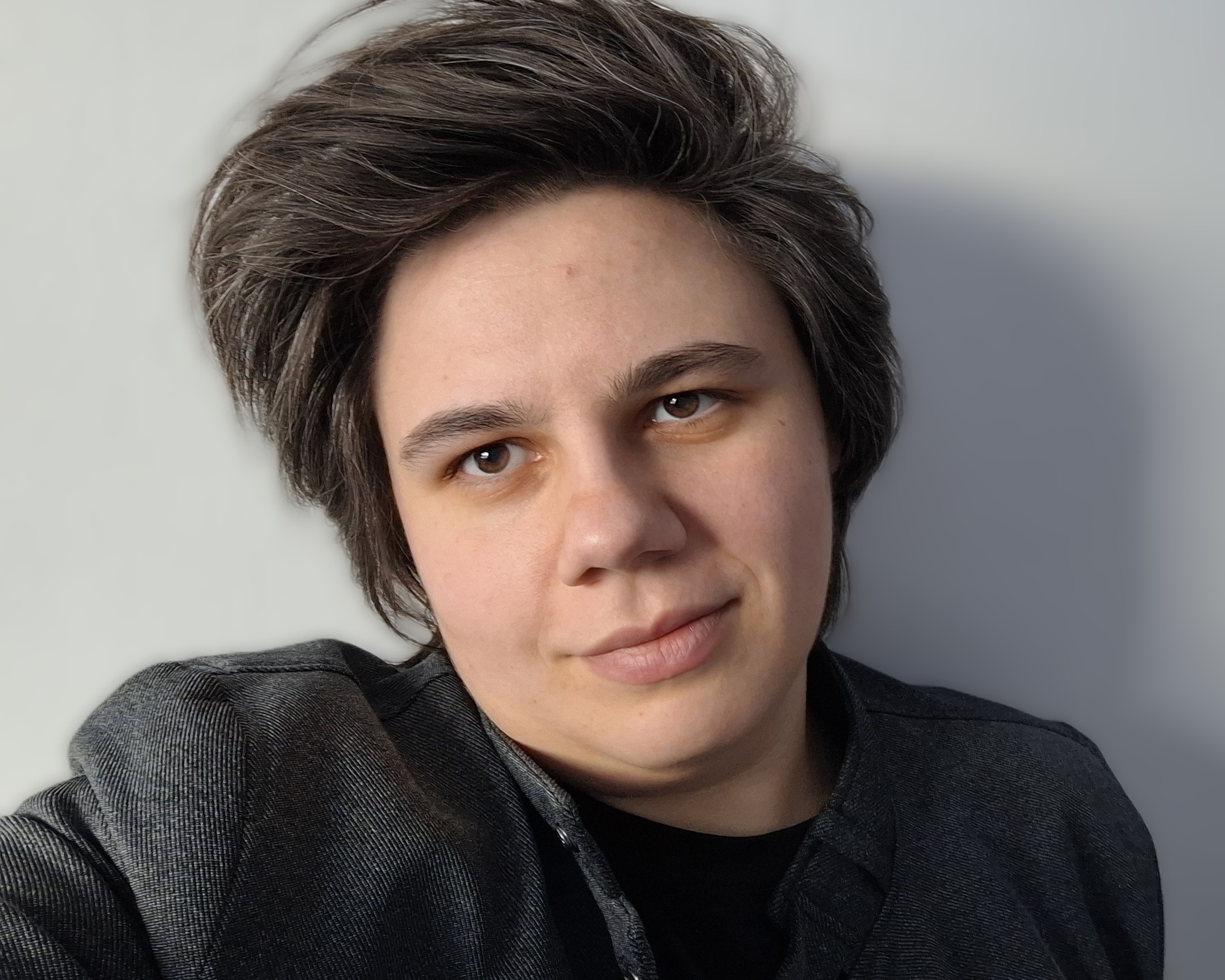
Researcher
Blanka Barabás
ELTE Eötvös Loránd Tudományegyetem / ELTE Eötvös Loránd University
Blanka Barabás holds a PhD in linguistics. In her doctoral dissertation, she explored the linguistic, semiotic, and affective aspects of nationalism in the encounters between majority and minoritised Hungarians.
Read full biography
Blanka Barabás holds a PhD in linguistics. In her doctoral dissertation, she explored the linguistic, semiotic, and affective aspects of nationalism in the encounters between majority and minoritised Hungarians. For this project, she conducted her ethnographic fieldwork at a festival organised in Romania for minority Hungarians.
Currently, she is a Teaching Assistant at the Department of Applied Linguistics at the Sapientia Hungarian University of Transylvania, where she has been involved in several projects focusing on digital storytelling, such as investigating Hungarian university students’ experiences of language-based othering through DST.
Her primary research interests focus on the discursive connections between language, power, gender, nation, and affect.
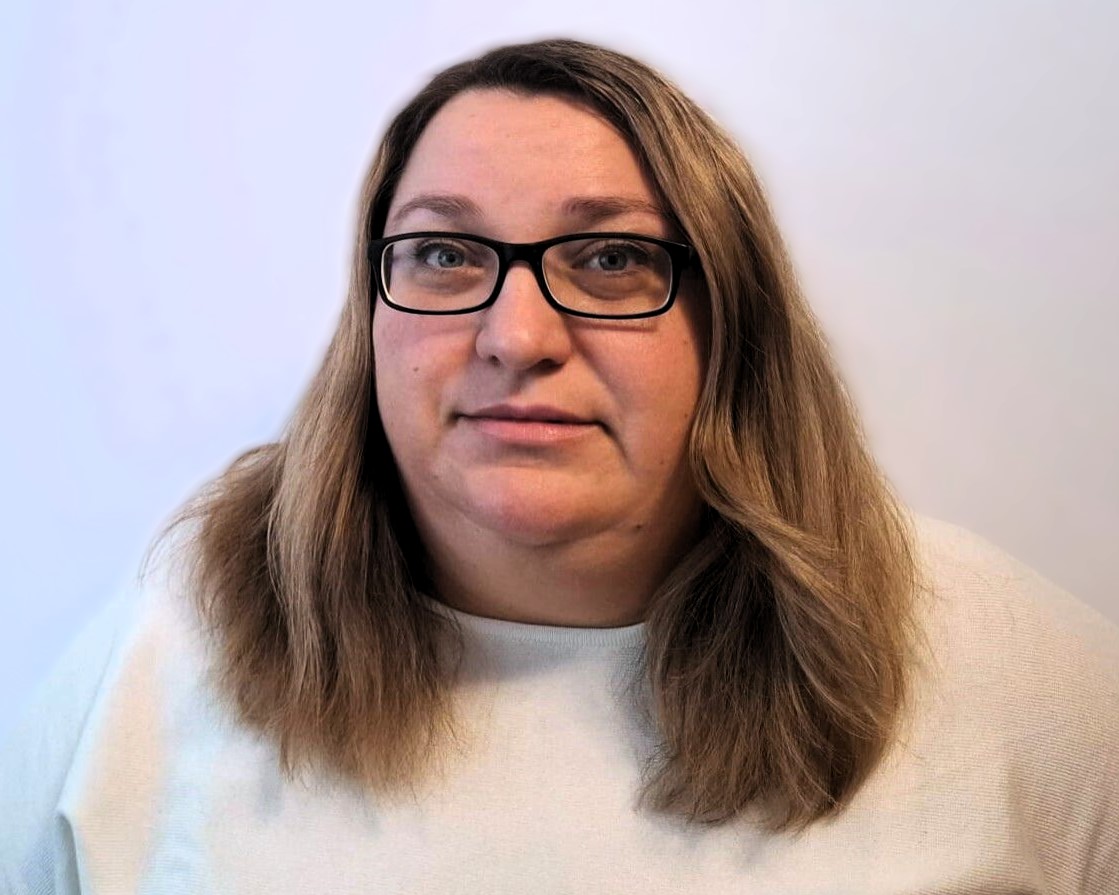
Researcher
Noémi Fazakas
ELTE Eötvös Loránd Tudományegyetem / ELTE Eötvös Loránd University
Noémi Fazakas works as an associate professor at the Sapientia Hungarian University of Transylvania, the Faculty of Technical and Human Sciences in Târgu Mureș.
Read full biography
Noémi Fazakas works as an associate professor at the Sapientia Hungarian University of Transylvania, the Faculty of Technical and Human Sciences in Târgu Mureș. She has done extensive research on the theoretical and practical aspects of language revitalisation and has led and participated in several research projects on the language ideologies and attitudes of Hungarians living in Romania, with a special focus on young people (university students).
She was part of a 4-year participatory linguistic ethnographic study carried out in Moldavia (Romania), where the research team applied (among other innovative approaches) digital storytelling in exploring the life worlds of Moldavian Hungarian participants.
Universitat Oberta de Catalunya / Open University of Catalonia
Co-Investigator
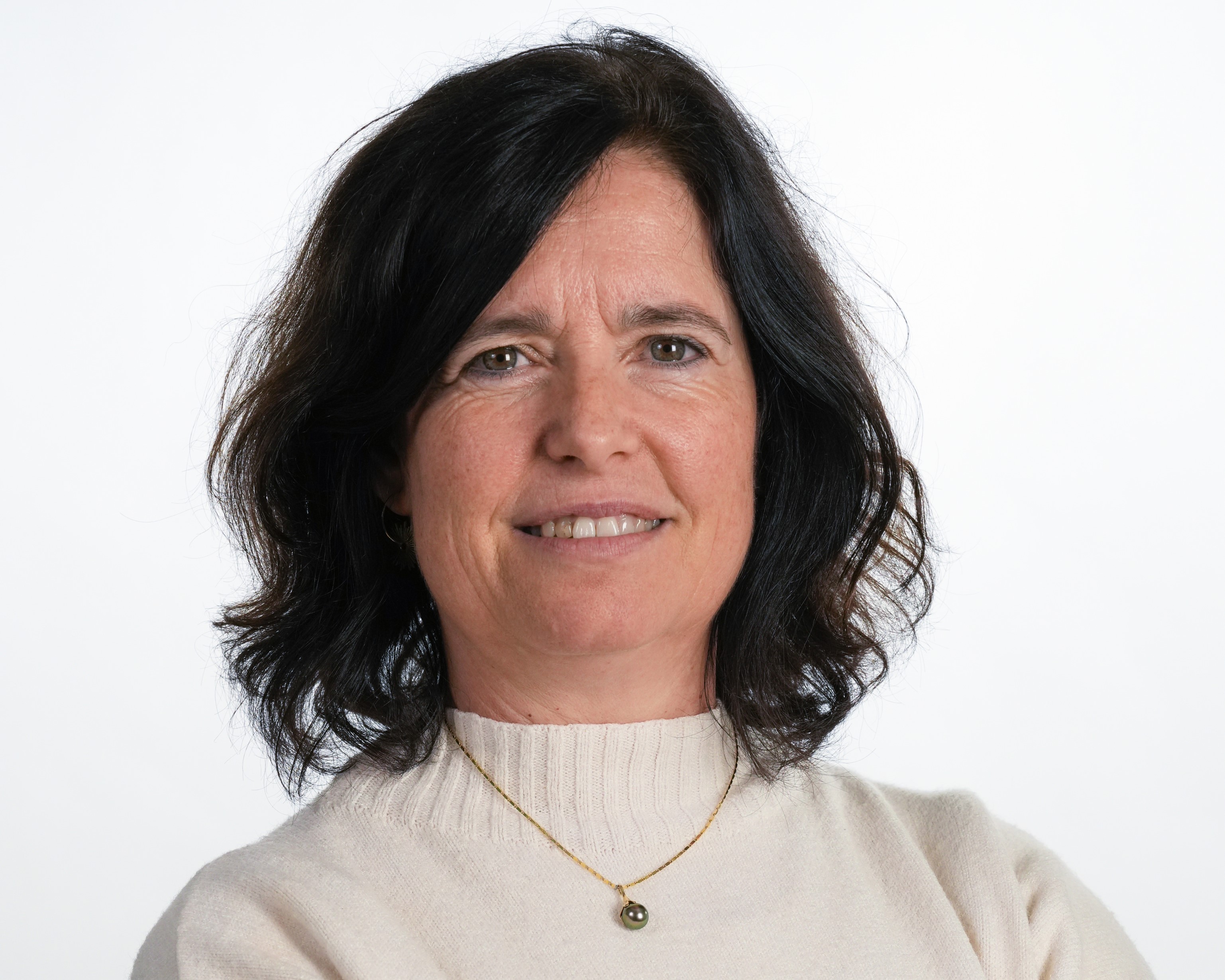
Maite Puigdevall Serralvo
Universitat Oberta de Catalunya / Open University of Catalonia
Maite Puigdevall Serralvo (Banyoles, Catalonia, 1972) graduated in Philosophy and Letters (Catalan Philology) from the University of Girona (UdG), Catalonia, in 1995.
Read full biography
Maite Puigdevall Serralvo (Banyoles, Catalonia, 1972) graduated in Philosophy and Letters (Catalan Philology) from the University of Girona (UdG), Catalonia, in 1995. She completed a Master in Welsh Ethnological Studies at Cardiff University (Wales) in 1997 and earned her PhD in Philosophy from Cardiff University in 2006.
She is a senior lecturer in the Department of Arts and Humanities at the Open University of Catalonia in Barcelona. Her research interests focus on critical sociolinguistics, language planning, and language policy in minority language contexts in Europe, particularly language and identity, language and youth, language and migration, and new speakers of minority languages.
Puigdevall has published extensively on these topics. Key works include Neohablantes de lenguas minoritarias en el Estado español (co-edited with Fernando Ramallo and Estibaliz Amorrortu, 2019) and the article with Joan Pujolar, Linguistic “Mudes”. How to Become a New Speaker in Catalonia (2015).
She co-directs the Identi.cat research group, with Alba Colombo, at UOC.
Co-Investigator
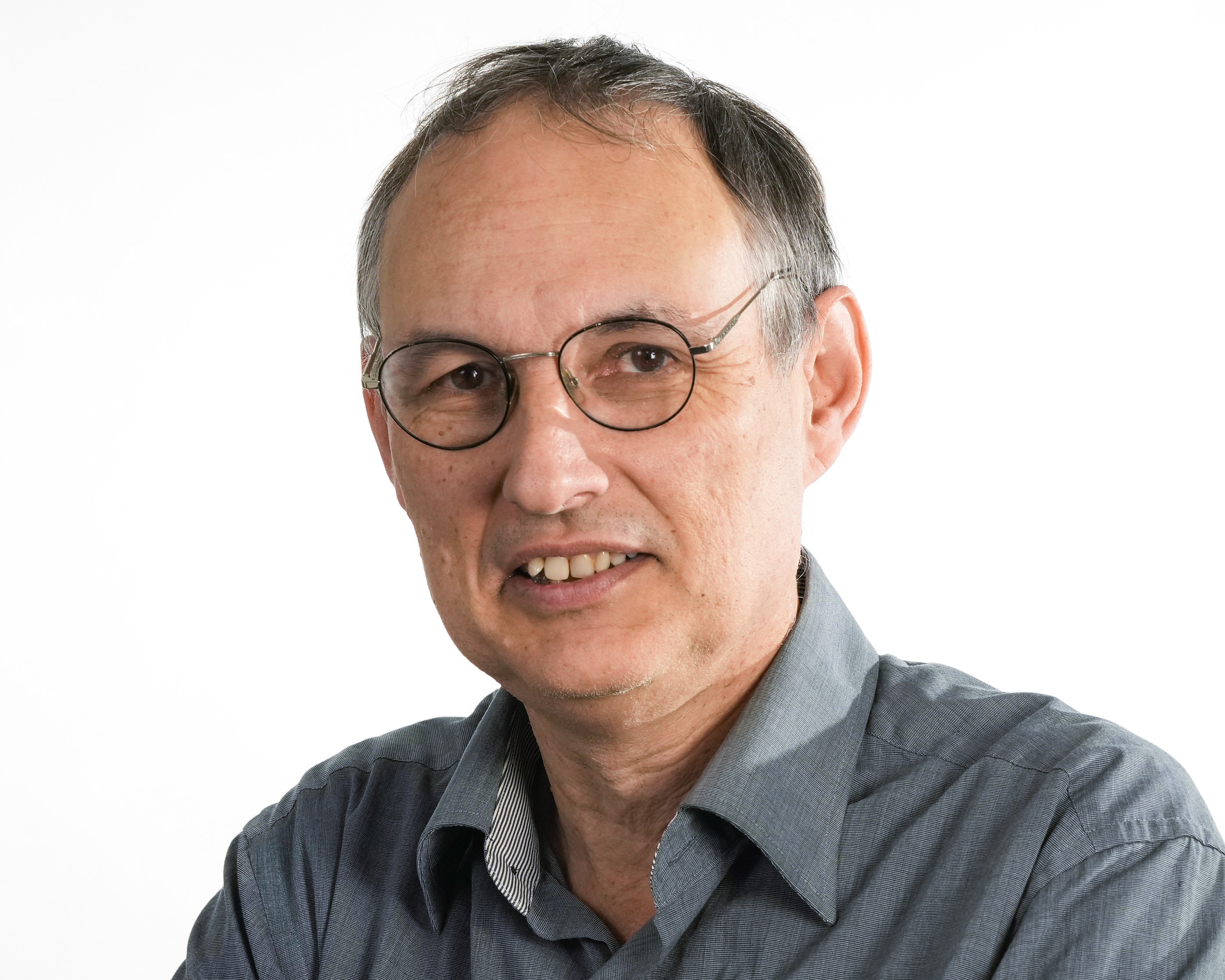
Joan Pujolar Cos
Universitat Oberta de Catalunya / Open University of Catalonia
Joan Pujolar i Cos (Olot, 1964) is a Catalan sociolinguist. He graduated in Anglo-Germanic Philology (1987) and Catalan Philology (1988) from the Autonomous University of Barcelona (UAB), later earning a Master’s in Language Studies (1991) and a PhD in Linguistics (1995) from Lancaster University, UK.
Read full biography
Joan Pujolar i Cos (Olot, 1964) is a Catalan sociolinguist. He graduated in Anglo-Germanic Philology (1987) and Catalan Philology (1988) from the Autonomous University of Barcelona (UAB), later earning a Master’s in Language Studies (1991) and a PhD in Linguistics (1995) from Lancaster University, UK.
He is currently a full professor of Sociolinguistics at the Open University of Catalonia (UOC). His research focuses on critical sociolinguistics, linguistic identities, and the power dynamics associated with minority languages, particularly Catalan.
Pujolar has published extensively on these topics, with notable works such as Gender, Heteroglossia and Power: A Sociolinguistics of Youth Culture (Mouton, 2001) and the article with Isaac González, Linguistic ‘Mudes’ and the De-Ethnicization of Language Choice in Catalonia (IJBEB, 2012).
He also served as director of the doctoral program in Humanities and Communication at UOC and president of the Catalan Society of Sociolinguistics (2013-2019).
Researcher
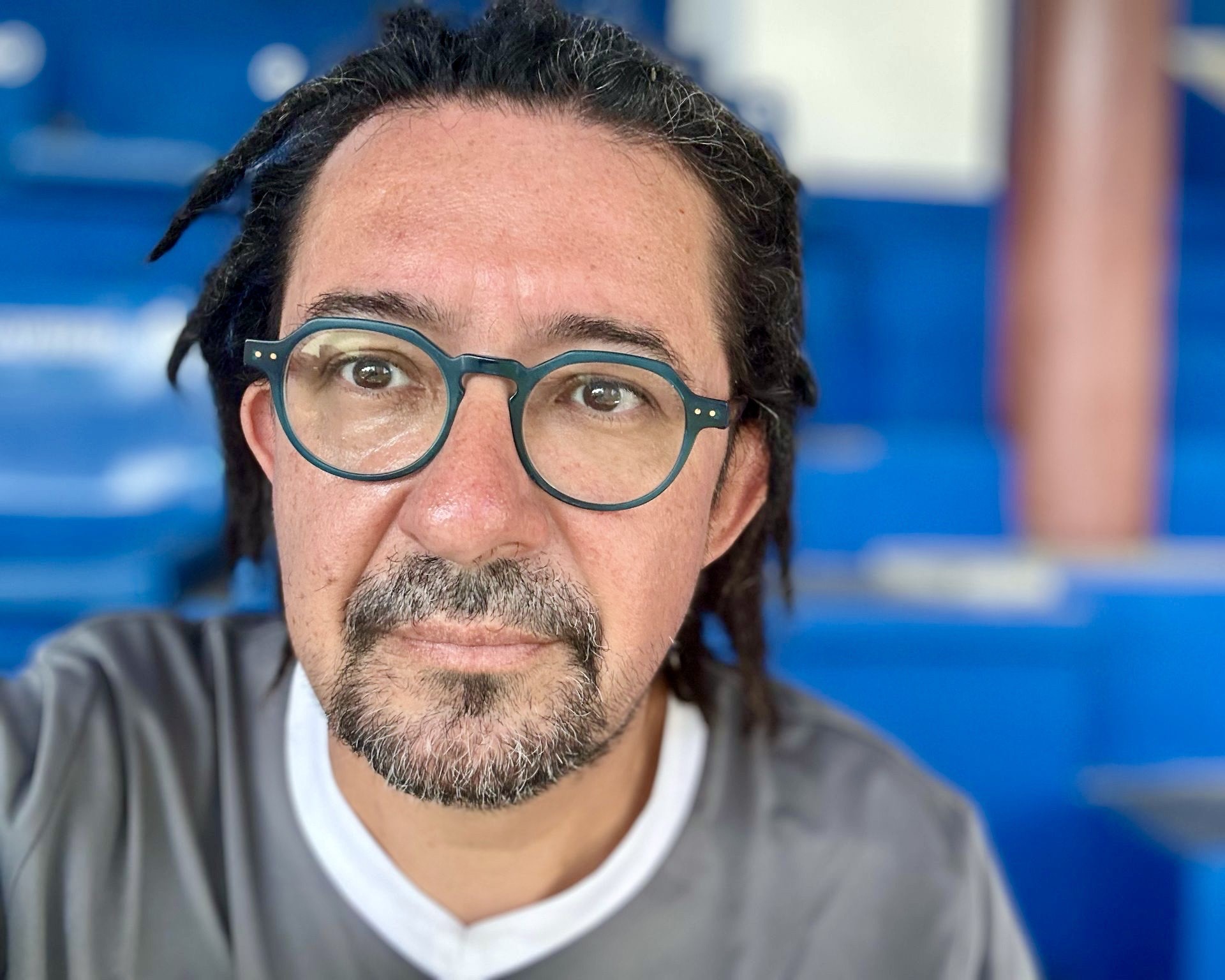
Víctor Manuel Corona Villavicencio
Universitat Oberta de Catalunya / Open University of Catalonia
Víctor Manuel Corona Villavicencio is a Mexican researcher and educator based in Barcelona, specialising in linguistic anthropology. He holds a PhD in Language and Literature Teaching from the Universitat Autònoma de Barcelona (UAB).
Read full biography
Víctor Manuel Corona Villavicencio is a Mexican researcher and educator based in Barcelona, specialising in linguistic anthropology. He holds a PhD in Language and Literature Teaching from the Universitat Autònoma de Barcelona (UAB). His research focuses on language variation, migration, and racialization, particularly within Latin American communities in Europe.
Victor has taught and conducted research in France (Lyon and Paris), Spain (Catalonia), the United States, and Mexico. His work explores the intersection of language, identity, and power, analysing how social prestige and stigma influence linguistic practices. His methodology is rooted in ethnographic research, combining participant observation, interviews, and discourse analysis to understand linguistic practices in their social context. He has participated in projects on second language acquisition, linguistic discrimination, and hip-hop studies.
He is currently conducting ethnographic research on the Dominican community in Cayenne, French Guiana, while continuing academic collaborations across different countries.
Albert-Ludwigs-Universität Freiburg / University of Freiburg
Co-Investigator
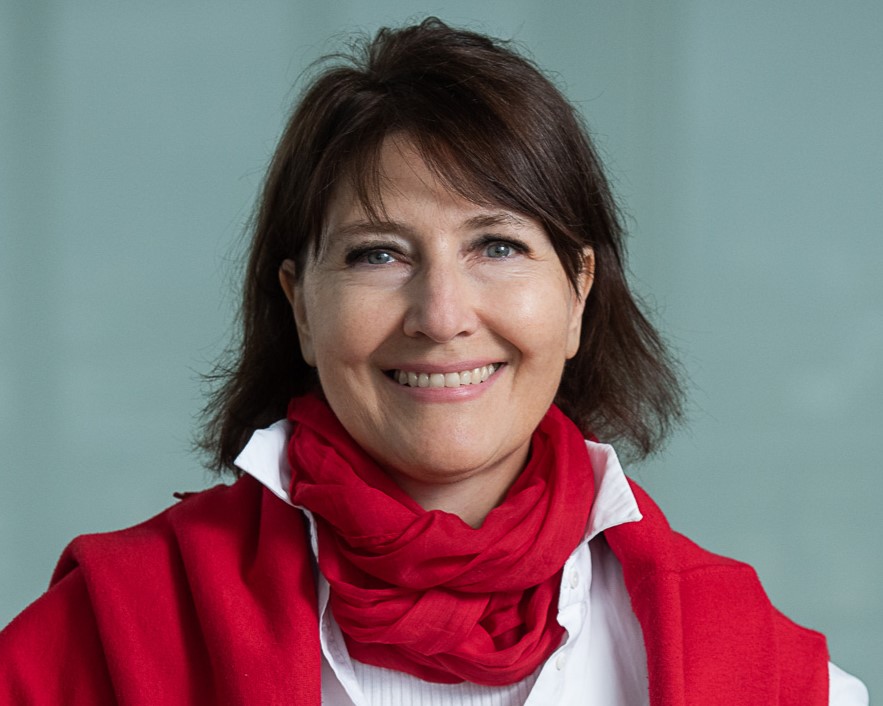
Katharina Brizić
Albert-Ludwigs-Universität Freiburg / University of Freiburg
Katharina Brizić is a musician, sociolinguist, and professor of multilingualism studies at the University of Freiburg, Germany. She has led research projects funded by STIFTUNG MERCATOR and the Austrian Research Funds FWF.
Read full biography
Katharina Brizić is a musician, sociolinguist, and professor of multilingualism studies at the University of Freiburg, Germany. She has led research projects funded by STIFTUNG MERCATOR and the Austrian Research Funds FWF. Katharina is the author and editor of ten books, and has written numerous journal articles on multilingualism, education, (forced) migration, language and power, language and trauma, social inequality, social cohesion, and justice, with a particular focus on past and present migrations and forced displacements.
Her study Multilingual Cities Vienna was the first home language survey in a Central-Eastern European capital, covering all primary schools. Since 2018, she has advised the German Humanitarian Programme for Particularly Vulnerable Refugees from Northern Iraq.
She has received multiple research awards in Germany, Italy, Austria, and the U.S., including two Young Academics Awards for her dissertation The Secret Life of Languages and a Mercator Fellowship for distinguished researchers in fields of public interest.
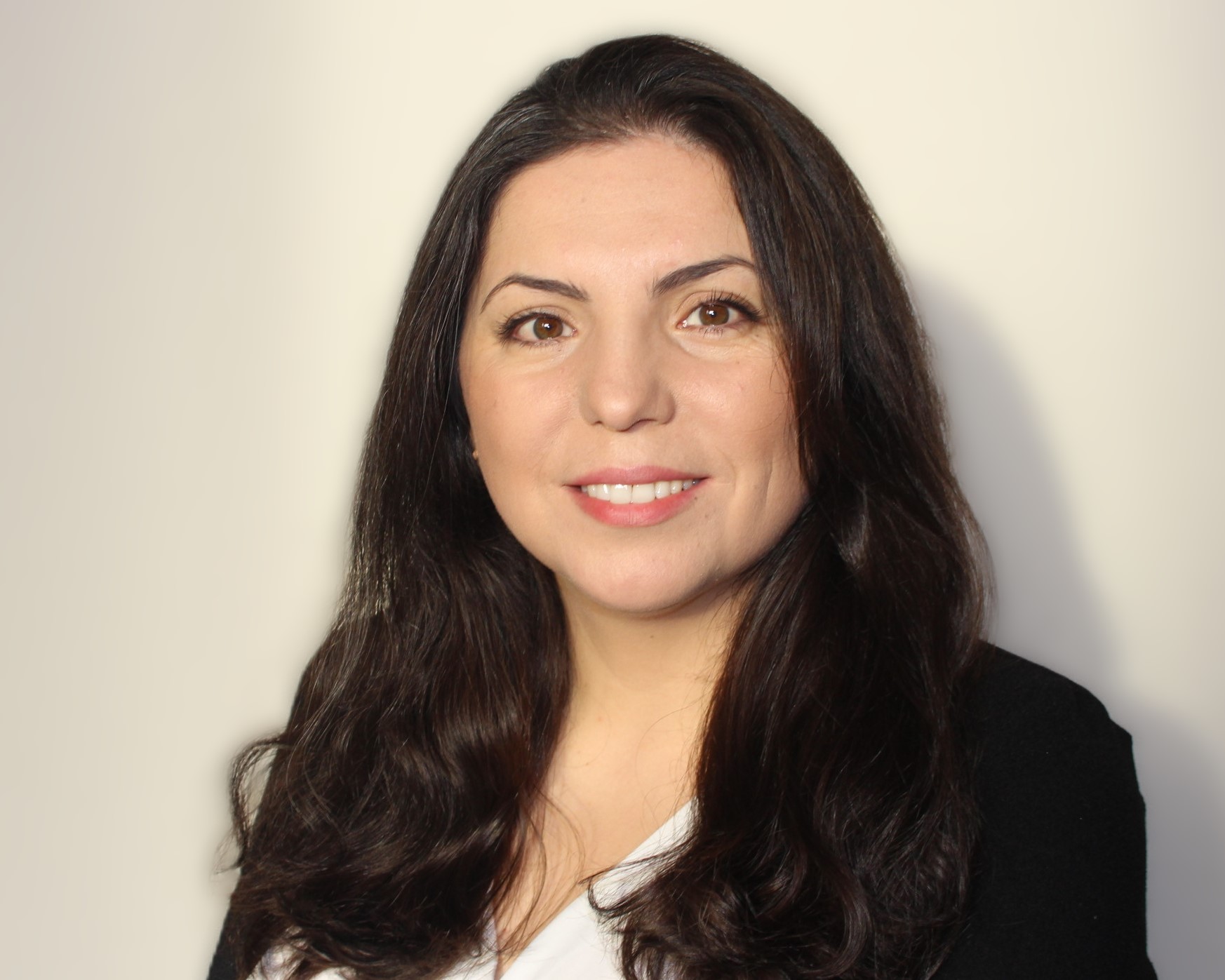
Researcher
Özgül Bendes
Albert-Ludwigs-Universität Freiburg / University of Freiburg
Özgül Bendes holds a Master’s degree in Social Pedagogy and has continuously expanded her professional and personal competencies through various roles in education, leadership, and project development.
Read full biography
Özgül Bendes holds a Master’s degree in Social Pedagogy and has continuously expanded her professional and personal competencies through various roles in education, leadership, and project development. Her journey has been shaped by a deep commitment to multilingualism, diversity, and social equity. She has actively translated her values into practice through the development of bilingual educational structures, the establishment and coordination of multilingual institutions, the design of inclusive educational concepts, and the strategic development of community-based structures. These experiences have equipped her with a profound understanding of intercultural dynamics, pedagogical innovation, and organisational transformation.
Navigating complex, multilingual environments, mediating between stakeholders, and fostering sustainable, diversity-oriented change will be among her core project activities.
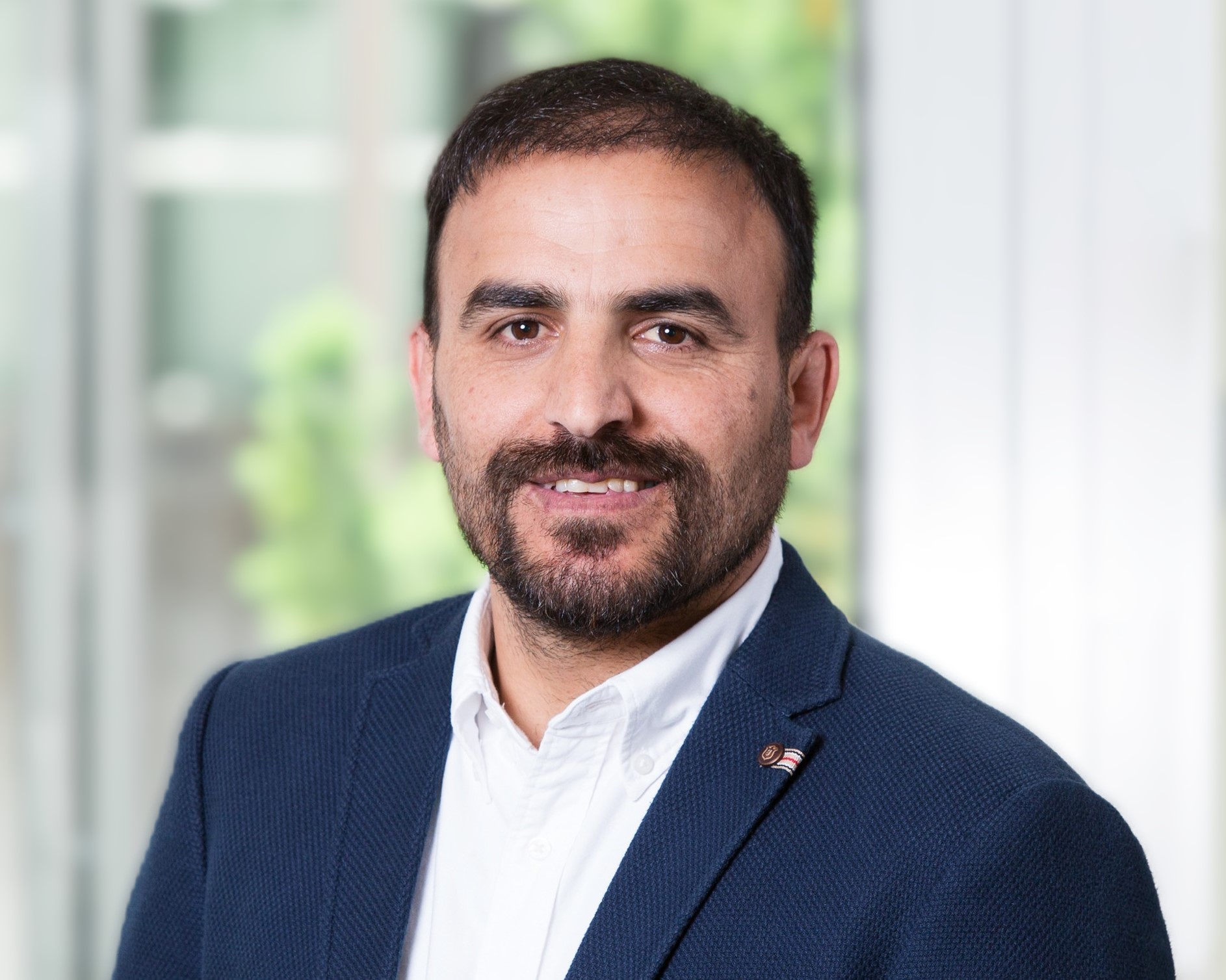
Researcher
Mehdî Jafarzadeh
Albert-Ludwigs-Universität Freiburg / University of Freiburg
Mehdî Jafarzadeh is a PhD candidate at the University of Freiburg, combining his background in Information Technology with an MA in Kurdish Language and Culture.
Read full biography
Mehdî Jafarzadeh is a PhD candidate at the University of Freiburg, combining his background in Information Technology with an MA in Kurdish Language and Culture. He voluntarily coordinates the development of Natural Language Processing (NLP) tools for the Kurdish language at the Mesopotamian Foundation in Amed (Turkey), where he focuses on creating digital resources that support language research, revitalisation, and accessibility. Additionally, he serves as a member of the Koma Kurmancî (Kurdish Institute of Paris), contributing to vocabulary collection and expansion of the Kurdish dictionary.
His work bridges technological innovation with linguistic preservation, advancing digital resources for underrepresented languages.
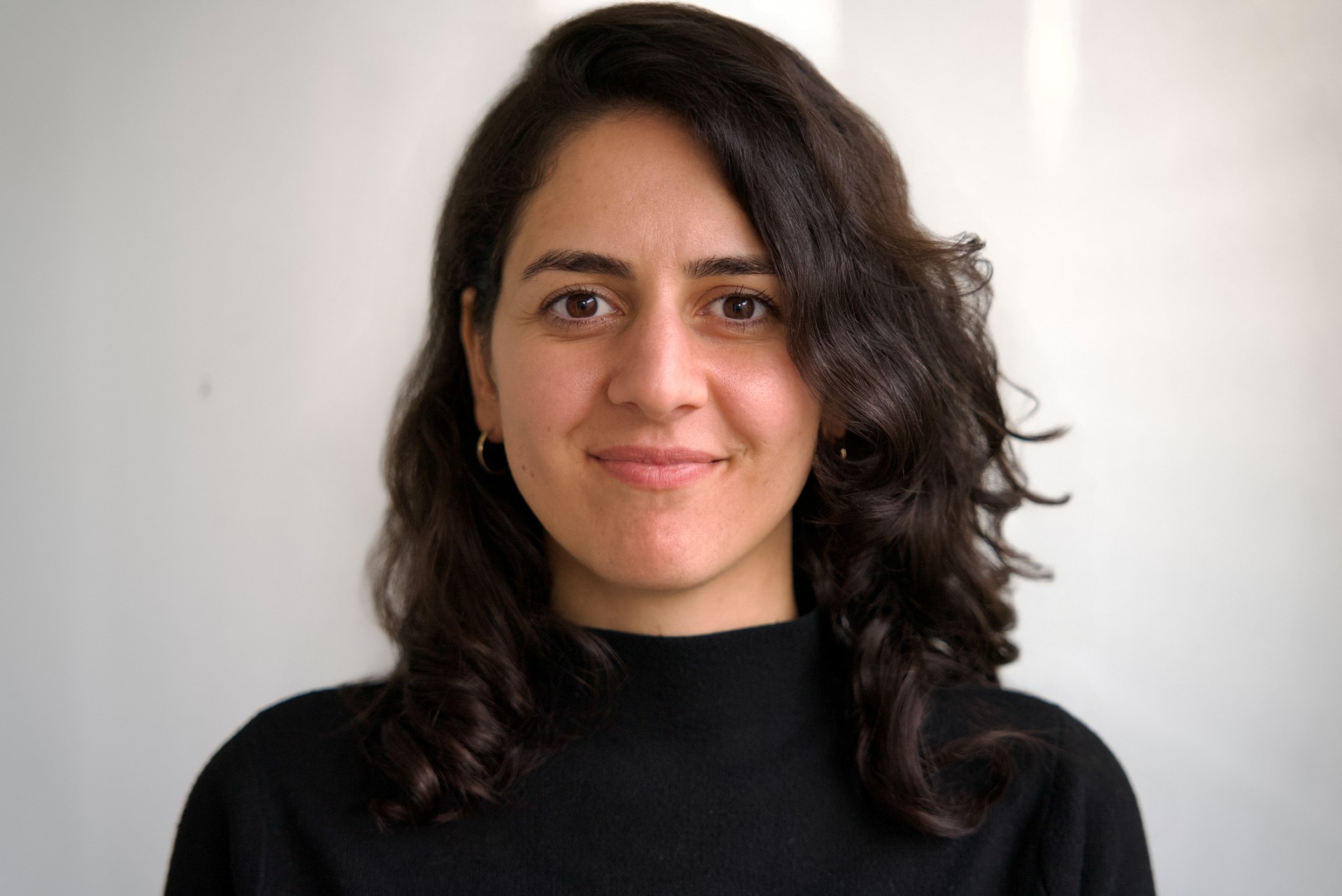
Researcher
Şilan Beyazdaş
Albert-Ludwigs-Universität Freiburg / University of Freiburg
Oilthigh Ghlaschu / University of Glasgow
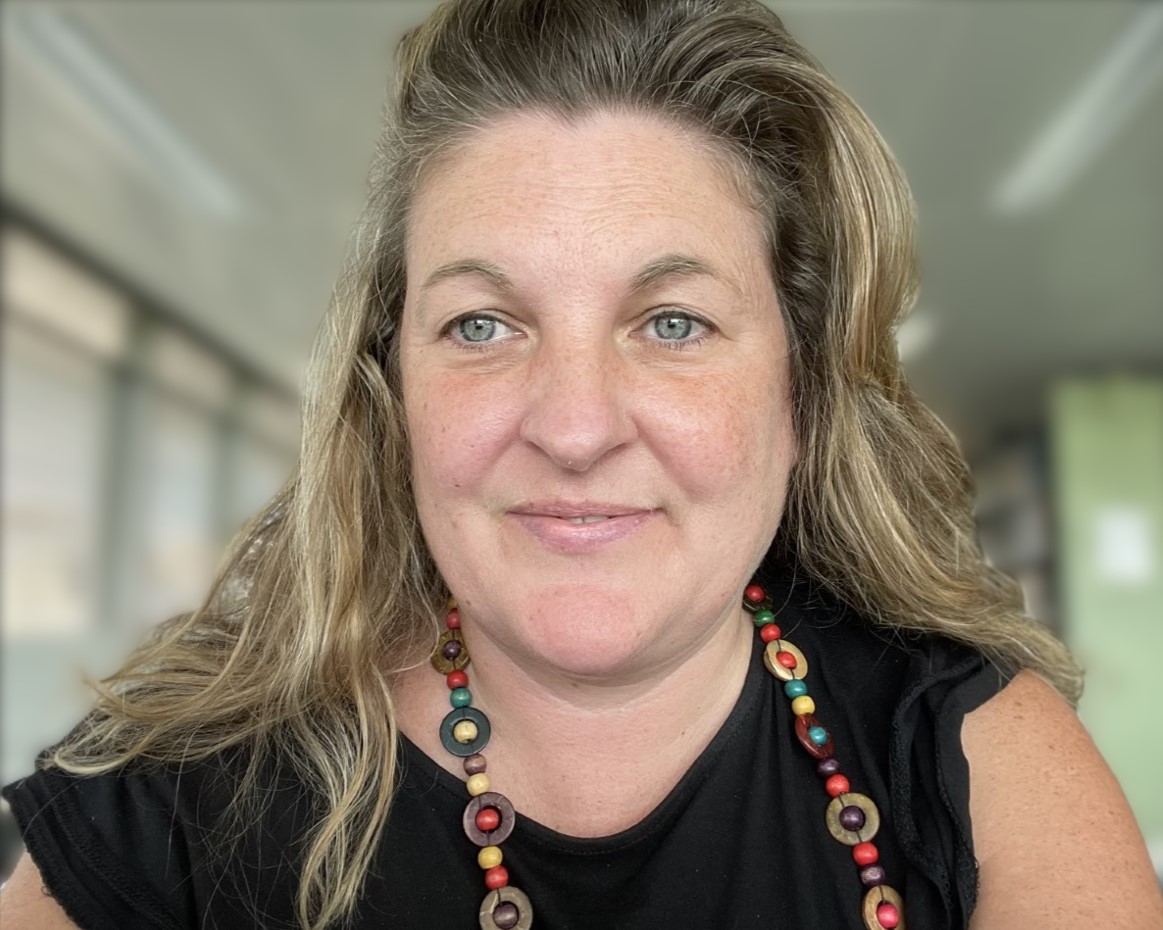
Co-Investigator
Bernadette O’Rourke
Oilthigh Ghlaschu / University of Glasgow
Bernadette O’Rourke is Professor of Sociolinguistics and Hispanic Studies in the School of Modern Languages and Cultures at the University of Glasgow.
Read full biography
Bernadette O’Rourke is Professor of Sociolinguistics and Hispanic Studies in the School of Modern Languages and Cultures at the University of Glasgow. Her research sits within the broad area of sociolinguistics and the sociology of language and focuses on the political and social meanings of language and their influence on society. She is particularly interested in the dynamics of multilingual societies, language revitalisation in minoritised languages, ethnography of resistance, language ideologies and language activism. She has examined these dynamics across a range of fieldwork sites and language contexts including Galician (northern Spain), Irish, Scottish Gaelic and Faroese.
She was Chair of the EU COST Action IS1306 entitled New Speakers in a Multilingual Europe: Opportunities and Challenges (2013 – 2017). Co-authored publications include New Speakers of Irish in the Global Context: New revival? (Routledge 2020) and the Palgrave Handbook of Minority Languages and Communities (Palgrave 2019). She leads interdisciplinary collaborations which bring together language-based researchers, urban analysts, engineers and software developers to explore the geospatial dynamics of urban multilingualism and the integration of AI and geospatial technologies to support this.
Researcher
Aitor Bonsoms García
Oilthigh Ghlaschu / University of Glasgow
Aitor Bonsoms is a Postdoctoral Researcher in the School of Modern Languages and Cultures at the University of Glasgow.
Read full biography
Aitor Bonsoms is a Postdoctoral Researcher in the School of Modern Languages and Cultures at the University of Glasgow.
His research lies at the crossroads of International Relations, Security Studies and Social and Political Theory. In methodological terms, he is interested in qualitative methods, particularly discourse analysis and ethnographic techniques. Previously, he has taught at several universities in Madrid (UCM, UC3M and UAM) and Barcelona (UAB). He holds a PhD in Politics, Public Policy, and International Relations from the Autonomous University of Barcelona and a master’s degree in Ideology and Discourse Analysis from the University of Essex.
Researcher
Lu Byrne
Oilthigh Ghlaschu / University of Glasgow
Lu Byrne is a PhD student and Graduate Teaching Assistant at the University of Glasgow. They graduated with an MA in Spanish and French (2024) and an MRes in Modern Languages, with a focus on Spanish Sociolinguistics (2025).
Read full biography
Lu Byrne is a PhD student and Graduate Teaching Assistant at the University of Glasgow. They graduated with an MA in Spanish and French (2024) and an MRes in Modern Languages, with a focus on Spanish Sociolinguistics (2025). Their doctoral research focuses on the politics of language and linguistic hierarchies in multilingual states, with a particular emphasis on the Spanish context.
They draw on material from several fields in their work (e.g. sociolinguistics, linguistic anthropology, and political science), using both top-down and bottom-up approaches to connect political framings of language with the lived experiences of speakers. They use Critical Discourse Analysis to examine how Galician, Basque, and Catalan are represented in political, media, and institutional discourse, and complement this with ethnographic research among young, university-aged speakers. This dual perspective traces how language is discursively framed by political actors and how these framings shape the language ideologies and everyday practices of young people in multilingual Spain.
Researcher
Paula Teixeira Moláns
Oilthigh Ghlaschu / University of Glasgow
Paula Teixeira Moláns is a Postdoctoral Researcher in the School of Modern Languages and Cultures at the University of Glasgow.
Read full biography
Paula Teixeira Moláns is a Postdoctoral Researcher in the School of Modern Languages and Cultures at the University of Glasgow.
As a linguist, she specialises in Colour Semantics, Sociolinguistics, and Minority Languages. Her doctoral thesis explored the Colour Semantics of Galician through extensive fieldwork with two generations of speakers: elderly and young adults. This study found shocking contrasts between the two age groups derived from language contact with Spanish.
She has been a guest lecturer in Linguistics at the University of Glasgow and the University of Tallinn. Through the years, she has taught Galician to international students extensively, first at University College Cork and then as a private online teacher to a range of students across the globe. In 2019, she organised an international conference called Linguistic Diversity: Celebrating Difference, which gathered academics and activists representing 17 world languages including Basque, Breton, Catalan, Galician, Irish, Ndowé, and Ndebele.
Jyväskylän yliopisto / University of Jyväskylä
Co-Investigator
Sari Pietikäinen
Jyväskylän yliopisto / University of Jyväskylä
Sari Pietikäinen is a Professor of Discourse Studies at the University of Jyväskylä, Finland. Her research interests include critical assemblage analysis of climate change in the Arctic, the power of discourse in revaluing natural resources, and the politics of language and identity.
Read full biography
Sari Pietikäinen is a Professor of Discourse Studies at the University of Jyväskylä, Finland. Her research interests include critical assemblage analysis of climate change in the Arctic, the power of discourse in revaluing natural resources, and the politics of language and identity.
Applying multiple approaches, including assemblage ontology, nexus analysis, critical discourse analysis, and ethnography, she has led several international research projects examining shifts in ecological, political, and cultural discourses and practices in the warming Arctic. In collaboration with stakeholders, she has developed various knowledge designs, such as science postcards, collaborative photography exhibitions, and art-based conversation pieces, to engage diverse audiences in discussing research findings.
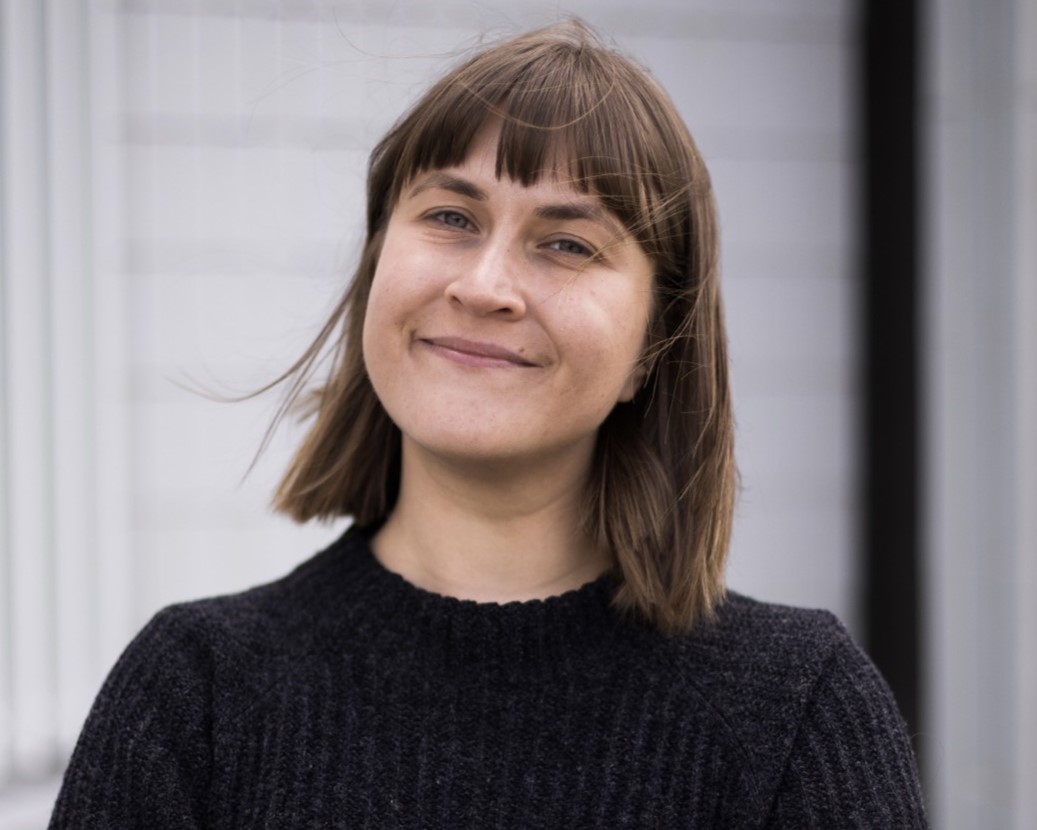
Researcher
Pauliina Puranen
Jyväskylän yliopisto / University of Jyväskylä
Pauliina Puranen is a Project Researcher in Applied Linguistics at the University of Jyväskylä, Finland. Her work is situated within critical sociolinguistics and discourse studies, drawing on ethnographic approaches.
Read full biography
Pauliina Puranen is a Project Researcher in Applied Linguistics at the University of Jyväskylä, Finland. Her work is situated within critical sociolinguistics and discourse studies, drawing on ethnographic approaches. She examines language and power across institutional contexts, with attention to linguistic and racial diversity, (de) colonisation, and (in)equity in education and work.
In her doctoral dissertation, she explored language ideologies, raciolinguistic ideologies, and language policy in vocational education and training in Finland. She has been a Fulbright Scholar at the University of Pennsylvania and has worked in Finnish language programs at the universities of Toronto, Stockholm, and Copenhagen. At the University of Jyväskylä, she has also contributed to team-ethnographic and art-based research on migration and multilingualism.
Ollscoil Luimnigh / University of Limerick
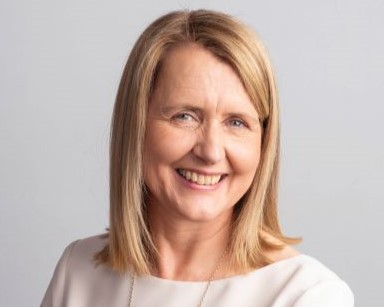
Co-Investigator
Helen Kelly-Holmes
Ollscoil Luimnigh / University of Limerick
Helen Kelly-Holmes holds the Chair in Applied Languages in the School of Modern Languages and Applied Linguistics, Ollscoil Luimnigh / University of Limerick, and is an active member of the Centre for Applied Language Studies (CALS), having previously served as Director of the Centre.
Read full biography
Helen Kelly-Holmes holds the Chair in Applied Languages in the School of Modern Languages and Applied Linguistics, Ollscoil Luimnigh / University of Limerick, and is an active member of the Centre for Applied Language Studies (CALS), having previously served as Director of the Centre. Her research concerns sociolinguistics, the study of language in society, and focuses on the interrelationship between media, markets, technologies, and languages, with a focus on the management of these relationships. She is particularly interested in the economic aspects of multilingualism, especially in relation to minority languages, language policy, and the global political economy of English, and has published widely on these topics.
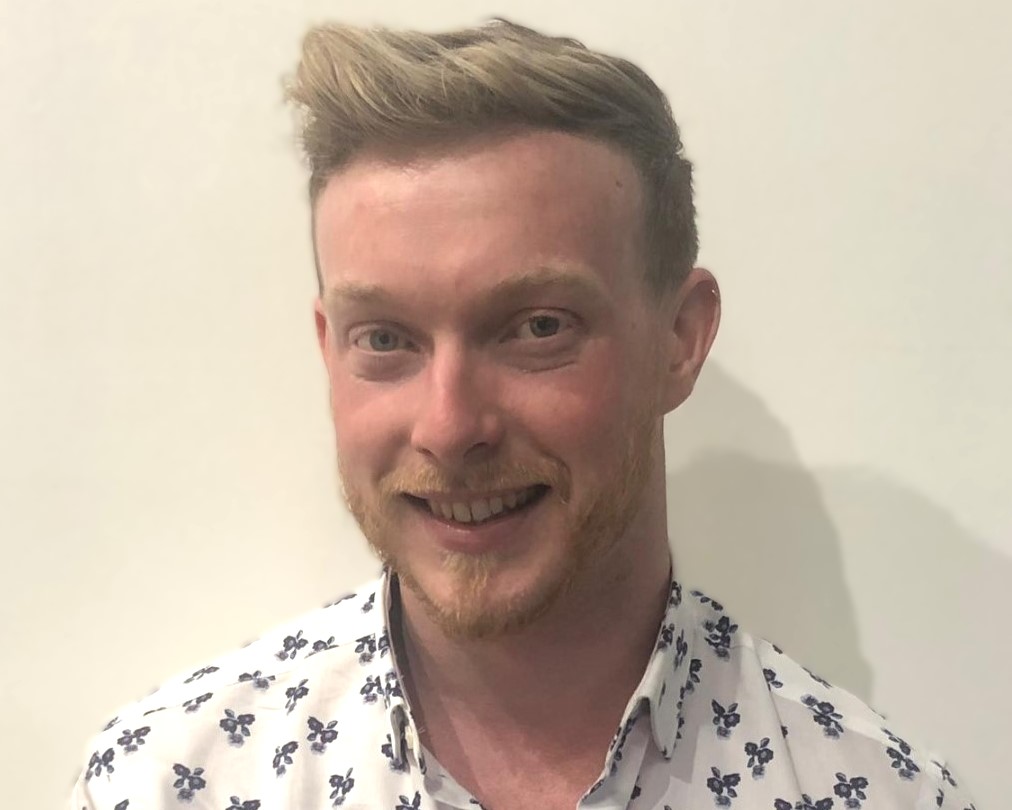
Researcher
Mark Ryan
Ollscoil Luimnigh / University of Limerick
Mark Ryan is a research assistant and lecturer in applied linguistics in the School of Modern Languages and Applied Linguistics at the University of Limerick, Ireland.
Read full biography
Mark Ryan is a research assistant and lecturer in applied linguistics in the School of Modern Languages and Applied Linguistics at the University of Limerick, Ireland. Mark’s doctoral research lies in the field of queer linguistics and focuses on the linguistic and semiotic processes involved in the construction of minoritised identities across mediated discourse contexts. In particular, Mark is interested in the application of a queer utopian lens to such contexts. Mark also has a keen interest in the internationalisation of higher education, both at a theoretical and policy level, and aims to integrate his expertise in equality, diversity, and inclusion into this field. As such, he has collaborated on projects in a number of multi-disciplinary consortia aimed at fostering social cohesion through policy interventions. Mark has spoken about his research at international conferences at the University of Hong Kong and the University of Helsinki and has also worked at the Directorate of Equality, Diversity, and Inclusion at Technological University Dublin, where he held a post as Senior Research Assistant.
Universitetet i Oslo / University of Oslo
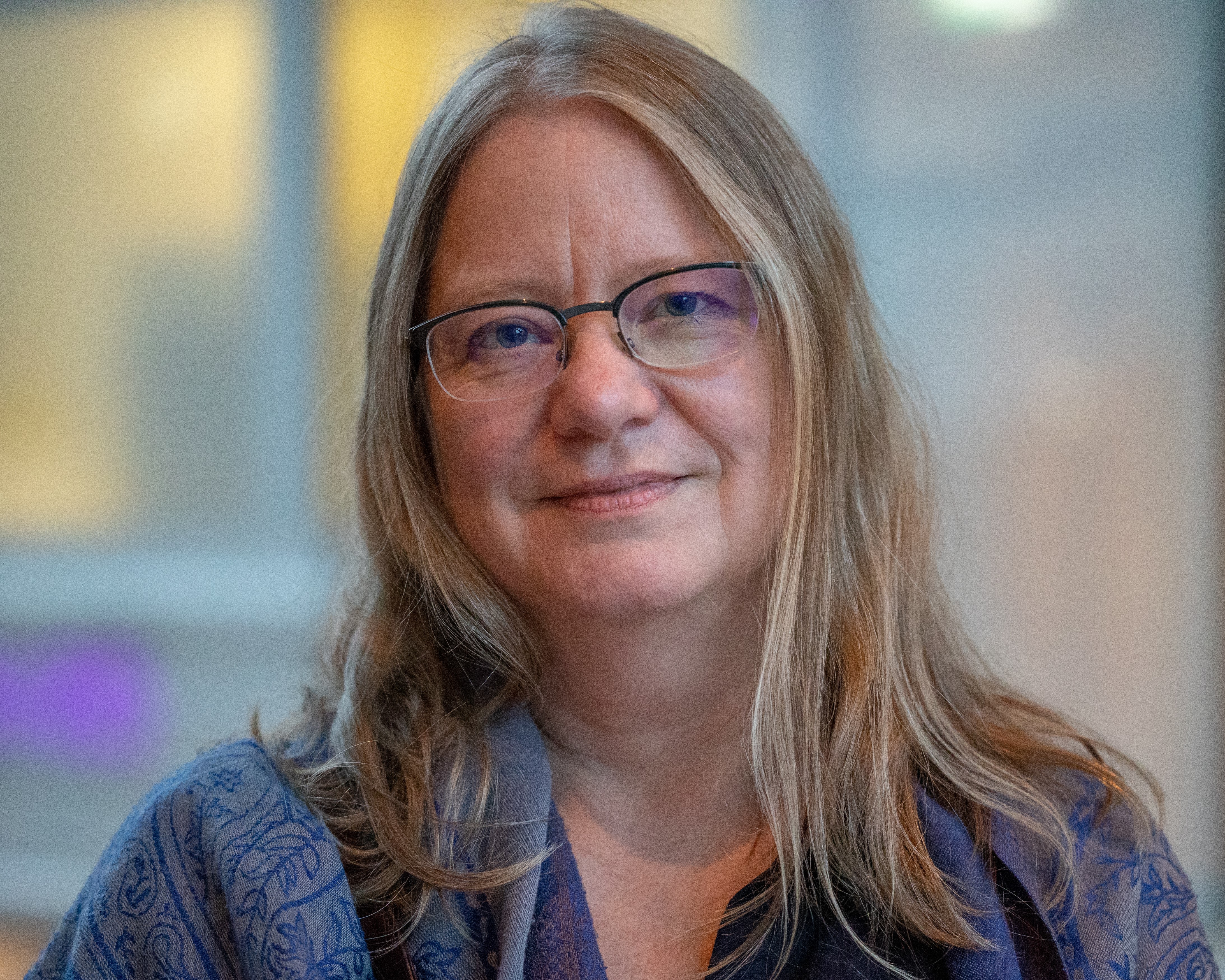
Co-Investigator
Pia Lane
Universitetet i Oslo / University of Oslo
Pia Lane is Professor of Multilingualism in the Department of Linguistics and Scandinavian Studies at the University of Oslo, coordinator of the Centre for Multilingualism in Society across the Lifespan (MultiLing), and PI of the project Indigenous Language Resilience: From Learners to Speakers (with Professor Haley De Korne).
Read full biography
Pia Lane is Professor of Multilingualism in the Department of Linguistics and Scandinavian Studies at the University of Oslo, coordinator of the Centre for Multilingualism in Society across the Lifespan (MultiLing), and PI of the project Indigenous Language Resilience: From Learners to Speakers (with Professor Haley De Korne). Her research centres on multilingualism in Northern Norway, focusing on language policy, language shift, and revitalisation, particularly concerning Indigenous and minoritised languages in her home community.
She is the 2024 recipient of the Nansen Award for Excellence in Science. Her publications include From Silence to Silencing? Contradictions and Tensions in Language Revitalization (Applied Linguistics), Standardizing Minority Languages (Routledge, co-edited with James Costa and Haley De Korne, 2017), and Negotiating Identities in Nordic Migrant Narratives (Palgrave, co-edited with Bjørghild Kjelsvik and Annika Bøstein Myhr, 2022). She is co-editor-in-chief of LME Linguistic Minorities in Europe Online (De Gruyter).
Pia Lane has served on the Norwegian Truth and Reconciliation Commission (2018-2023).
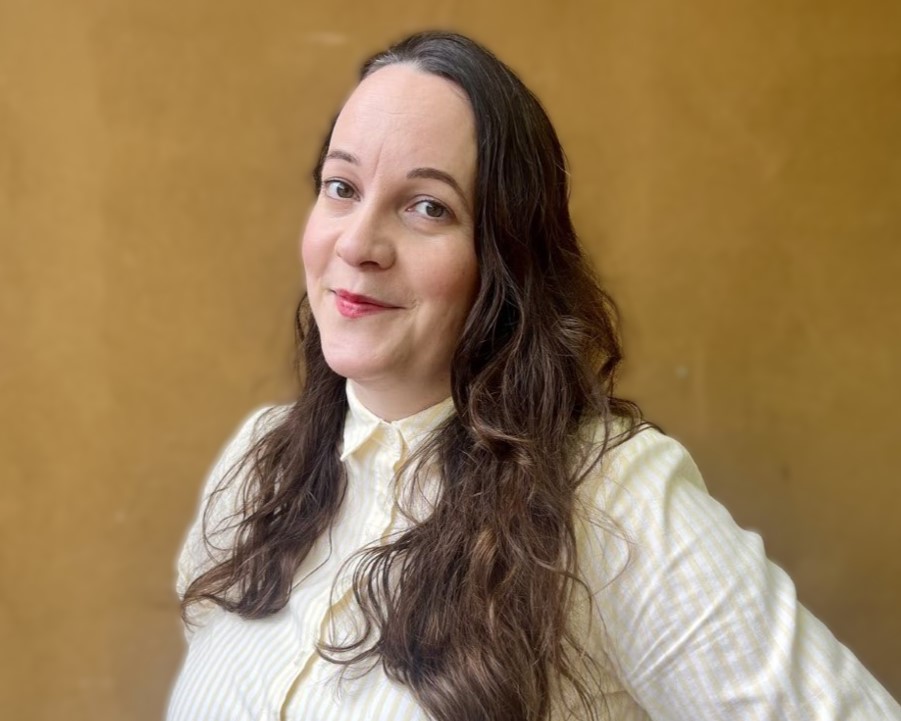
Researcher
Vida Colliander
Universitetet i Oslo / University of Oslo
Vida Colliander is a student in the Multilingualism Master’s Programme at the University of Oslo, pursuing her second Master’s degree after completing an MA in Intercultural Encounters at the University of Helsinki.
Read full biography
Vida Colliander is a student in the Multilingualism Master’s Programme at the University of Oslo, pursuing her second Master’s degree after completing an MA in Intercultural Encounters at the University of Helsinki. Today, she navigates her life primarily in Norwegian and English, but she grew up bilingual in Finnish and Swedish.
Her professional background includes various roles in the educational sector across Norway, Finland, and India. Additionally, she has contributed to NGOs working with intercultural youth and integration. She also has experience working with public administration and migration in Helsinki. Her interest in national minorities deepened during her internship at the Finnish-Norwegian Cultural Institute, where she gained a greater understanding of the diversity of art and culture in Northern Norway.
Her research interests include sociolinguistics, language and identity, minority languages, ethnography, and decolonial studies.
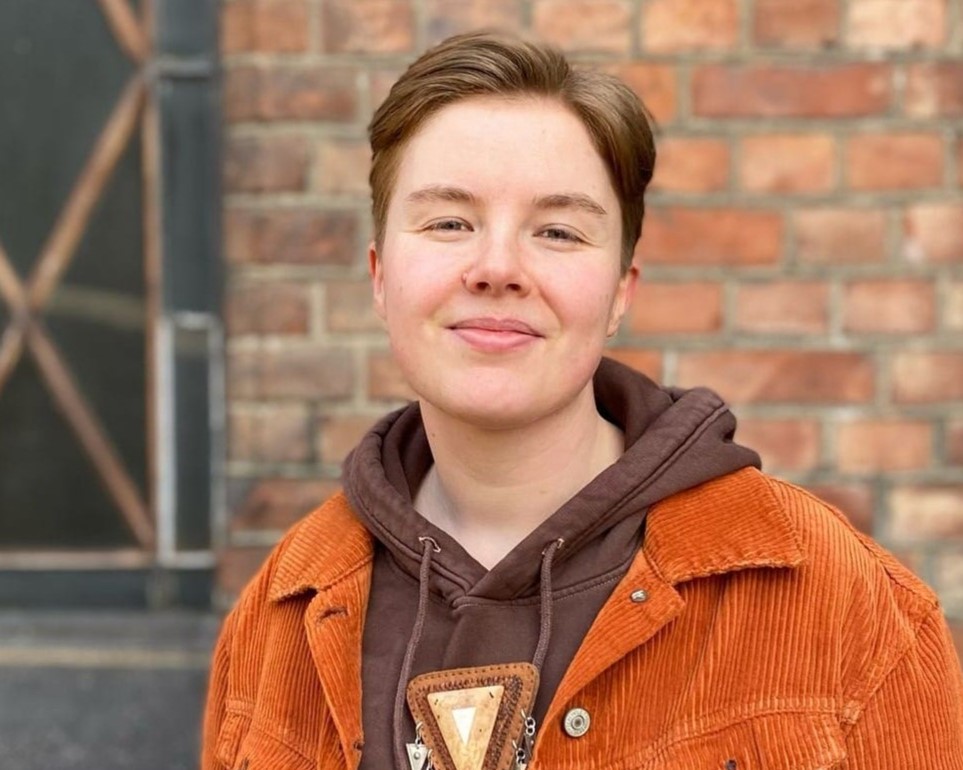
Researcher
M Seppola Simonsen
Universitetet i Oslo / University of Oslo
M. Seppola Simonsen holds a MPhil in development, environment and cultural change from the University of Oslo, and is currently working at the university as a research assistant.
Read full biography
M. Seppola Simonsen holds a MPhil in development, environment and cultural change from the University of Oslo, and is currently working at the university as a research assistant. Their research interests include applied linguistics and political ecology, as well as indigenous and minority studies.
M is also a poet, and has published several poetry collections, winning multiple awards for their writing.
Pädagogische Hochschule Luzern / University of Teacher Education Lucerne
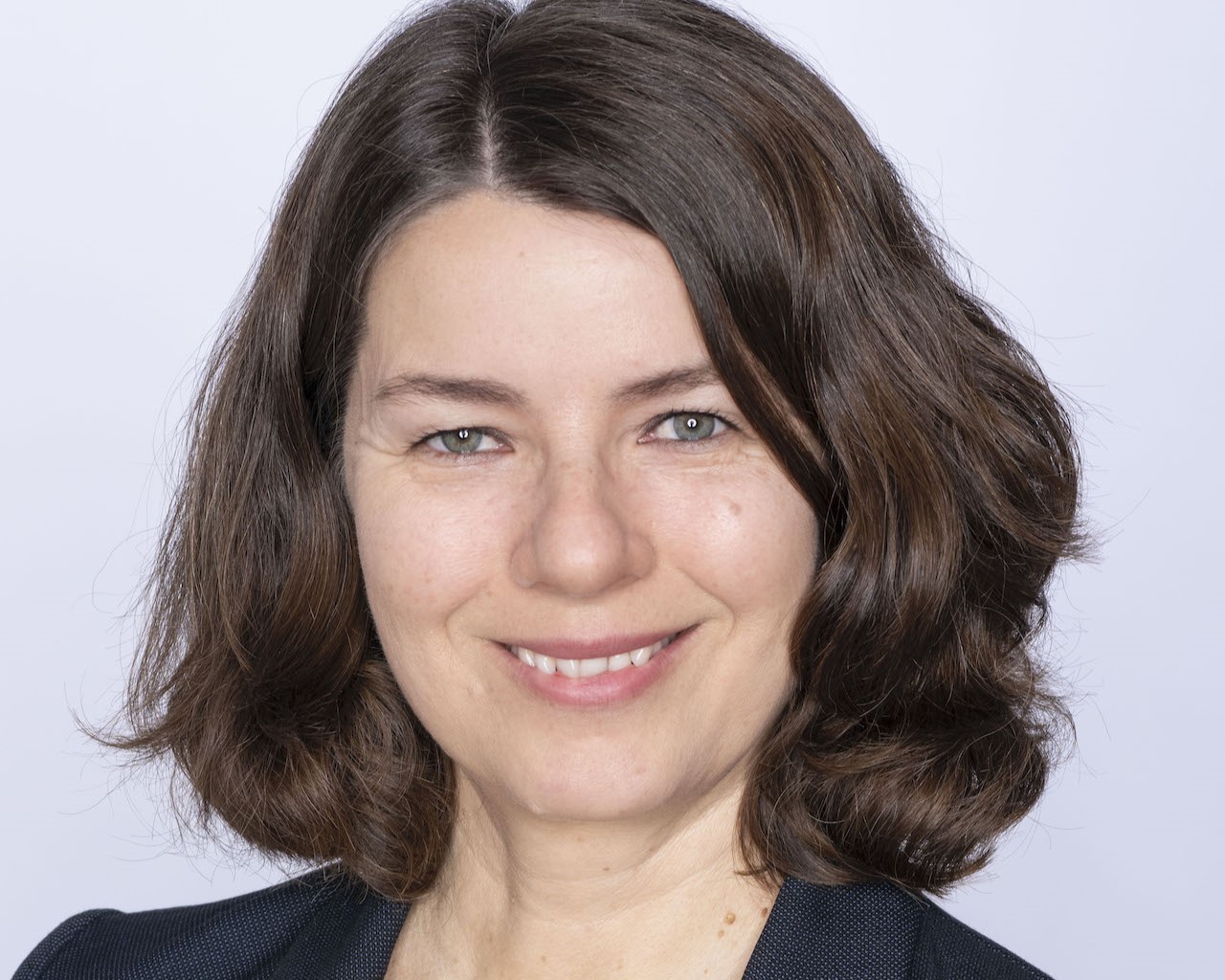
Co-Investigator
Edina Krompák
Pädagogische Hochschule Luzern / University of Teacher Education Lucerne
Edina Krompák is Professor of Educational Sciences and Head of the Institute of Language Learning and Teaching and Educational Linguistics at the University of Teacher Education Lucerne, Switzerland.
Read full biography
Edina Krompák is Professor of Educational Sciences and Head of the Institute of Language Learning and Teaching and Educational Linguistics at the University of Teacher Education Lucerne, Switzerland.
Her current research interests are the relationship between linguistic landscape and educational spaces, the exploration of language and identity, translanguaging, and multimodality in language learning and teaching. Her research and teaching delve into multidisciplinary topics from educational science, educational linguistics, and linguistic ethnography.
She is a co-editor of the books Linguistic Landscapes and Educational Spaces (2022, Multilingual Matters), Language and Space. Multilingualism in Educational Research and in School (2022, hep), and Educational Agency and Activism in Linguistic Landscape Studies (2024, Peter Lang).
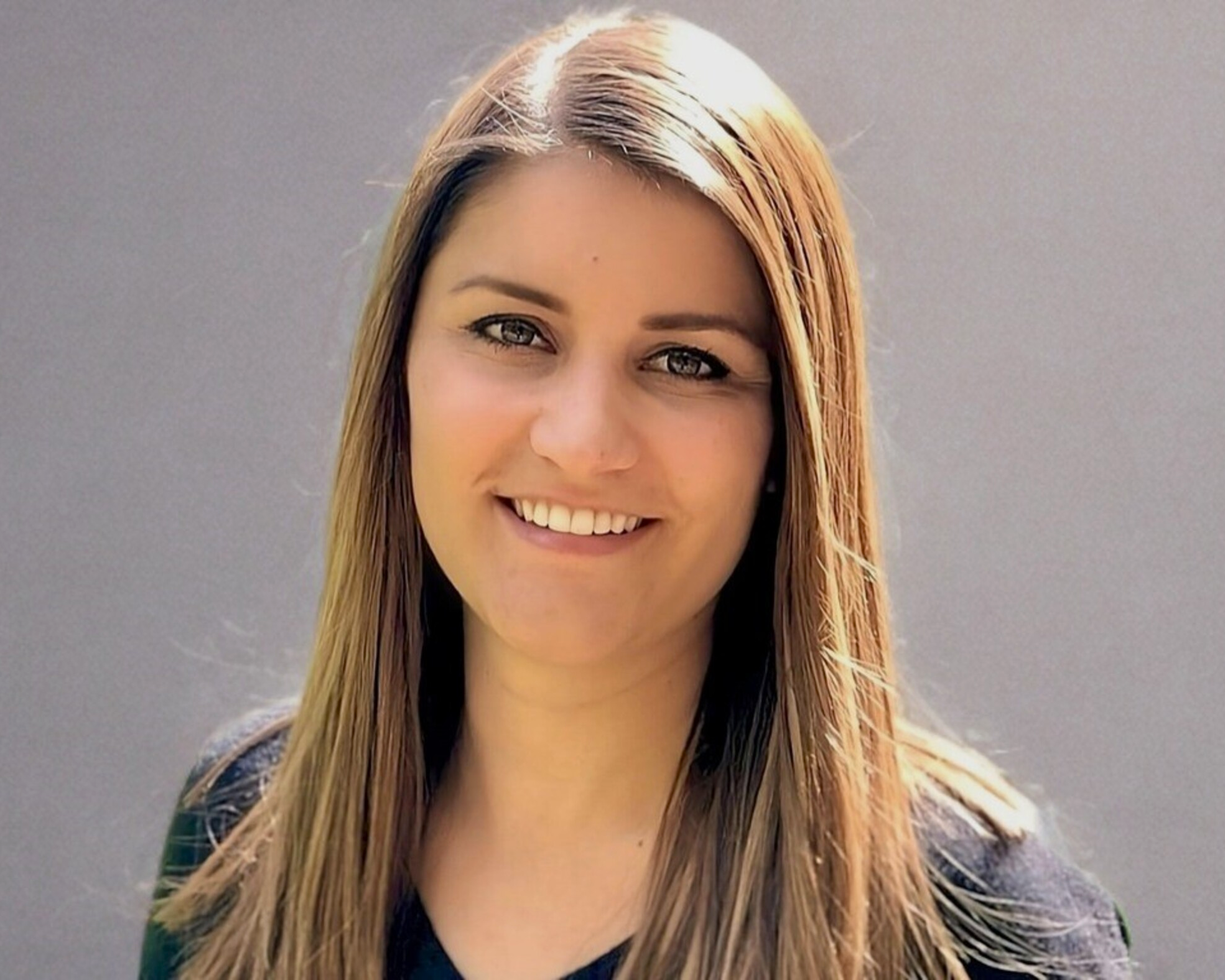
Researcher
Lindita Bakii
Pädagogische Hochschule Luzern / University of Teacher Education Lucerne
Lindita Bakii is a research associate at the Institute of Language Learning and Teaching and Educational Linguistics at the University of Teacher Education Lucerne (PH Luzern).
Read full biography
Lindita Bakii is a research associate at the Institute of Language Learning and Teaching and Educational Linguistics at the University of Teacher Education Lucerne (PH Luzern). She holds a Master’s in Foreign Language Teaching and Learning from the University of Fribourg (CH) and a Bachelor’s in Pre-Primary and Primary Education. With over ten years of teaching experience, she has also contributed to teacher training, especially in the didactics of French. More recently, she has been teaching German as a Foreign Language, with a particular focus on legal language, at the University of Fribourg (CH).
Her research interests include sociolinguistics, especially language and power, language and migration, multilingualism in schools, diglossia and language and digitalisation.
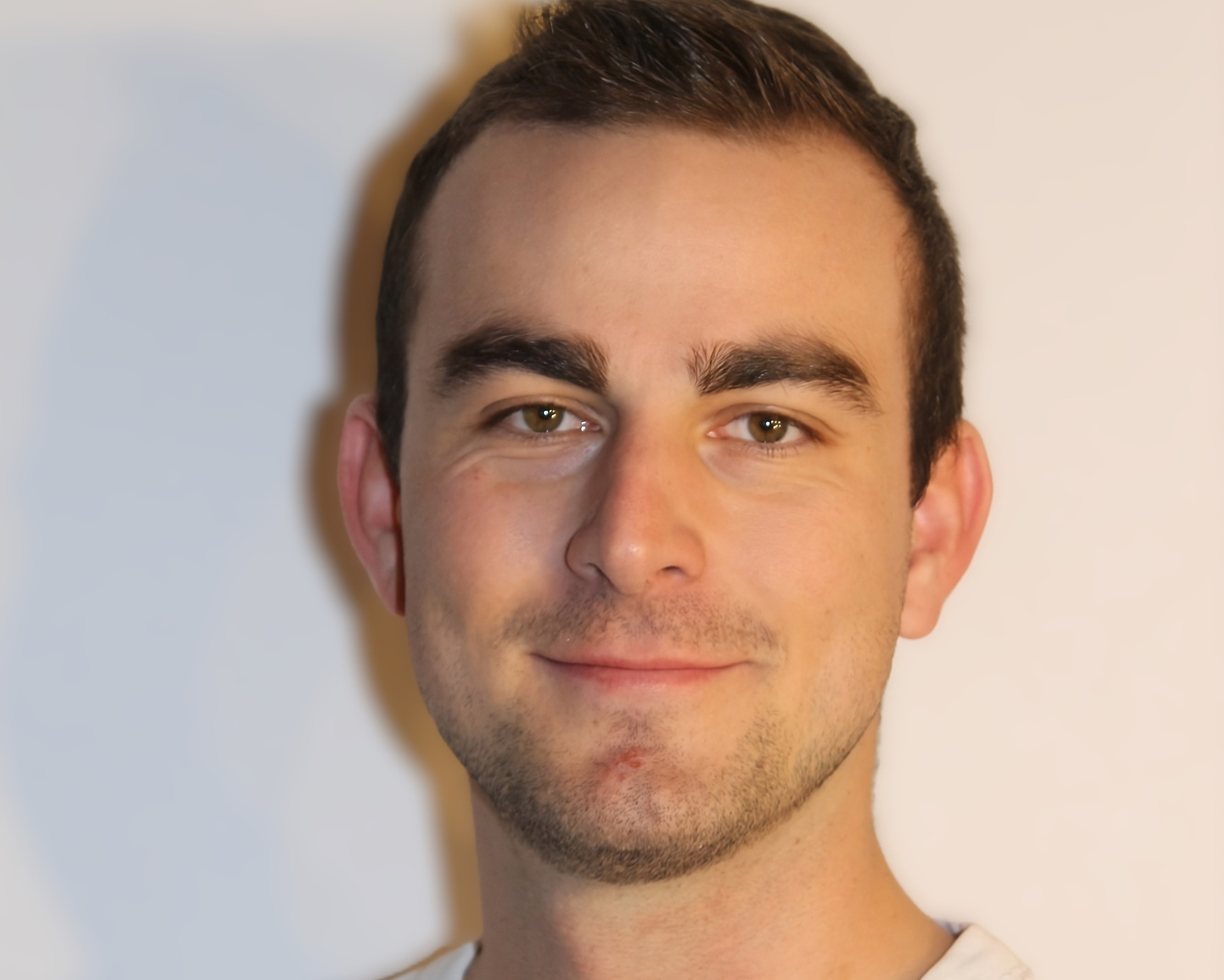
Researcher
Pascal Schmidt
Pädagogische Hochschule Luzern / University of Teacher Education Lucerne
Pascal Schmidt is currently studying at the Institute of Educational Sciences at the University of Basel, where he is pursuing a Master’s degree in Sport Didactics.
Read full biography
Pascal Schmidt is currently studying at the Institute of Educational Sciences at the University of Basel, where he is pursuing a Master’s degree in Sport Didactics. He is in his second semester and teaches at a primary school in Basel alongside his academic work. He grew up in a small mountain village in the Engadine region of Switzerland and is a native speaker of Romansh, a heritage he proudly acknowledges. He holds a teaching degree from the University of Teacher Education in Chur and has a strong interest in the intersection of educational practice and subject-specific pedagogy.
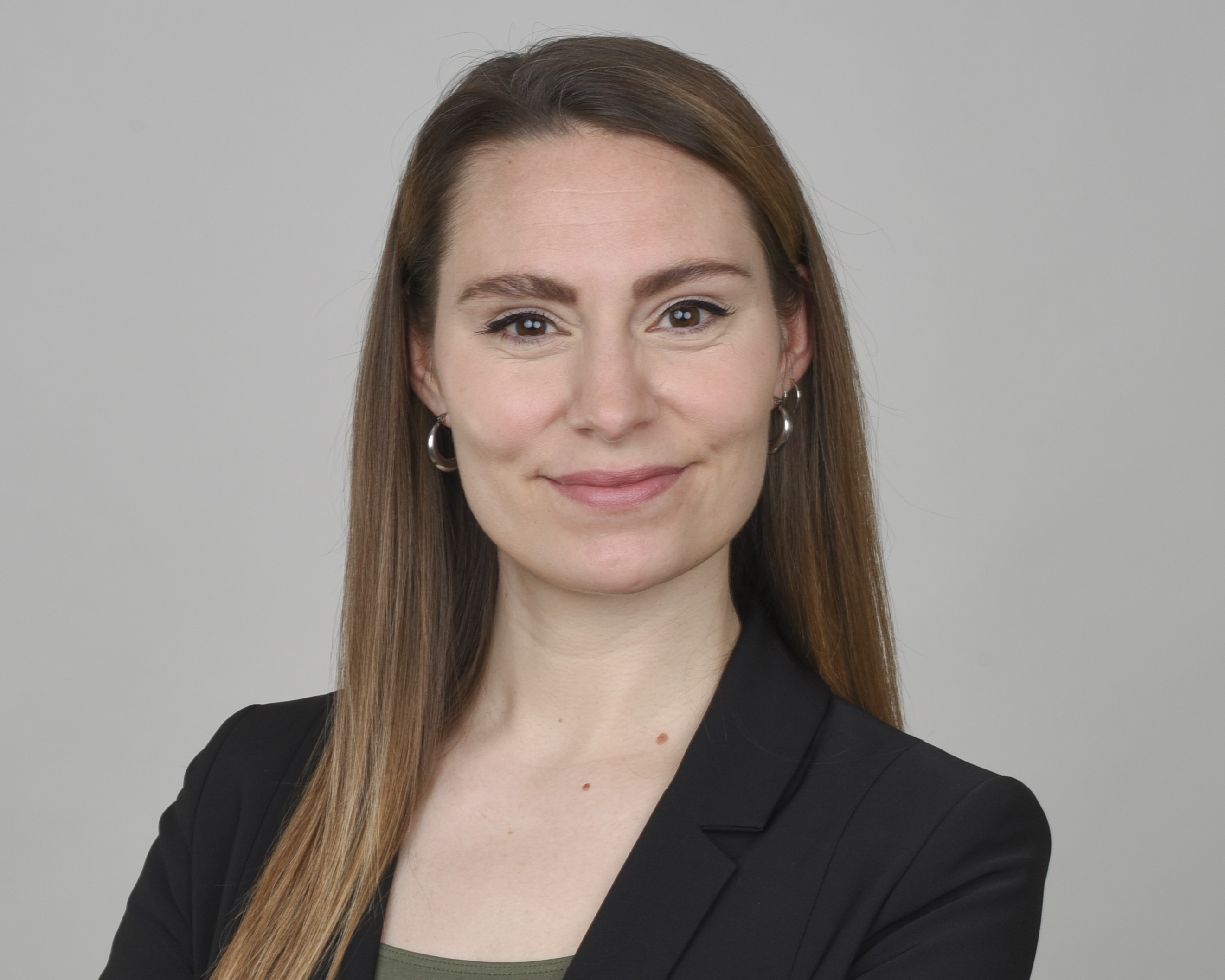
Researcher
Clara Seitz
Pädagogische Hochschule Luzern / University of Teacher Education Lucerne
Clara Seitz is a primary school teacher with an academic background in language and education. She studied Italian and German at the University of Zurich, followed by a bilingual teacher training program (Italian-German) in Chur.
Read full biography
Clara Seitz is a primary school teacher with an academic background in language and education. She studied Italian and German at the University of Zurich, followed by a bilingual teacher training program (Italian-German) in Chur. Her teaching career began in Bern and continued in Ticino, where she held a full-time position as a primary school teacher. She currently works at an Italian-German bilingual school in Basel, where she contributes to multilingual and intercultural education through her teaching in German.
Alongside her professional role, she is pursuing a Master’s degree in Educational Sciences, with a focus on educational theory and research. She is committed to creating inclusive, language-rich classrooms and connecting educational theory with everyday teaching.
Researcher
Victoria Wasner
Pädagogische Hochschule Luzern / University of Teacher Education Lucerne
Victoria Wasner graduated in German and Russian from The University of Sheffield, UK (2000), before becoming a secondary school languages teacher.
Read full biography
Victoria Wasner graduated in German and Russian from The University of Sheffield, UK (2000), before becoming a secondary school languages teacher. She completed an MA in Learning and Teaching (2008) at Nottingham University, with a focus on intercultural awareness in language education, and earned her Doctor of Education at Durham University (2019), whilst teaching at an international school in Switzerland.
She is currently a researcher at the Institute of Language Learning and Teaching and Educational Linguistics at the University of Teacher Education, Lucerne. She is also a lecturer in English language teaching methodology in the department of foreign languages at the University of Teacher Education, Thurgau, and is an associate lecturer in intercultural competence at the Lucerne University of Applied Sciences and Arts.
Her research interests and expertise lie in participatory methods and approaches, critical, transformative, and intercultural frameworks, and sociolinguistics and language education.
Università di Torino / University of Turin
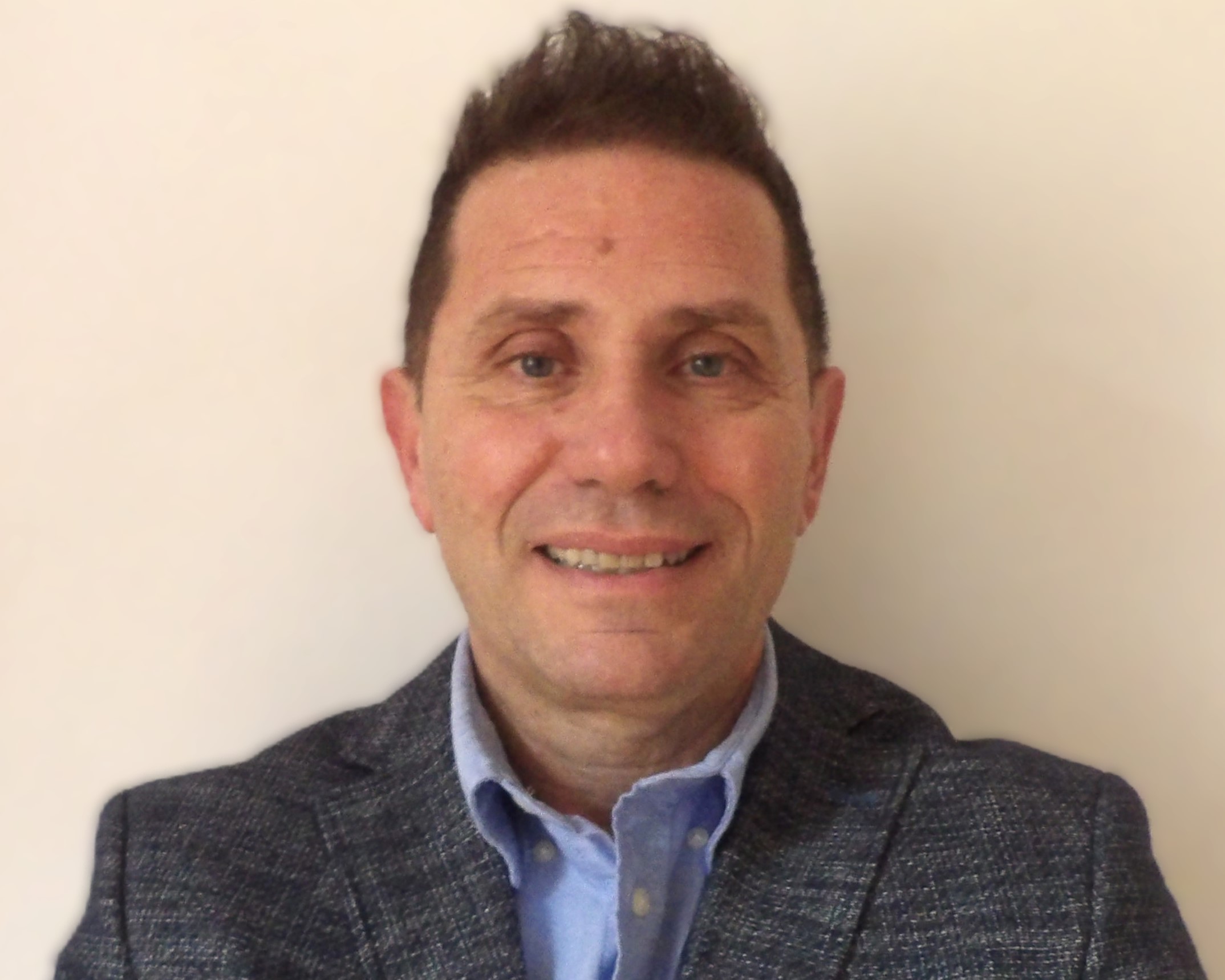
Co-Investigator
Gerardo Mazzaferro
Università di Torino / University of Turin
Gerardo Mazzaferro is a Senior Lecturer in English Language and Linguistics at the Department of Foreign Languages, Literatures, and Modern Cultures at the University of Turin, where he has been teaching since 2004.
Read full biography
Gerardo Mazzaferro is a Senior Lecturer in English Language and Linguistics at the Department of Foreign Languages, Literatures, and Modern Cultures at the University of Turin, where he has been teaching since 2004.
His academic expertise lies in sociolinguistics, with a particular focus on translanguaging, forced mobility, linguistic identities, and communicative practices in migration contexts. Over the years, he has been deeply involved in research exploring how language operates as a resource for negotiating identity, agency, and power in diverse and often challenging socio-political environments.
Dr Mazzaferro has been the Principal Investigator for several high-profile European and national research initiatives, including the NEW ABC project, which aims to explore innovative educational practices for fostering inclusivity among migrant communities.
His contributions to the field have been widely recognised. Among his works are Exploring (Im)mobilities: Language Practices, Discourses, Imaginaries and Narratives (co-edited with Anna De Fina) and Translanguaging as Everyday Practice. He has also organised and participated in numerous conferences and workshops on language and migration studies.
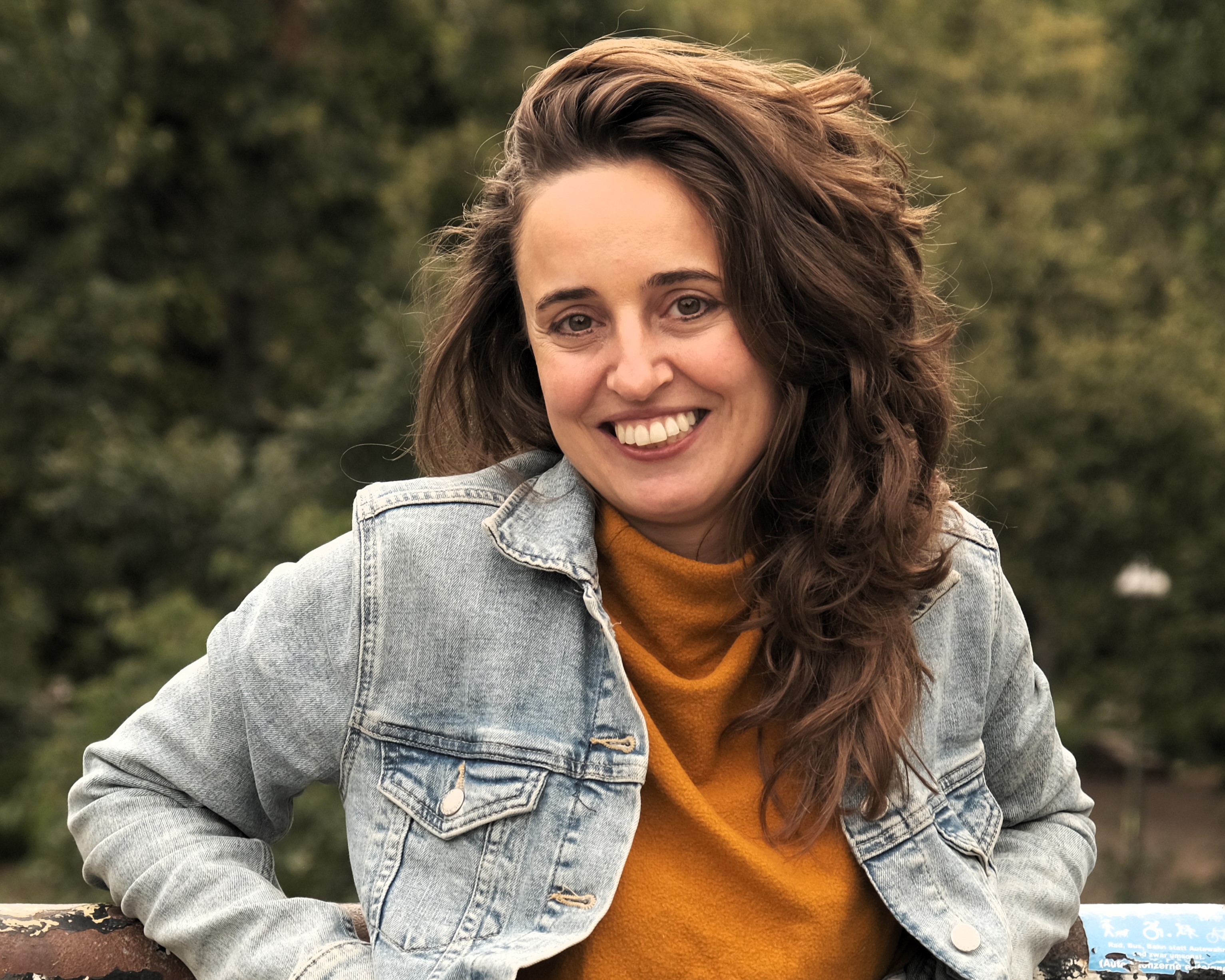
Researcher
Marta Lupica Spagnolo
Università di Torino / University of Turin
Marta Lupica Spagnolo is a postdoctoral researcher and lecturer at the Universities of Turin (Italy) and Potsdam (Germany).
Read full biography
Marta Lupica Spagnolo is a postdoctoral researcher and lecturer at the Universities of Turin (Italy) and Potsdam (Germany).
Her doctoral research focused on the language biographies of people who moved from former Yugoslavian countries to trilingual South Tyrol. For her habilitation project at the University of Potsdam, she is investigating the sociolinguistic and linguistic features of Italian-based multilingual practices spoken by street vendors in a Berlin park after transit through Italy. She has also collaborated on research projects at the Universities of Basel and Milano-Bicocca.
Her research interests range from multilingualism and contact linguistics to second language acquisition, narrative analysis, language planning and nation building.

