Case study 1
Multisemiotic Turin


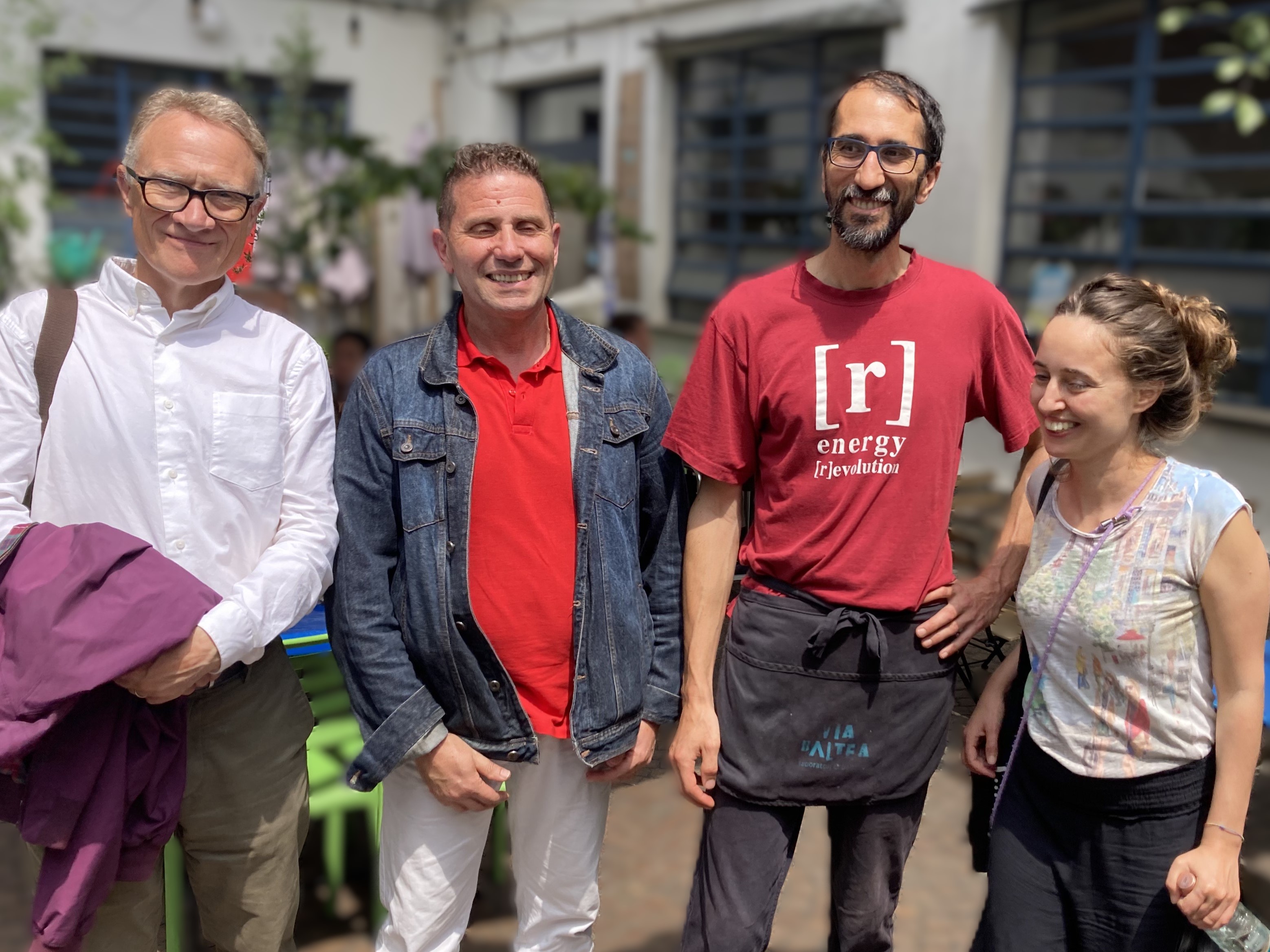
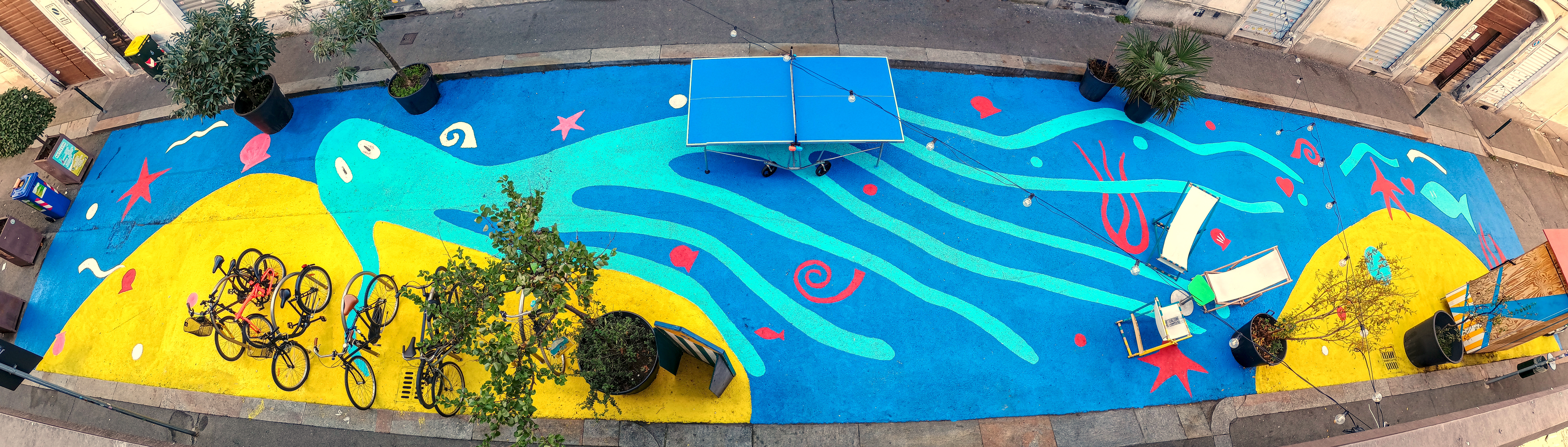
Via Baltea Community Hub
Since 2014, Via Baltea – created in the premises of a former printing house – has been an urban regeneration project with a strong social and cultural impact: a community hub that fosters collaborative cultural practices grounded in participation and activism, working together with more than 100 local associations and organizations. Within the framework of the MultiLX project, the hub will host a series of language-creative workshops run by the Turin research group.
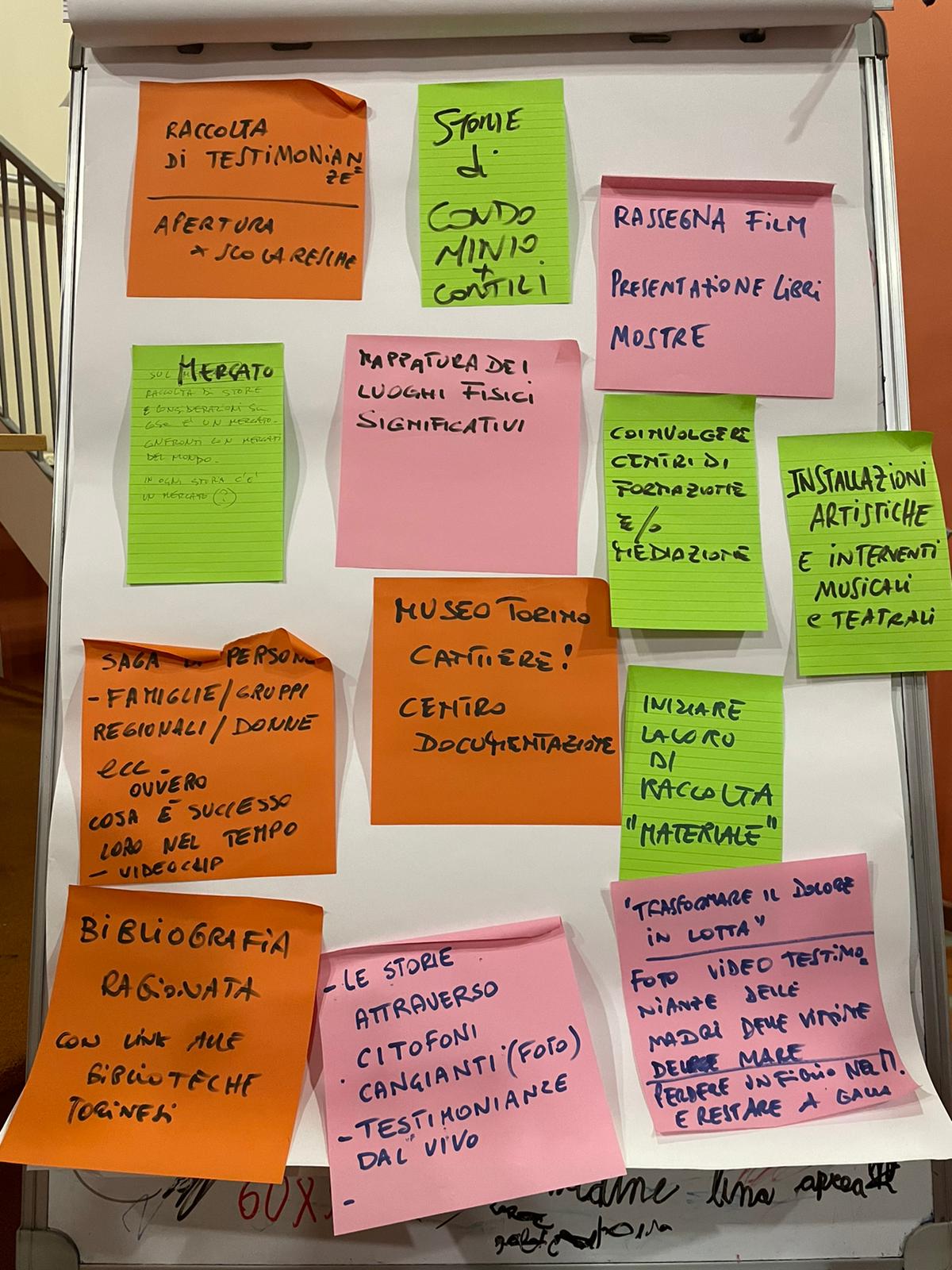
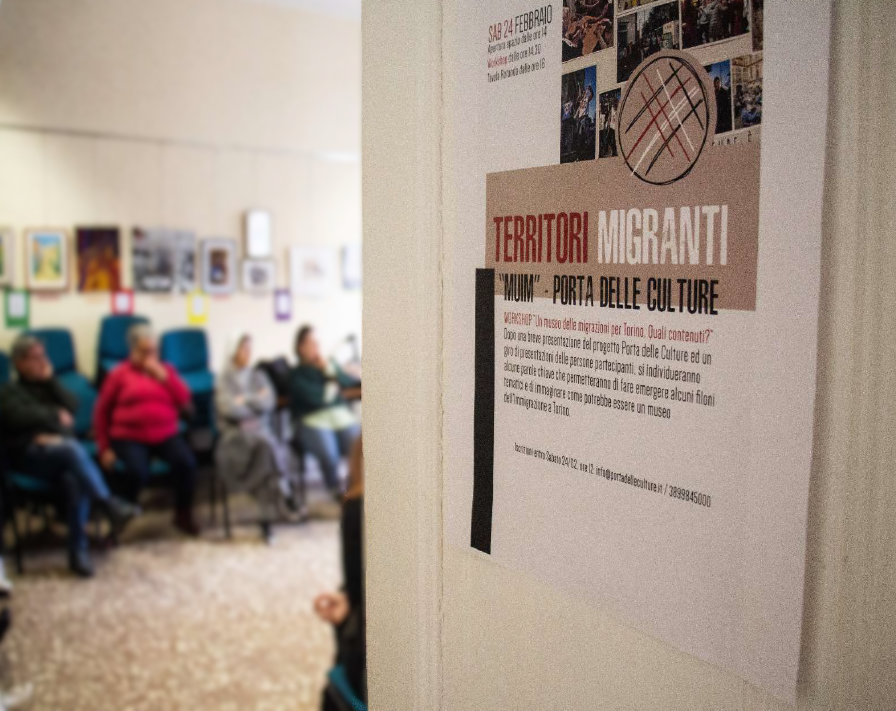
Porta delle Culture and El Kheir butcher shop
The Porta delle Culture Network coordinates over 20 associations united by the common goal of establishing a travelling Museum of Migrations (Museo delle Migrazioni) in Turin. In collaboration with the MultiLX project, Porta delle Culture provides the Turin research group with insight into grassroots initiatives in the area surrounding Porta Palazzo, one of the city’s most vibrant and multicultural neighbourhoods. For example, Porta delle Culture introduced us to El Kheir, a halal butcher shop close to Porta Palazzo’s market. El Kheir (meaning “abundance” in Arabic) supplies some of the best Moroccan restaurants in the area and is run by Abdul, Yassin, and friends, who have become a key point of reference for local communities. The butcher shop collaborates with the MultiLX project, giving us the opportunity to observe everyday interactions with its multilingual customers and to gain valuable insights into the multisemiotic practices of its clientele.



Case study 2
Migration, Belonging and Cohesion in Multilingual Berlin


YEKMAL
Yekmal works throughout Germany for an open, diverse, pluralistic and inclusive society, ensuring that people with migration and refugee histories can lead self-determined, equal and free lives. The organisation runs wo bilingual kindergartens and are recognised providers of youth welfare and support. Yekmal is committed to the education and social participation of families, and place special emphasis on the promotion of Kurdish languages and cultures, as well as multilingual language development.
Yekmal Akademie
The Yekmal Academy for language, education and research is committed to promoting multilingualism, cultural diversity and educational excellence for all. They focus on those languages and identities that are less visible, and are threatened by structural restrictions and challenges.
The academy is committed to an inclusive education that offers equal opportunities to all people, regardless of their origin, cultural background or language, striving to create a society where diversity is seen as a strength. They work closely with their students, staff, partners and wider community to achieve common goals and create positive change.

Case study 3
Multimodal, Multilingual and Digital Practices of Swiss Youth

Exploring Multilingual Classrooms across Switzerland
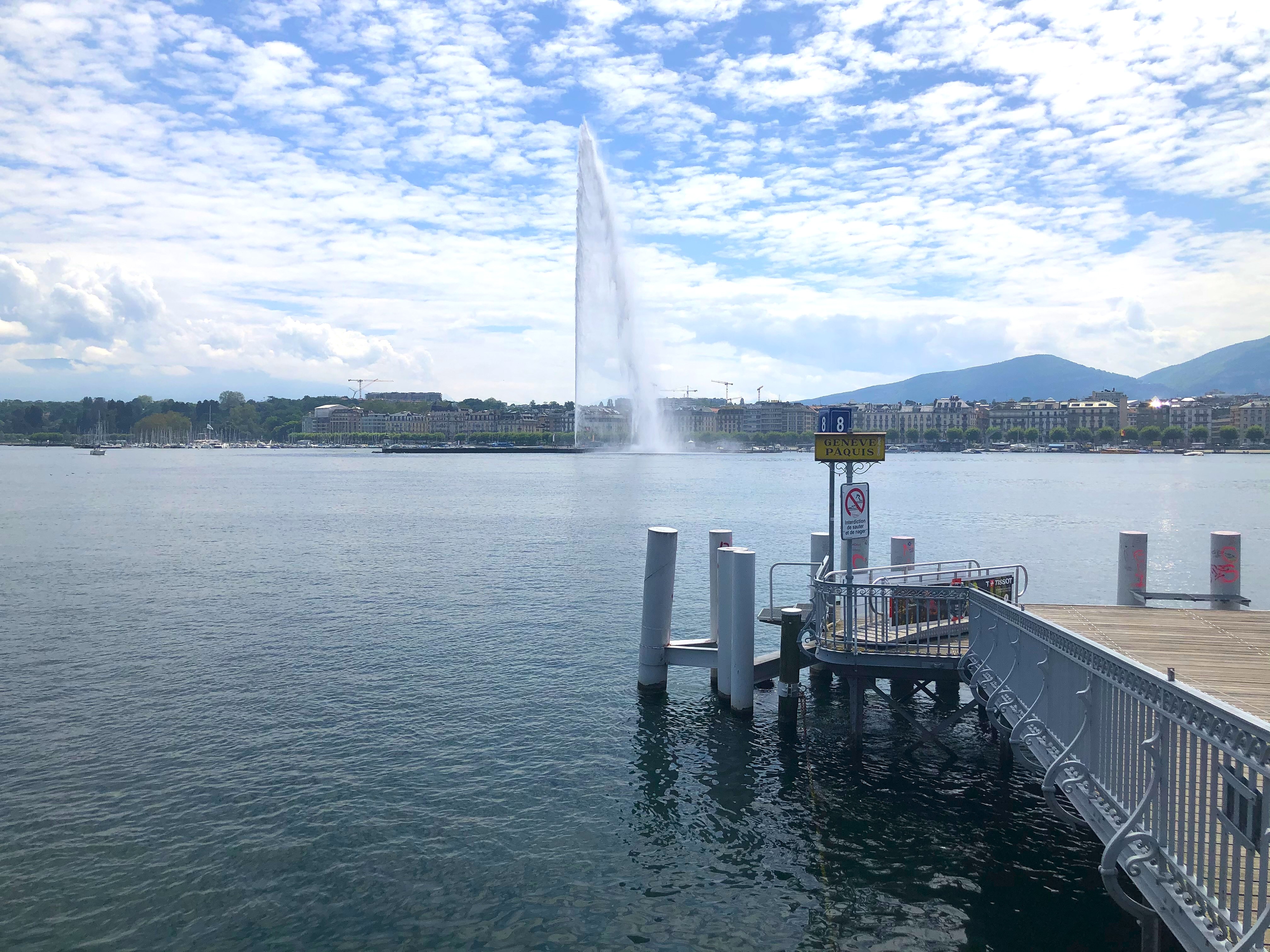
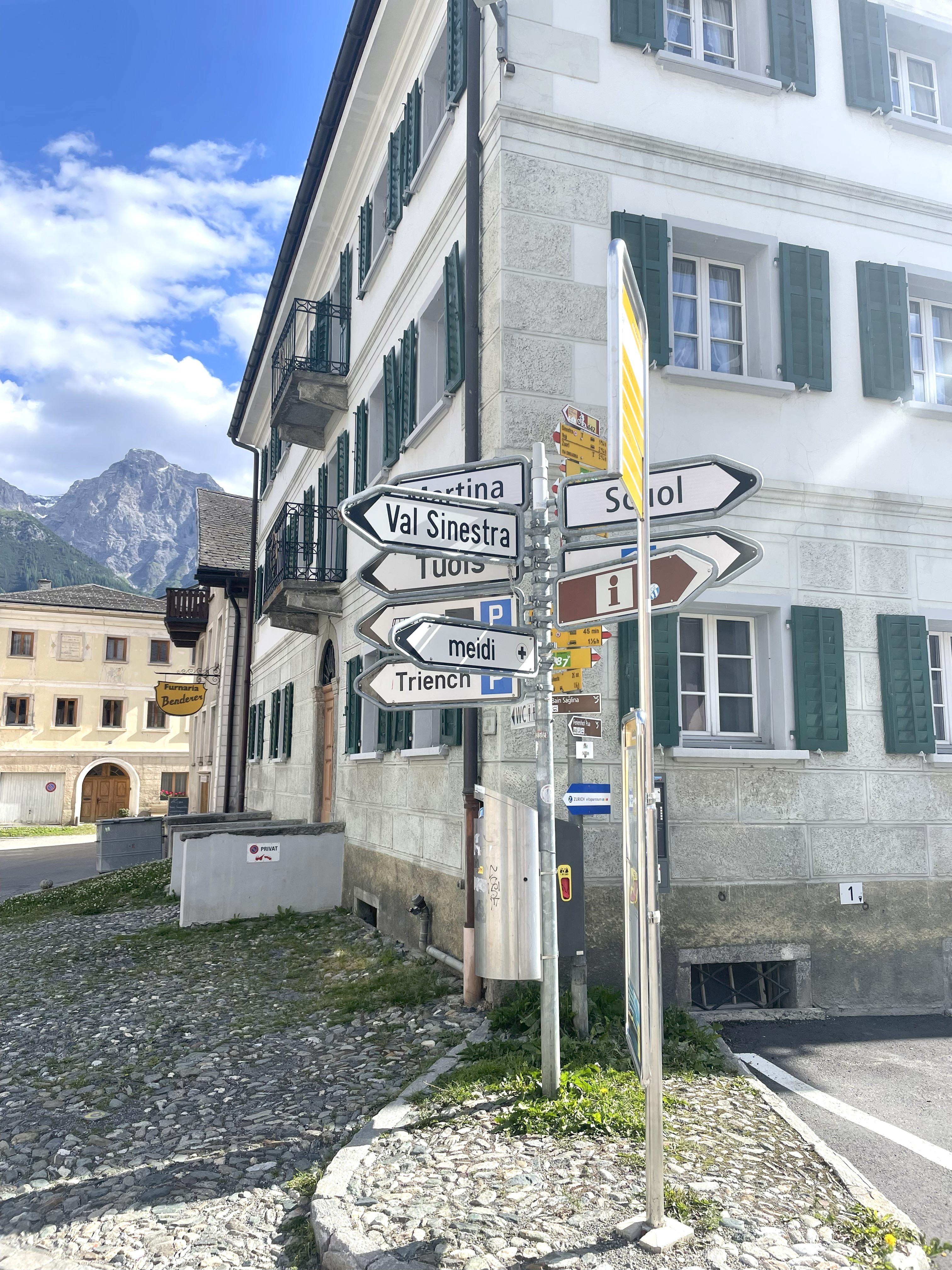
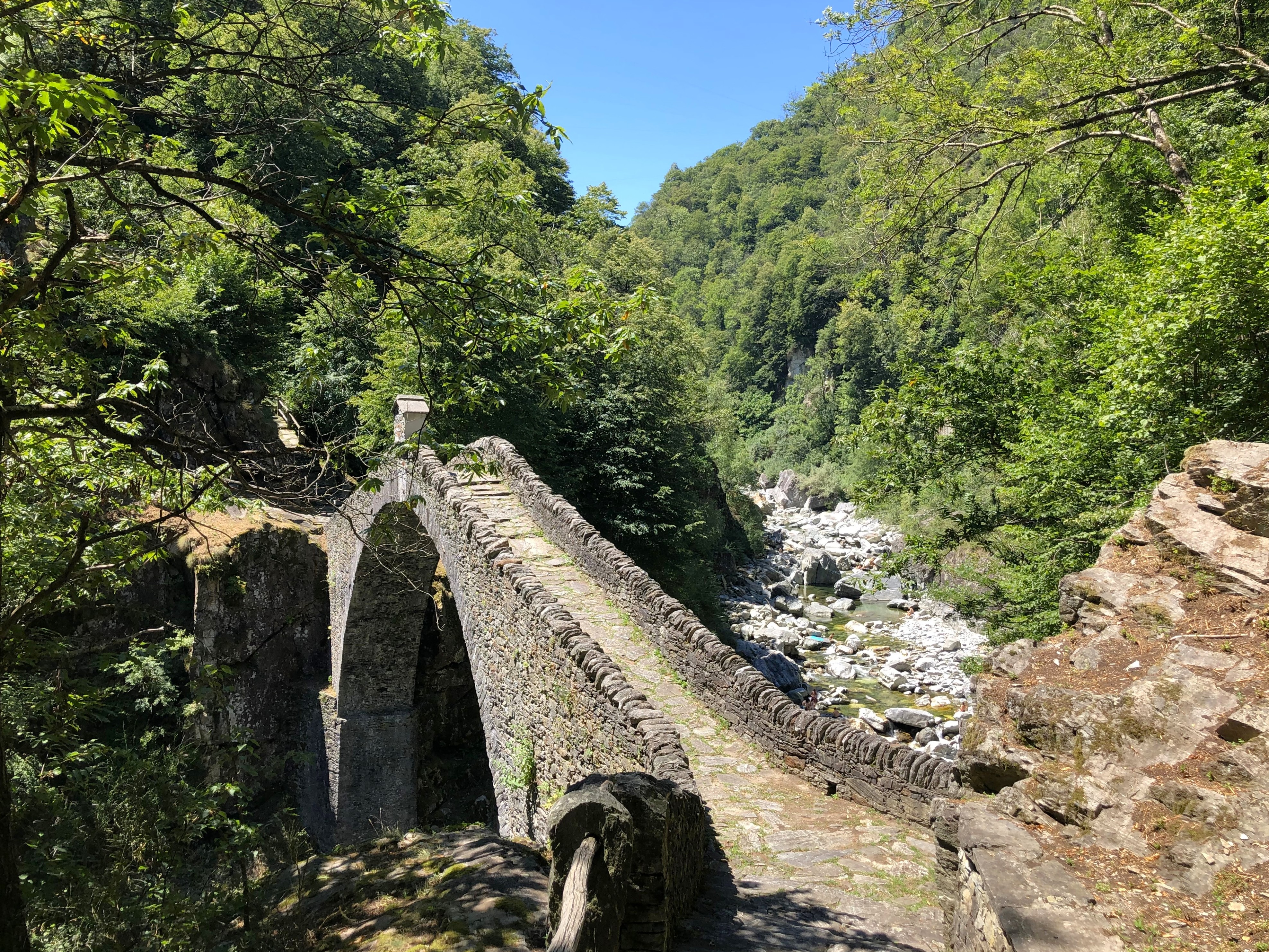
The collaboration with schools in four cantons – Lucerne, Ticino, Graubünden, and Geneva – reflects Switzerland’s federal structure and rich linguistic landscape. From Alpine to urban regions, the schools capture Switzerland’s diversity and represent different educational and linguistic contexts. This collaboration is supported by the education departments of Kanton Luzern, Kanton Graubünden, Repubblica e Cantone Ticino, and République et canton de Genève (DIP).
Lia Rumantscha and Pro Grigioni Italiano
Founded in Chur, Lia Rumantscha (1919) and Pro Grigioni Italiano (1918) are committed to promoting Switzerland’s minority languages and strengthening its multilingual character. Lia Rumantscha promotes Romansh and helps keep the language and culture visible across Switzerland. Pro Grigioni Italiano promotes Italian in Graubünden and beyond, supporting Italian-speaking communities through a network of regional centres and local sections.




Art and education
Svenja Herrmann is a Swiss writer, poet, and learning therapist whose work focuses on language and creativity. Through Schreibstrom, she leads writing workshops that encourage children and young people to explore imagination, confidence, and self-expression, drawing on her background in poetry and gifted education.
Beat Küng is a Swiss visual artist and media educator based in Lucerne, working at the University of Teacher Education Lucerne (PH Luzern) and its Centre for Media Education and Informatics (ZEMBI). His work connects art, photography, education, and participation. Through digitalpro.ch and his podcast Aus der Schule geplaudert, he promotes media literacy and fosters artistic engagement within and beyond schools.
Case study 4
Language Revitalisation in Santiago de Compostela
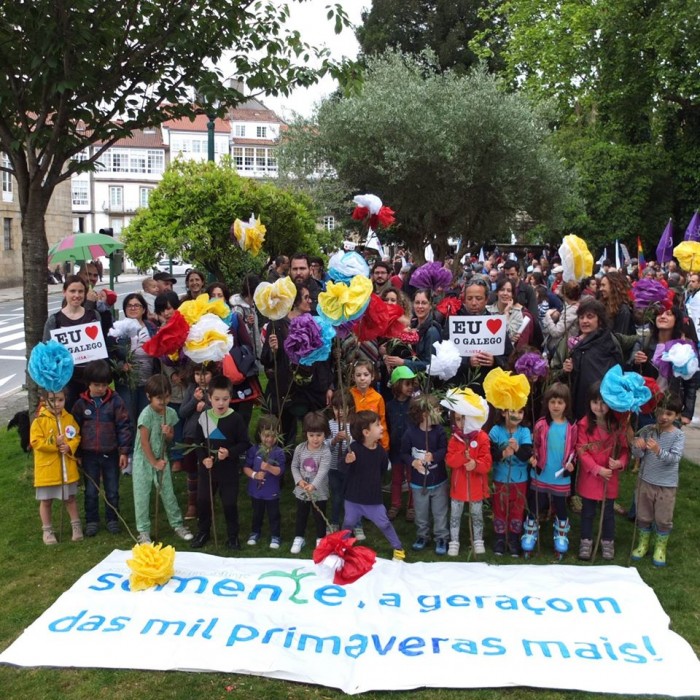


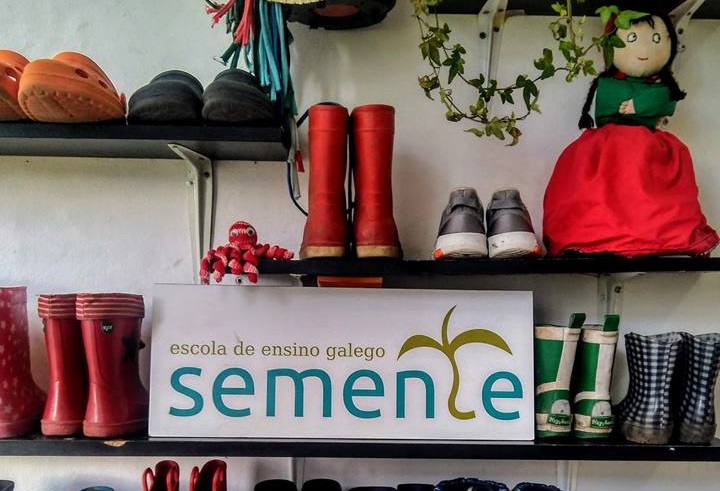
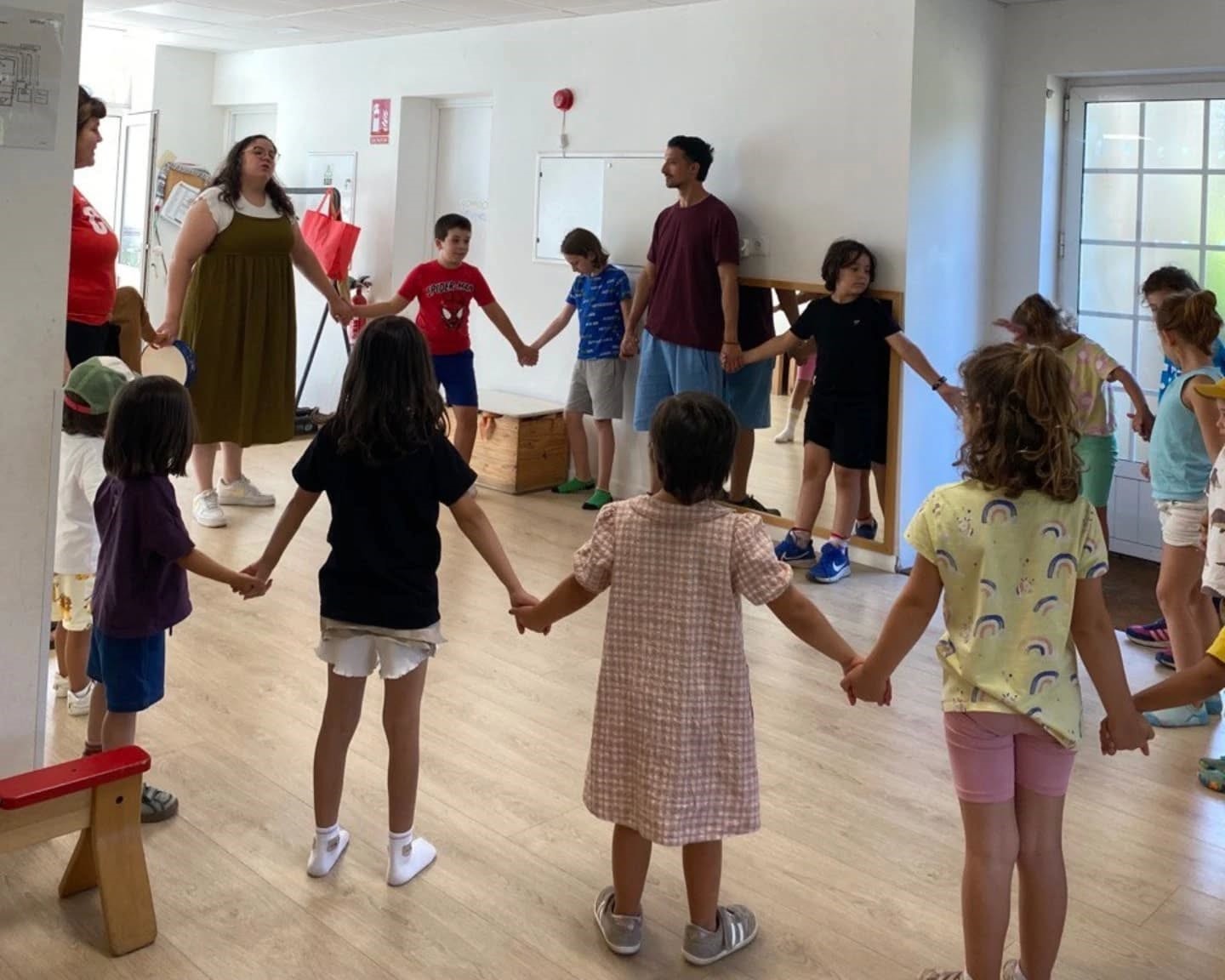
Semente Compostela Pre- and Primary School
Semente is a network of community-based Galician language immersion schools. In their own words: “we seek to offer an educational service characterized by the care, renewal and transmission of Galician linguistic and cultural heritage, a source of collective creativity and a guarantee of social cohesion and integration”.
Semente’s educational project includes the values of feminism, environmentalism and the pursuit of social justice. They describe themselves as “a nonprofit association network that promotes a self-centered, multilingual, inclusive, secular, and pedagogically innovative education. We contribute to building a fairer and more democratic society.”
Reguiefa Community
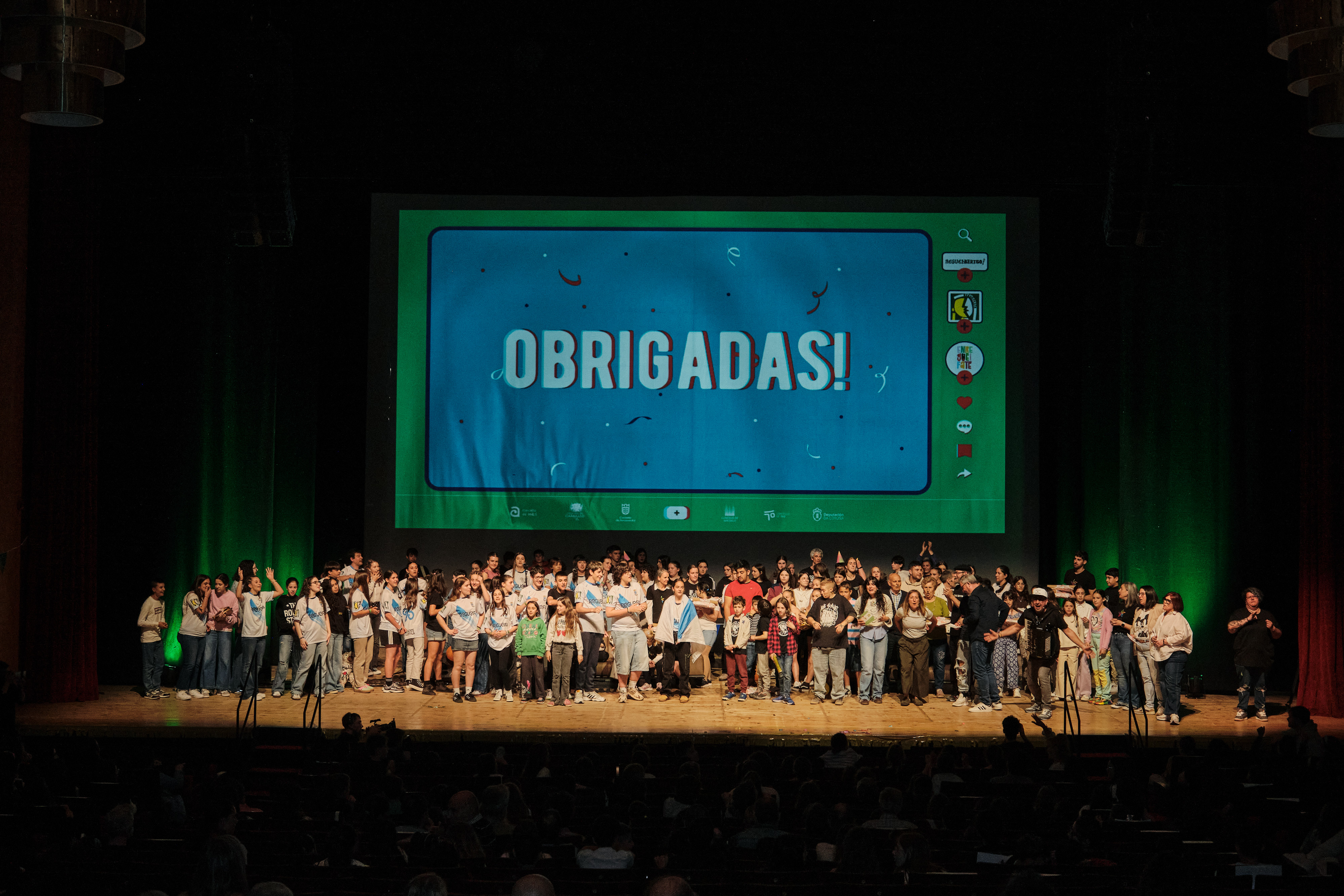
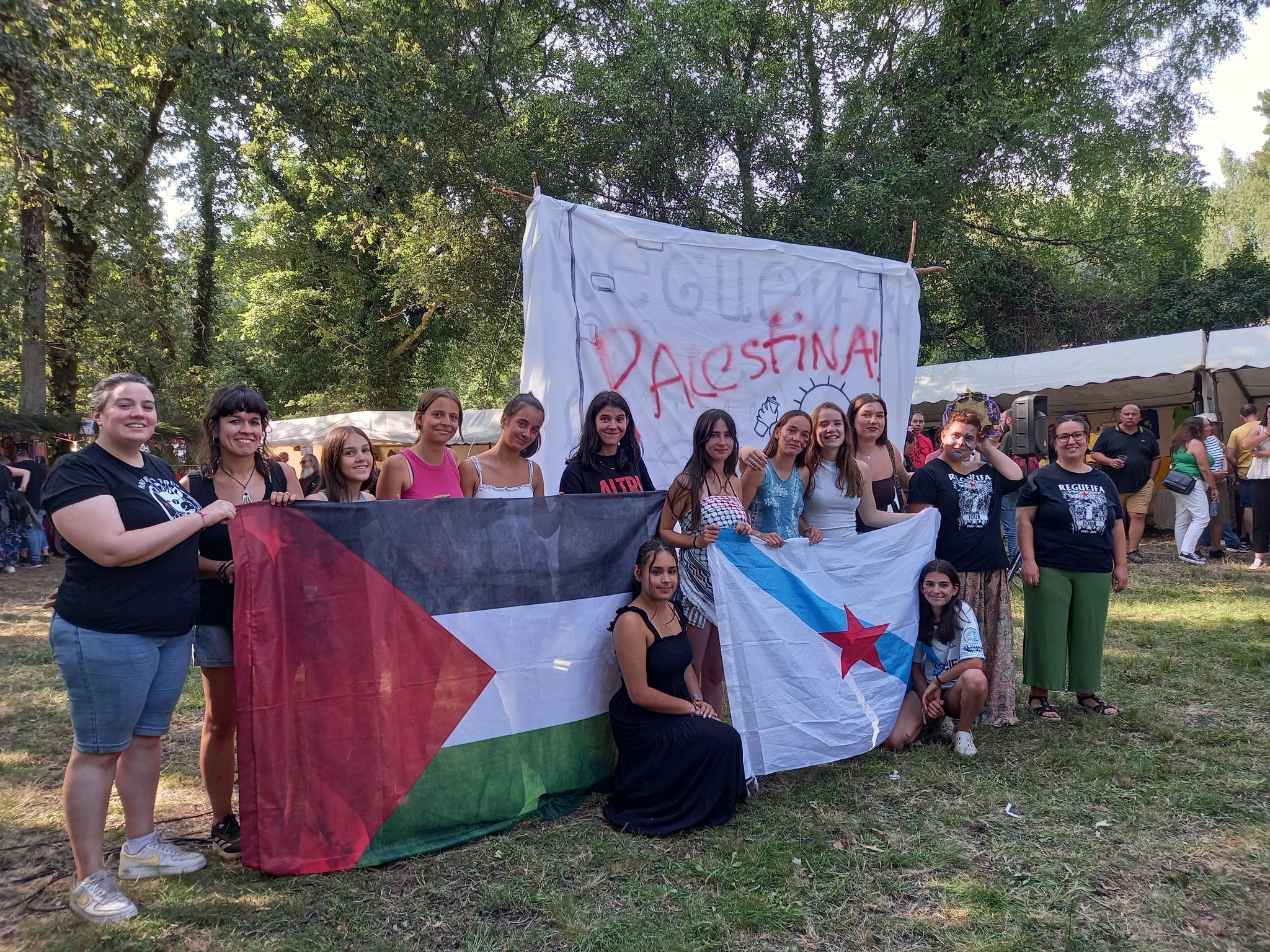
By the end of the twentieth century the regueifa tradition of improvised singing-in-verse was in clear risk of disappearing. However, the association ORAL in Vigo and activists around Semente School in Santiago de Compostela started a revival movement teaching this art to children and teenagers.
Some of the most proactive centres are the high schools IES Marco do Camballón in Vila de Cruces and IES Basanta Silva in Vilalba, two of our partners. The latter, led by Almudena Falcón, hosted the I Campus de Regueifa in early 2025. This was 3-day gathering where dozens of teenagers from all over Galicia came together to practice, learn and share through the art of regueifa. This and other gatherings have included an exchange programme with Basque students who practice a similar tradition called bertsolaritza.
We are also working closely with Regueifa Tour, a group of five teen girls. All of them were schooled at or have strong ties to Semente Compostela. They meet in flexible arrangements and have performed extensively across Galicia the last three years.




Case study 5
Sports, Youth and Languages in Catalonia

Òmnium Cultural
Òmnium Cultural is a non-profit organization founded in 1961 to defend Catalan language, culture, and civil rights. With more than 180,000 members and over six decades of history, it has become one of the leading cultural associations in Europe. Òmnium promotes social cohesion, education, and civic engagement, and has played a central role in supporting democratic values and human rights. Through its cultural and social projects, it continues to be a pillar of Catalan civil society.
Europa Football Club, Gràcia
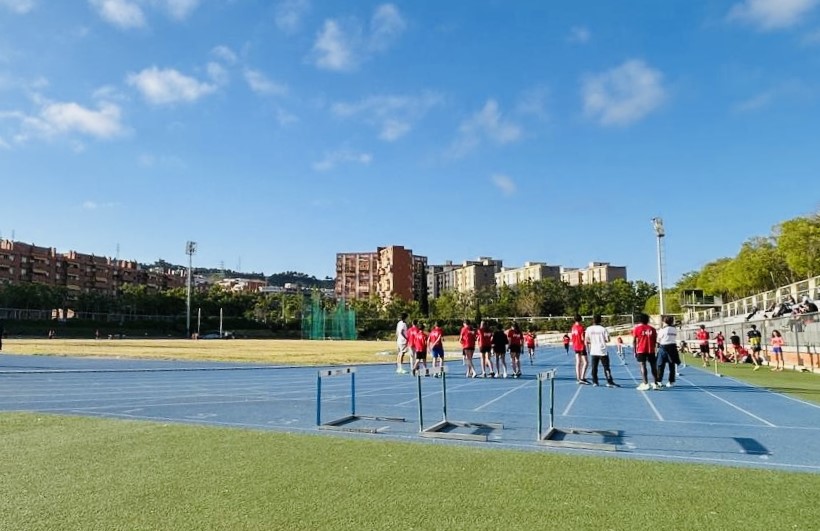
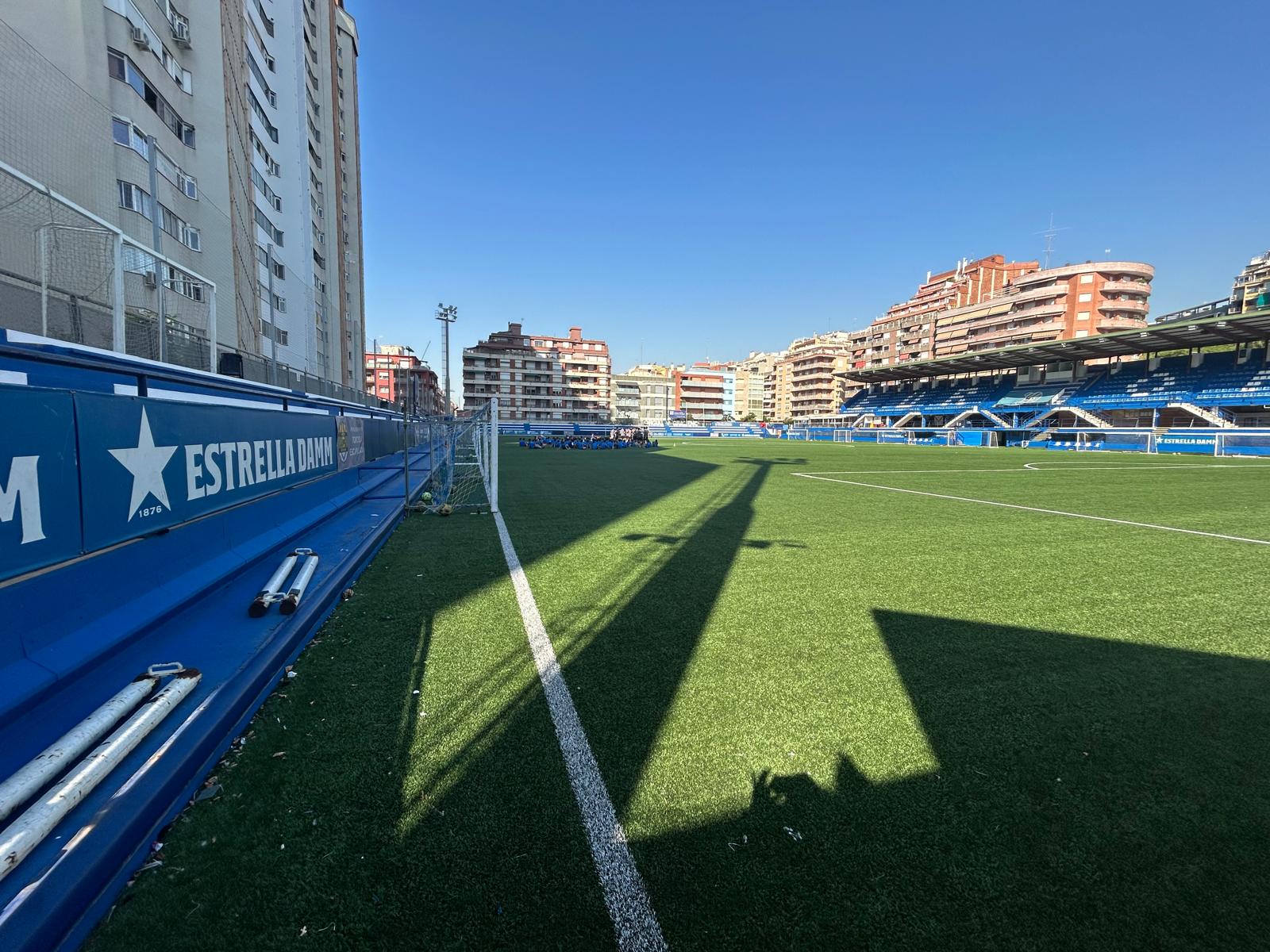
Club Esportiu Europa, founded in 1907 in Barcelona’s Gràcia town, is one of the historic names in Catalan football. With more than a century of history, the club has always stood out for its sporting commitment, social roots, and community spirit.
Based at the Nou Sardenya Stadium, Europa is not only home to its senior team but also a meeting point for members, supporters, and neighbours. Its strong youth academy trains hundreds of boys and girls every season, instilling values of respect, effort, and solidarity while nurturing both athletes and citizens.
Beyond football, CE Europa is deeply committed to diversity, equality, and inclusion, values that also extend to linguistic diversity and the rich cultural life of its community.
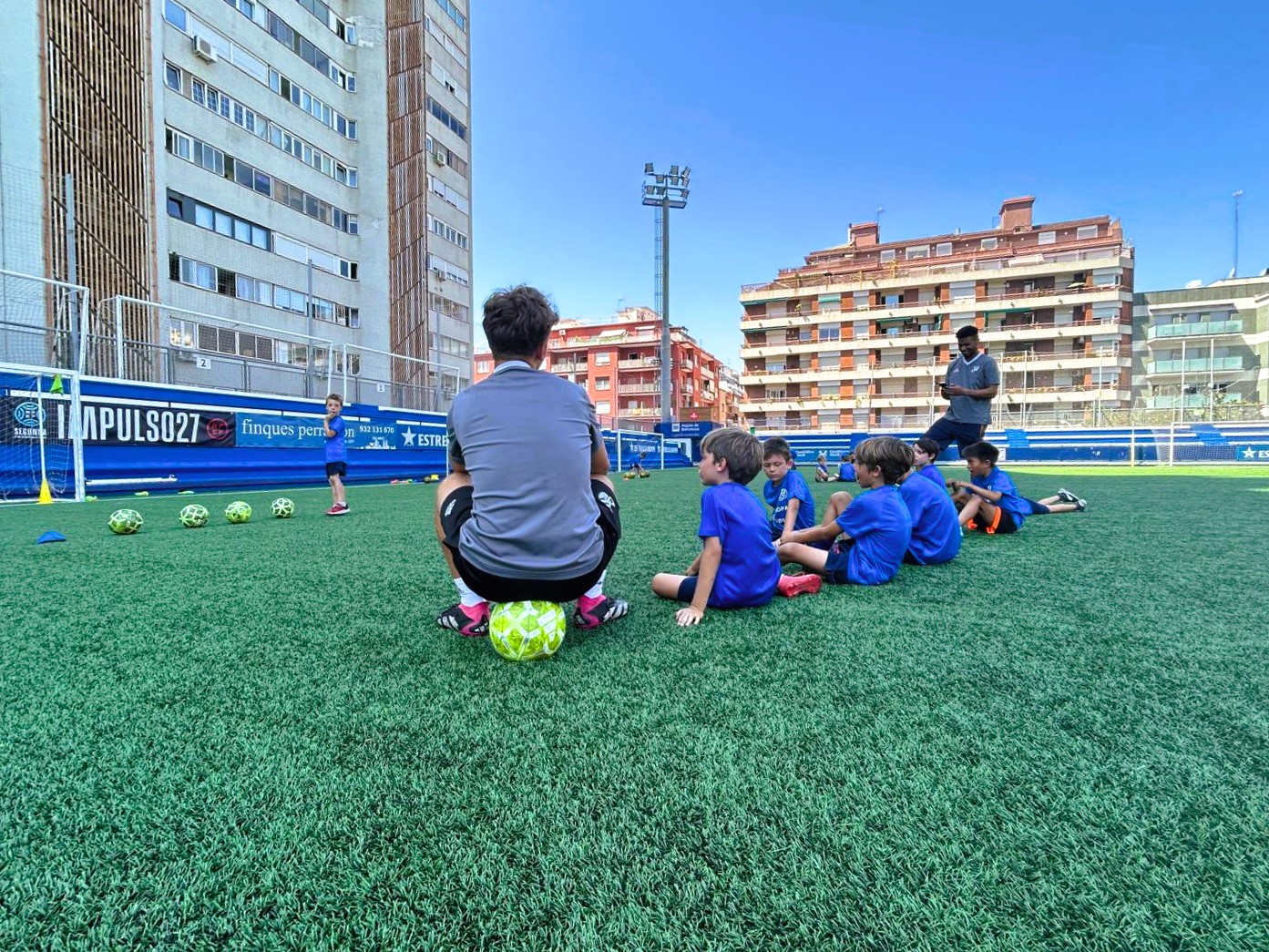
We have had the opportunity to collaborate with the club in our research on youth, language, and sport, conducting participant observation during their summer camp, witnessing firsthand the work they do with young people and how they foster skills, socialization, and a sense of belonging. With a loyal and passionate fan base, Club Esportiu Europa continues to write new chapters in its centenary story, embracing future sporting and social challenges while staying true to its Gràcia town identity.


Case study 6
The Kven Language and Youth in Norway


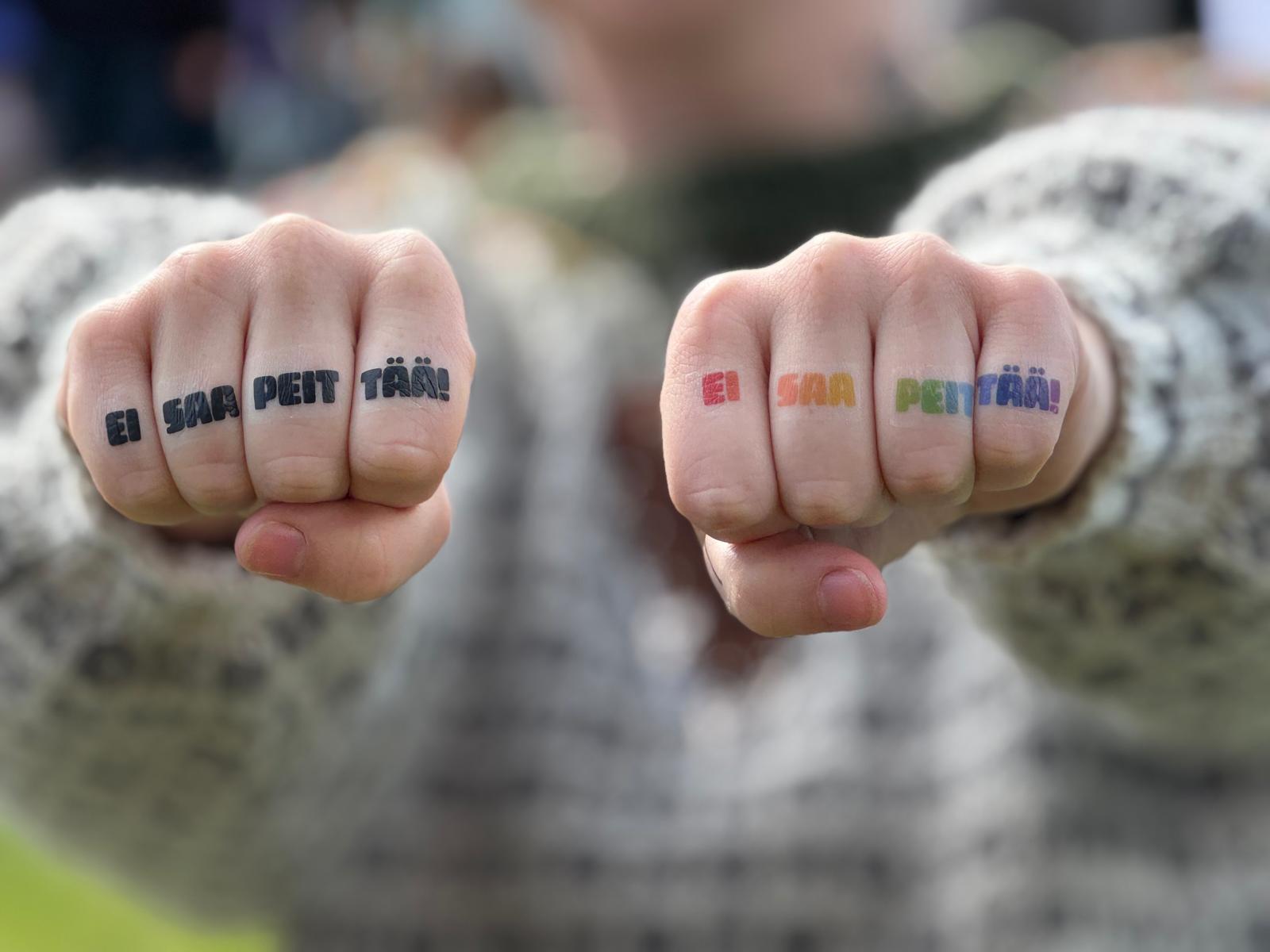

Pride images: Kristin Nicolaysen
Kvääninuoret
Kvääninuoret, founded in 2008, is the largest Kven youth organisation in Norway, with over 350 members. The organisation is run for and by youth belonging to the Kven national minority and is affiliated with Norske kveners forbund – Ruijan kvääniliitto. Kvääninuoret works broadly in the interest of young Kvens, with a particular focus on building community and creating meeting places, strengthening youth identity, and promoting the rights of Kven youth, including access to education in Kven language and about Kven culture and history.
 MultiLX