✎ Authors: Jai Mackenzie, Csanád Bodó, Noémi Fazakas, and Blanka Barabás
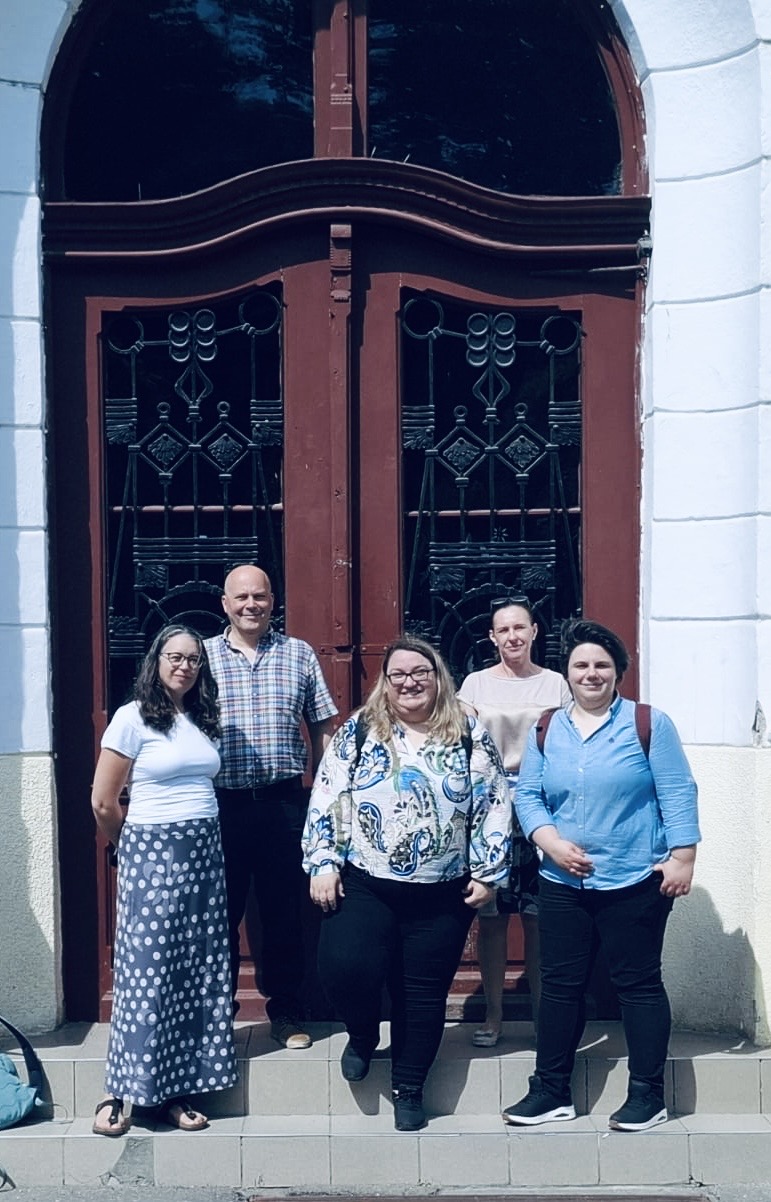
This June, Jai Mackenzie travelled to Transylvania, Romania, to visit the newest MultiLX case study site and meet the team leading it: Csanád Bodó (ELTE – Eötvös Loránd University Budapest), Noémi Fazakas and Blanka Barabás (ELTE and Sapientia Hungarian University of Transylvania).
Csanád, Noémi and Blanka’s project explores intercultural encounters in the multilingual city of Târgu Mureș/Marosvásárhely. Working with young people from Romanian, Hungarian and Roma backgrounds, the team is using collaborative digital storytelling to investigate how linguistic capital, identity and belonging are negotiated through everyday and digital communicative practices.
Day one
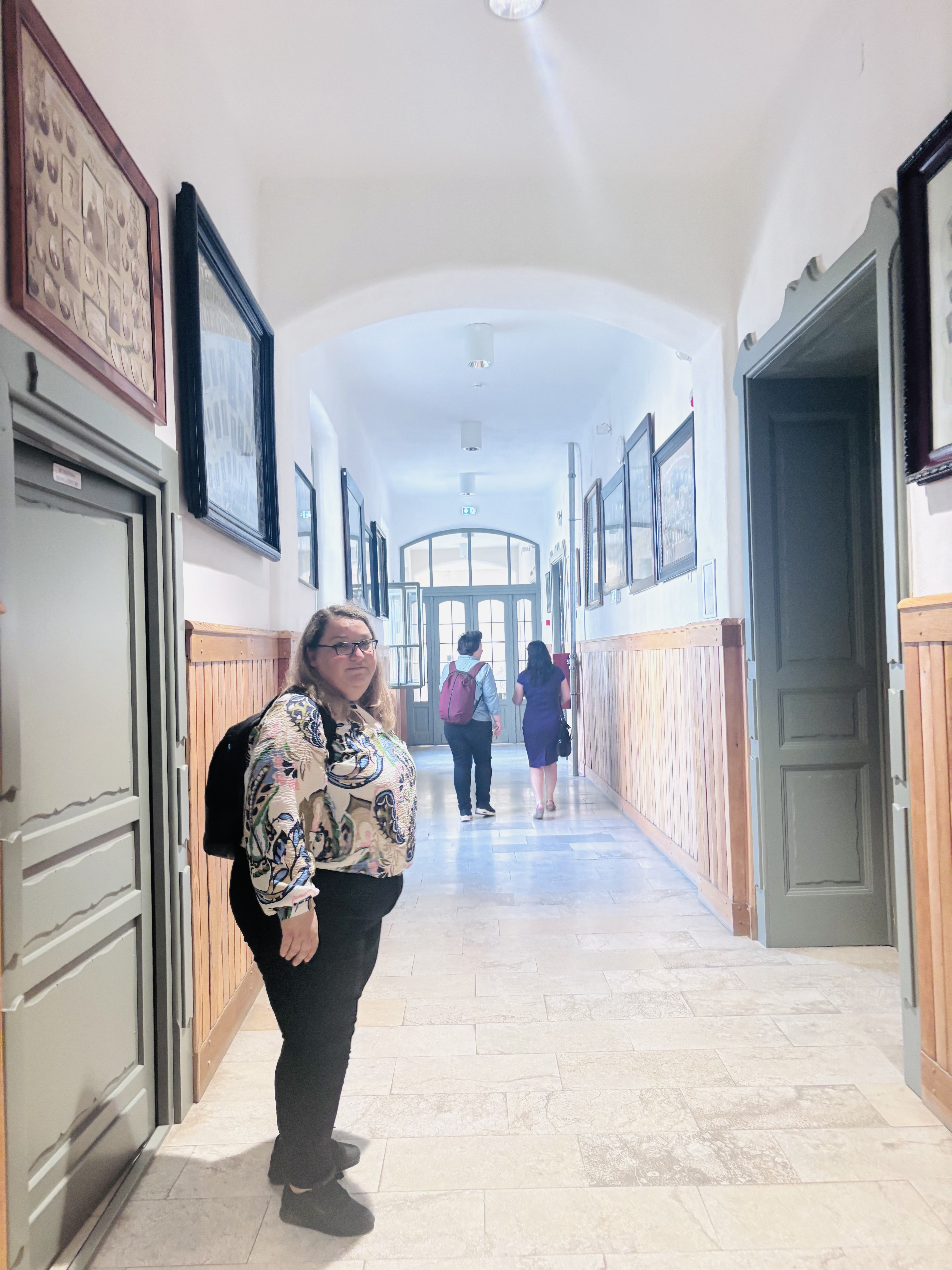
Our first day was spent getting to know the local context and the institutions that support the project. We began our adventures at Bolyai Farkas Theoretical High School, one of the team’s partner schools. Two students took us on an expert tour, explaining the school’s rich history and its significance within the city’s Hungarian-speaking communities. We met Albina Puskás-Bajkó, the teacher collaborating with the research team, and the school’s principal, Zoltán Hajdú. Both spoke enthusiastically about the project and the opportunities it creates for collaboration between Hungarian and Romanian Schools.
Later we visited Unirea National College, where we were welcomed by teacher Tünde Pintilie, another key collaborator on the project. Tünde showed us around the school and introduced us to Principal Aurora Manuela Stănescu. As at Bolyai Farkas, there was a strong sense of excitement about the possibilities of bringing young people together across linguistic and cultural backgrounds.
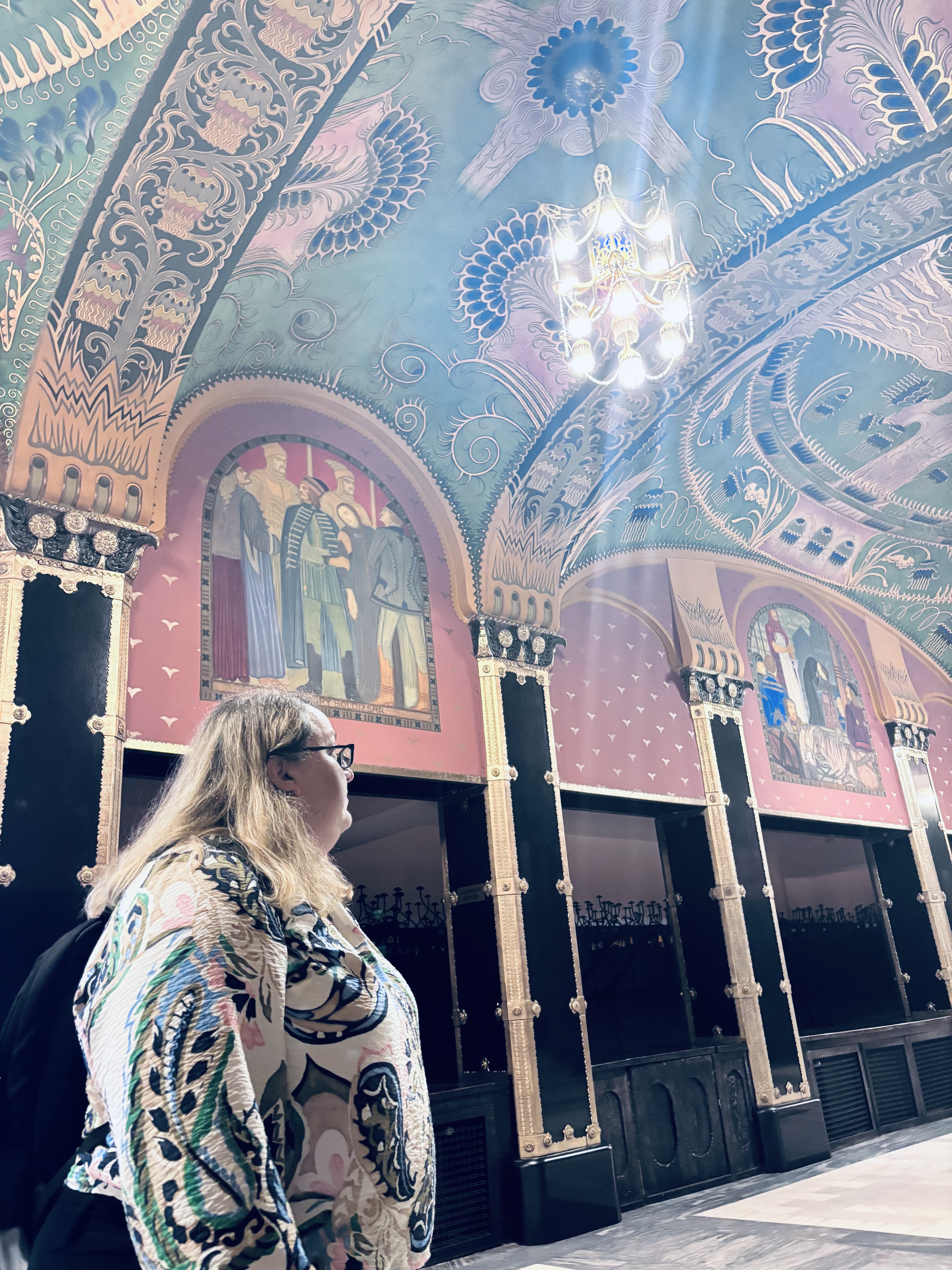
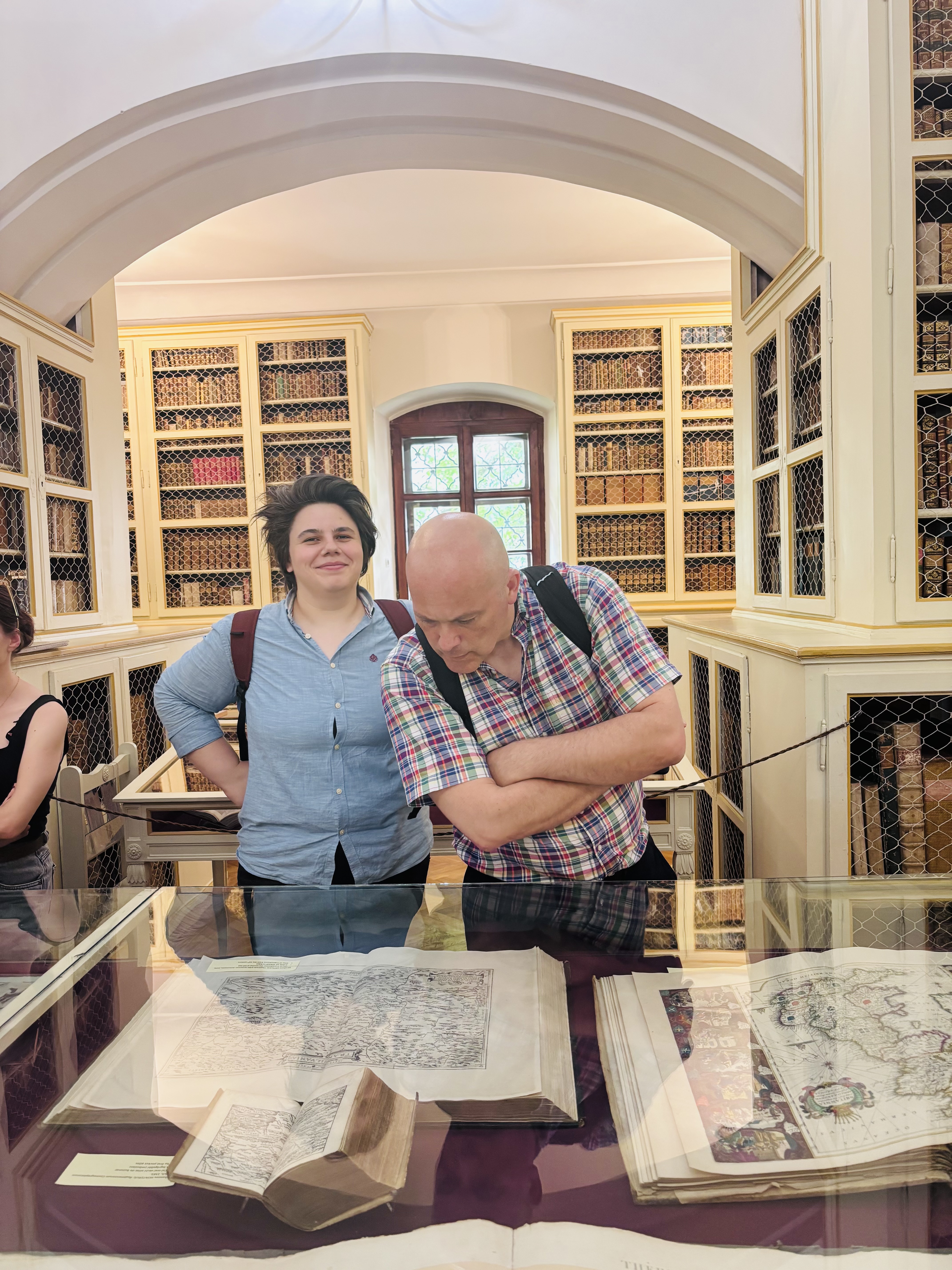
We spent the rest of the day exploring the linguistic landscapes of Târgu Mureș, a city where Romanian and Hungarian coexist in public space. This included a visit to the Palace of Culture, where the team hopes to showcase young people’s creative work in the coming months. Our next stop was the Teleki Téka Library, home to rare books, manuscripts and a remarkable collection of Transylvanian cultural artefacts. We concluded the day at Sapientia Hungarian University of Transylvania, where the Dean, József Domokos, told us about the university’s history, its role within the region and its plans for future development. Each institution offered a fresh perspective on the region’s rich multilingual and multicultural history.
Day two
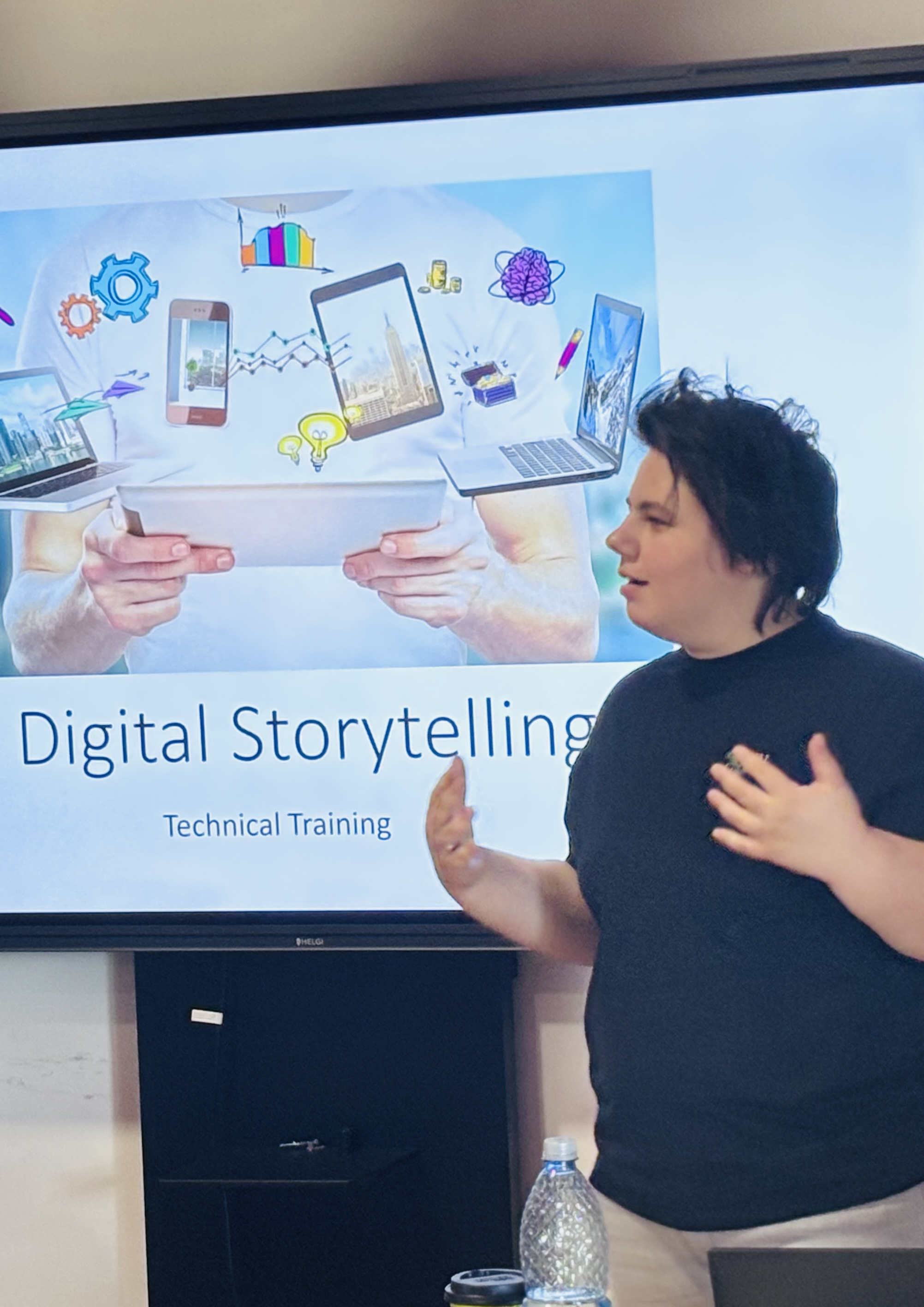
On the second day, we travelled to Teleki Hotel Sovata, the picturesque location for the team’s workshops, with students and teachers from Bolyai Farkas and Unirea High Schools. The workshops provide an opportunity for young people from different backgrounds to socialise, collaborate and develop their digital storytelling skills.
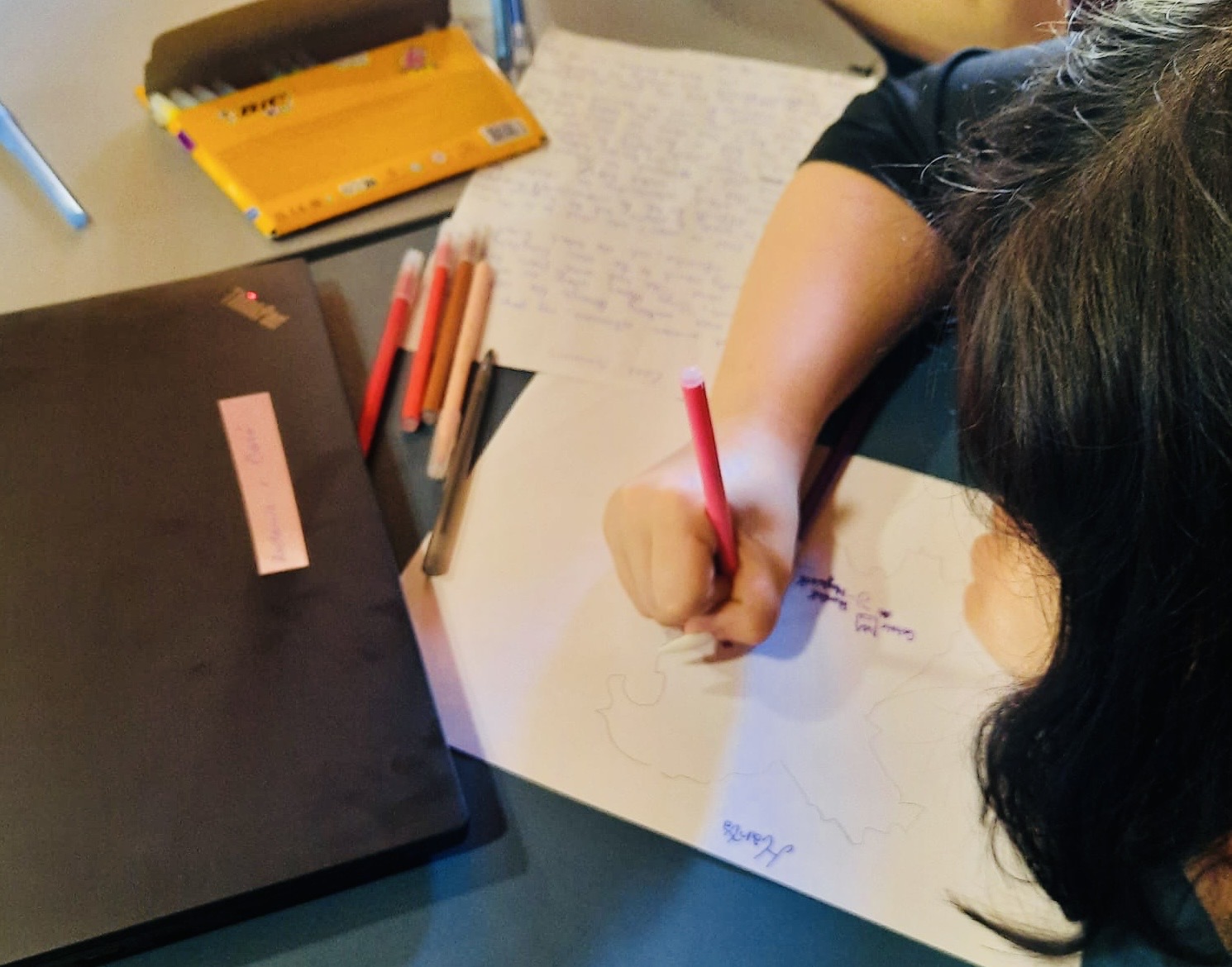
The day was energetic and creative from the outset. Participants took part in team-building activities designed to encourage collaboration and trust before beginning work on their collaborative stories of intercultural encounters. Young participants worked together to create maps of the region, share experiences and reflect on their understandings of place, language and belonging. Watching these collaborations develop over the course of the day offered a glimpse of the project’s participatory approach in action.
Teachers Albina and Eva from Bolyai Farkas joined the activities, supporting the students and helping to foster a collaborative atmosphere. It was clear that the enthusiasm and commitment of the teachers are an important part of the project’s success.
We were also joined by Katalin Moldovai, who is producing an ethnographic film about the team’s work. Jai interviewed Katalin about her experience of working with young people, her perspectives on interactions between Hungarian and Romanian communities, and the possibilities that emerge when academic research and creative practice come together. It was a fascinating conversation that echoed many themes that are significant across MultiLX, particularly for Work Package 5, Beyond Languages.
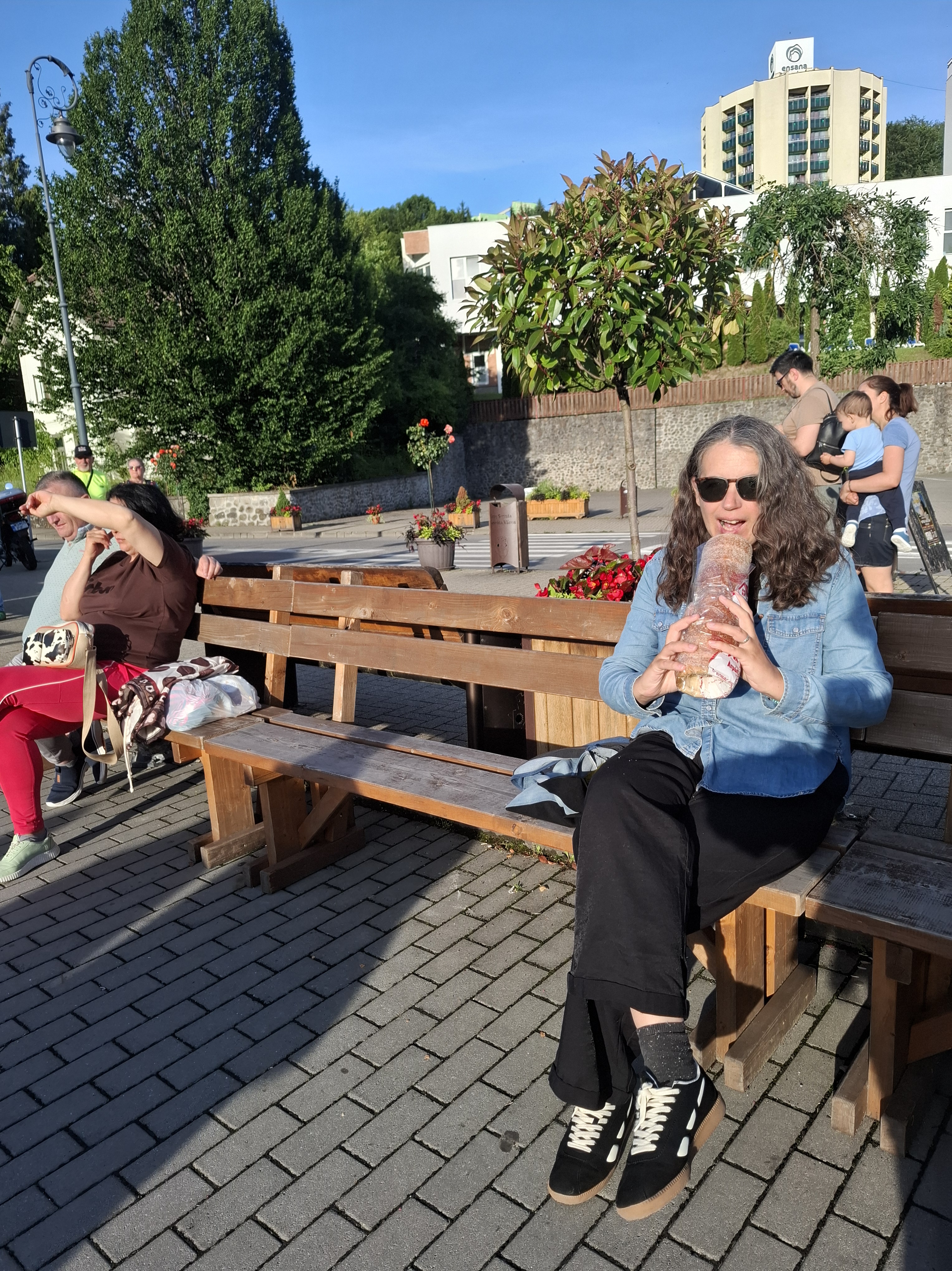
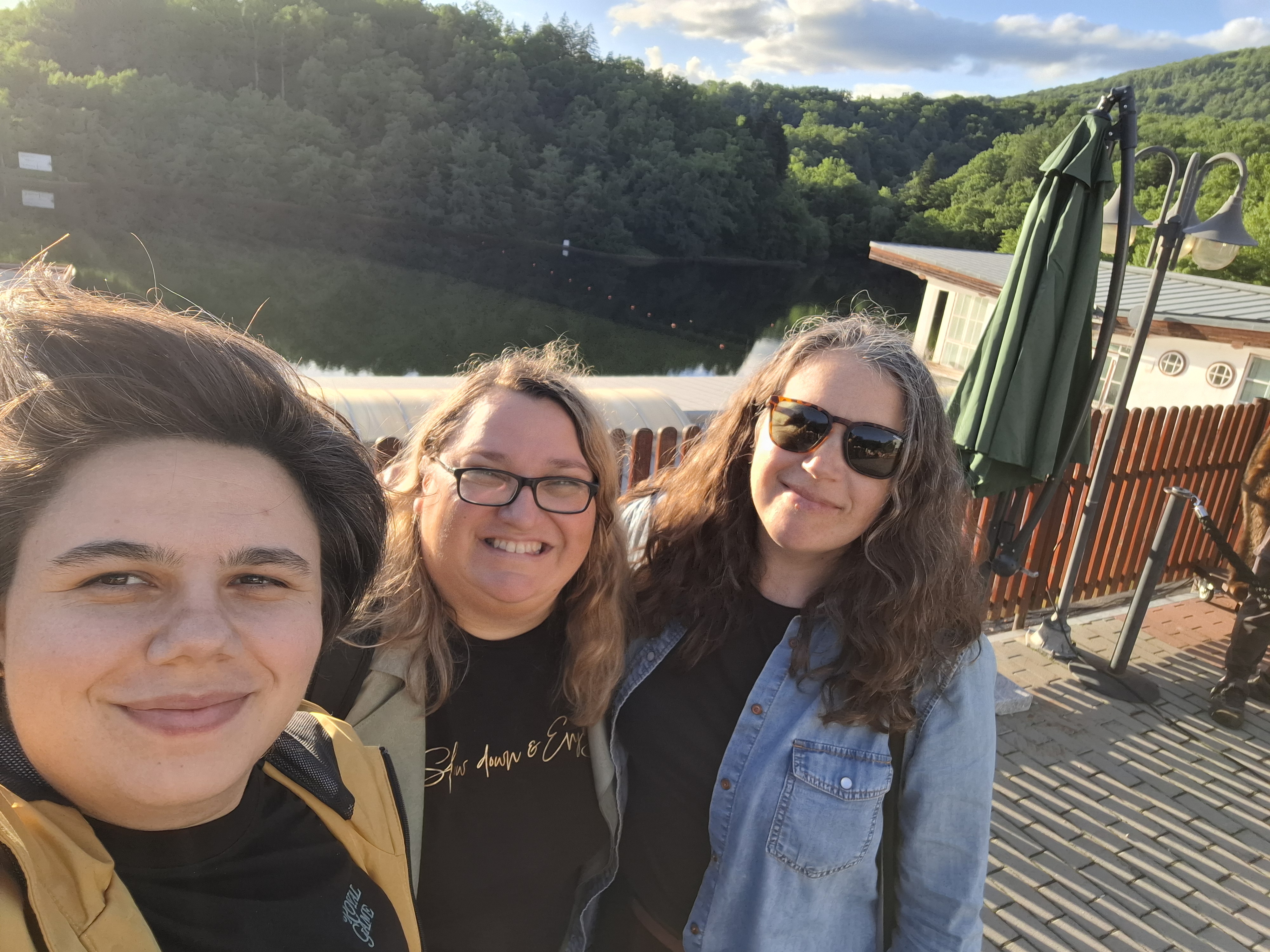
After a full day of workshops, discussions and storytelling, we explored the local area, including Bear Lake and the Praid Salt Mine.
The visit offered a valuable introduction to this exciting new case study and the dedicated team behind it. Most of all, it was inspiring to see young people from different linguistic and cultural backgrounds coming together to tell their stories collaboratively. In the Autumn, the team will do it all again, conducting another series of workshops with teachers and students from a school where students can choose to learn either in Romanian or Hungarian. They also plan to involve Roma students in these workshops. We look forward to following the development of the project and learning more from the team’s intercultural encounters and multilingual storytelling in Transylvania.


Leave a Reply