From the field: Pyssyjoki
It’s the 13th of July and I’m boarding a plane. It’s one of those small planes, with only 39 seats, that operates like a bus, stopping at several small airports to let passengers on and off. I have heard from international colleagues and friends that this is a strange way to fly, but in Northern Norway we’re very used to what we call “milk-routes”. It is the most efficient way to get around this vast yet sparsely populated part of the Arctic, where a drive from one end of the county to another will likely set you back 10 hours. Today, however, my flight from Tromsø to Lakselv is direct, and once I land in Lakselv, I am but an hour’s drive away from my destination: the Kven village of Pyssyjoki, where I will be spending a week immersed in the endangered Kven language.
I have studied Kven at university for two years, but I wouldn’t say that I’m fluent. I am here in Pyssyjoki to participate in what is, to my knowledge, the first Kven language camp in 10 years. Thus, it is my first chance of truly immersing myself in the language, as someone who lives outside of the traditional language area. I am excited – being a board member of the Kven youth organisation Kvääninuoret, I have helped make this happen, and now that it is all about to begin, I can’t wait to get going. Moreover, I am here as a researcher on the MultiLX project, and I am going to be writing (auto)ethnographic fieldnotes throughout the week. Things that I normally take for granted will be subject to scrutiny as I meticulously describe them in my notebook.
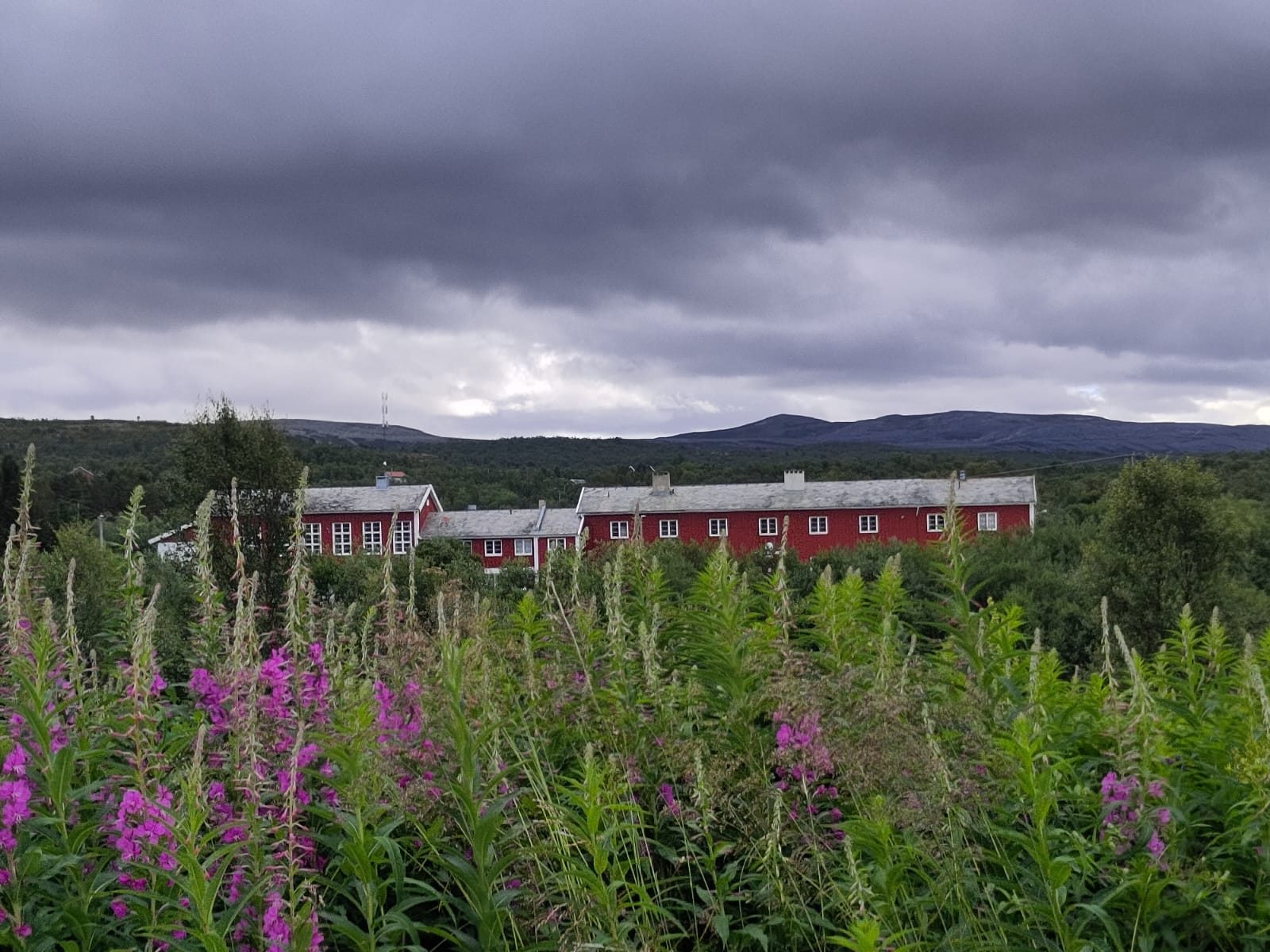
One such thing, which I might not have thought twice about if it weren’t for my notebook, is the place I and the other participants are staying while in Pyssyjoki. I have stayed in the same place several times before, and while it is far from an ordinary hotel, I never gave it much thought. Yet now that I begin to describe it in my fieldnotes, I realise that it is quite peculiar that the village has turned its old school into a hostel, or a “lodge”, as they call it. This is a rural area, where a hotel would see too little use to be worth the investment, so the school-turned-hotel always made sense to me. Yet now that I think about it, there is a certain irony to us staying here.
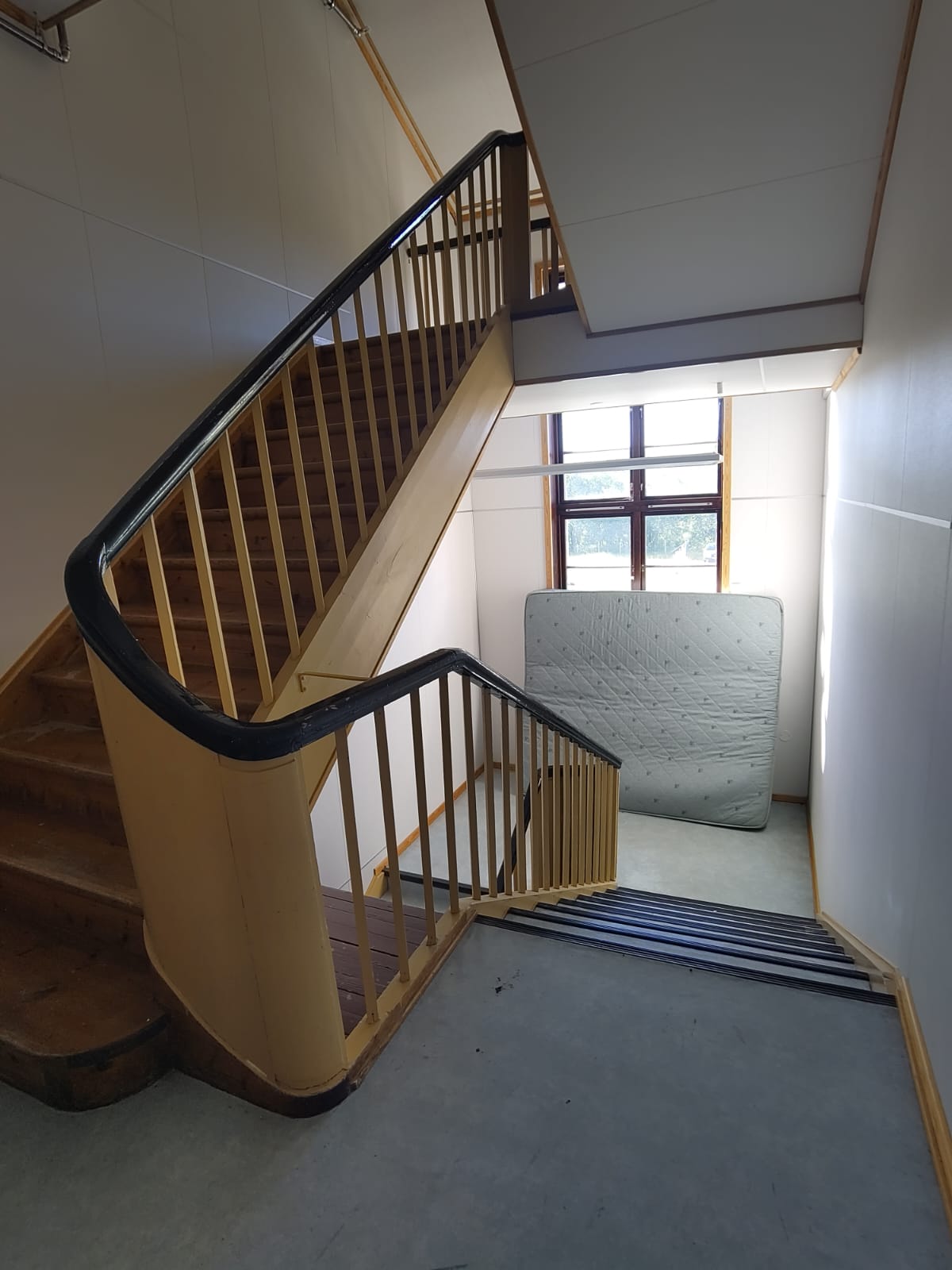
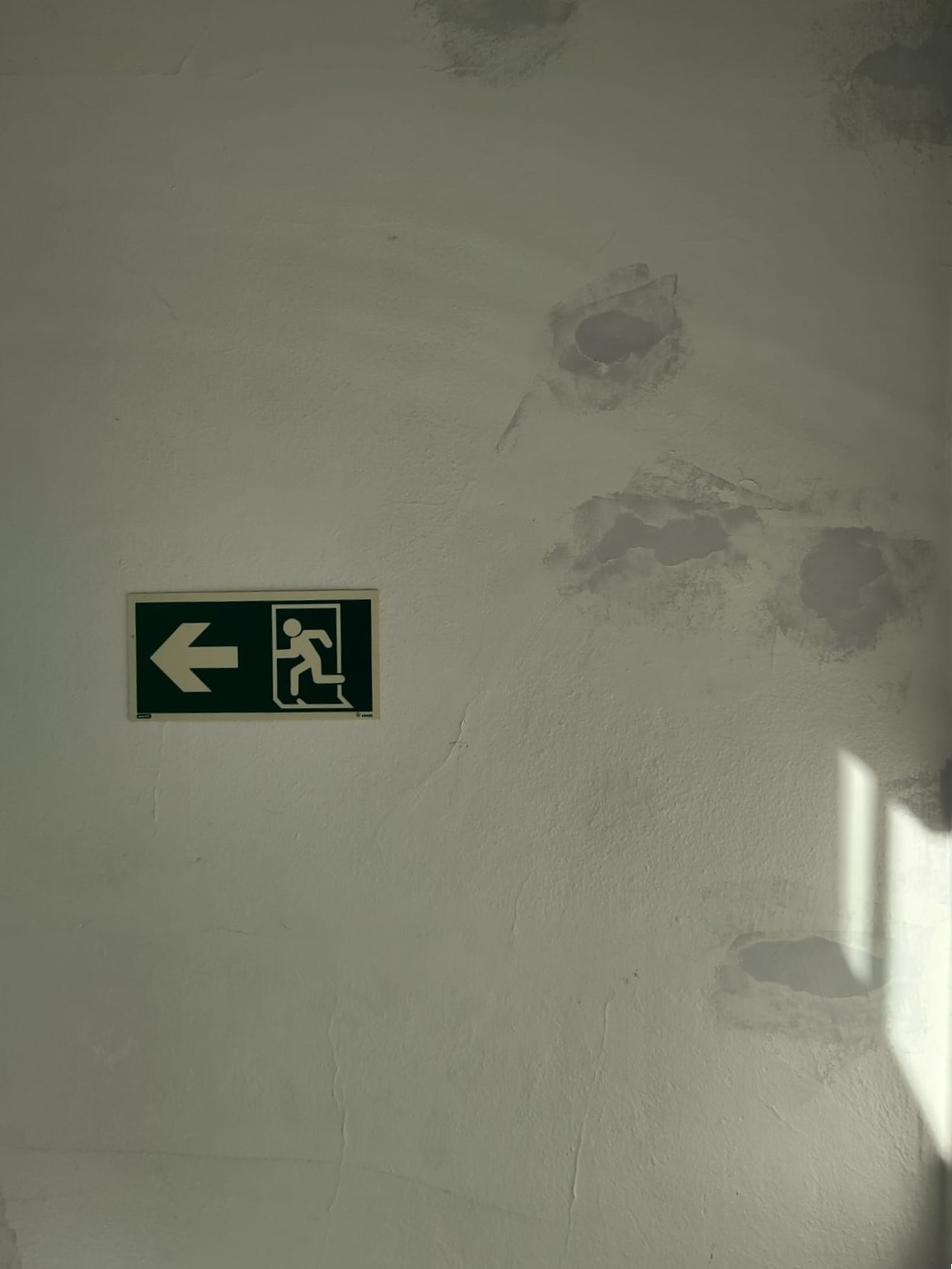
The school offers two types of accommodation. The first (and cheapest) option is the “lodge”, which is located in the building that once housed the school’s classrooms. This option therefore consists of old classrooms divided into smaller rooms by thin walls, with shared bathrooms along the halls. The rooms are clean enough, often furnished with twin beds, and decorations are sparse. In many, you can see traces of the building’s previous life in the form of small holes along the walls. These holes tell the story of a space once decorated with posters, pictures, and maps. Some rooms also house a raised platform, which I imagine was a teacher’s podium back in the day.
If you don’t want to sleep in the old classrooms, your other option is the apartment. The school was once a residential school, and it therefore contained sleeping quarters. The residence is easy enough to spot, as it is a section of the large red building painted white. Strangely, perhaps, this is where the village school is today. The old quarters have been converted into classrooms, and the old school into bedrooms. Perhaps they choose to do it this way because the student body is much smaller than it once was. In any case, on the second storey of the once-residence-now-school is the old apartment where the school’s caretaker lived. Today, this is an apartment tourists can let.
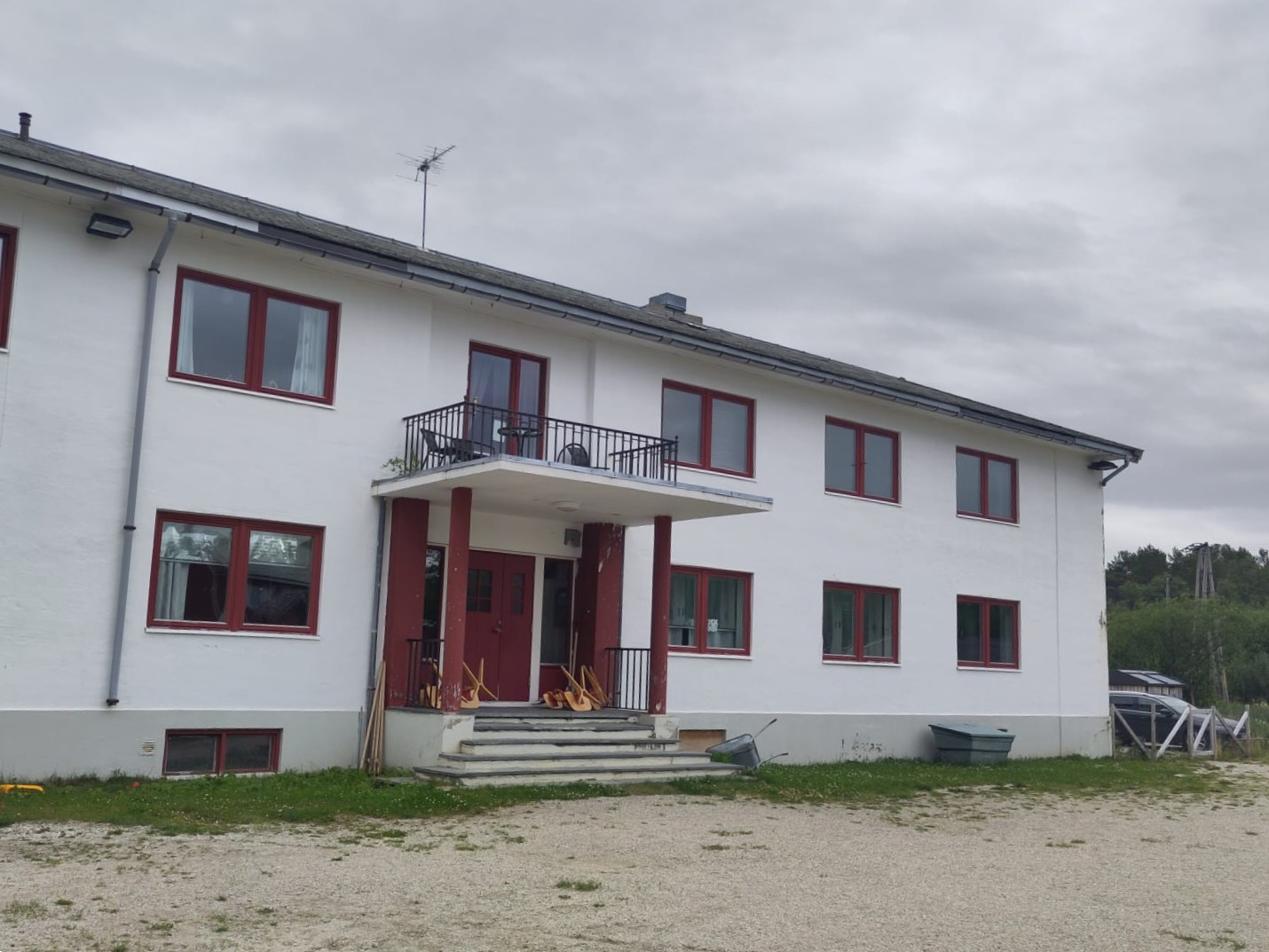
The Kven youth organisation has let the apartment for the language camp, as it is very practical for bigger groups and longer stays. Still, there is something strange and almost ironic about staying here – about sleeping in the very building where so many of the village’s children had their Kven language taken from them.
The residential school was built in the 50s, after the German army had burned most of the village down. Pyssyjoki lies far north, relatively close to the Russian border, and was burned as part of a “scorched earth” tactic under the German occupation of Norway during the Second World War. In the Norwegian context, we often say that the explicit government-led cultural and linguistic assimilation of the north took place between 1850 and 1950, and that it ended around the same time as WW2. Yet assimilation continued for some time after this period. This is true in Pyssyjoki, where the residential school had a detrimental effect on the linguistic diversity in the area. In fact, the assimilating effect of the school was so widely known that parents in nearby villages refused to send their children to school for a long period of time.
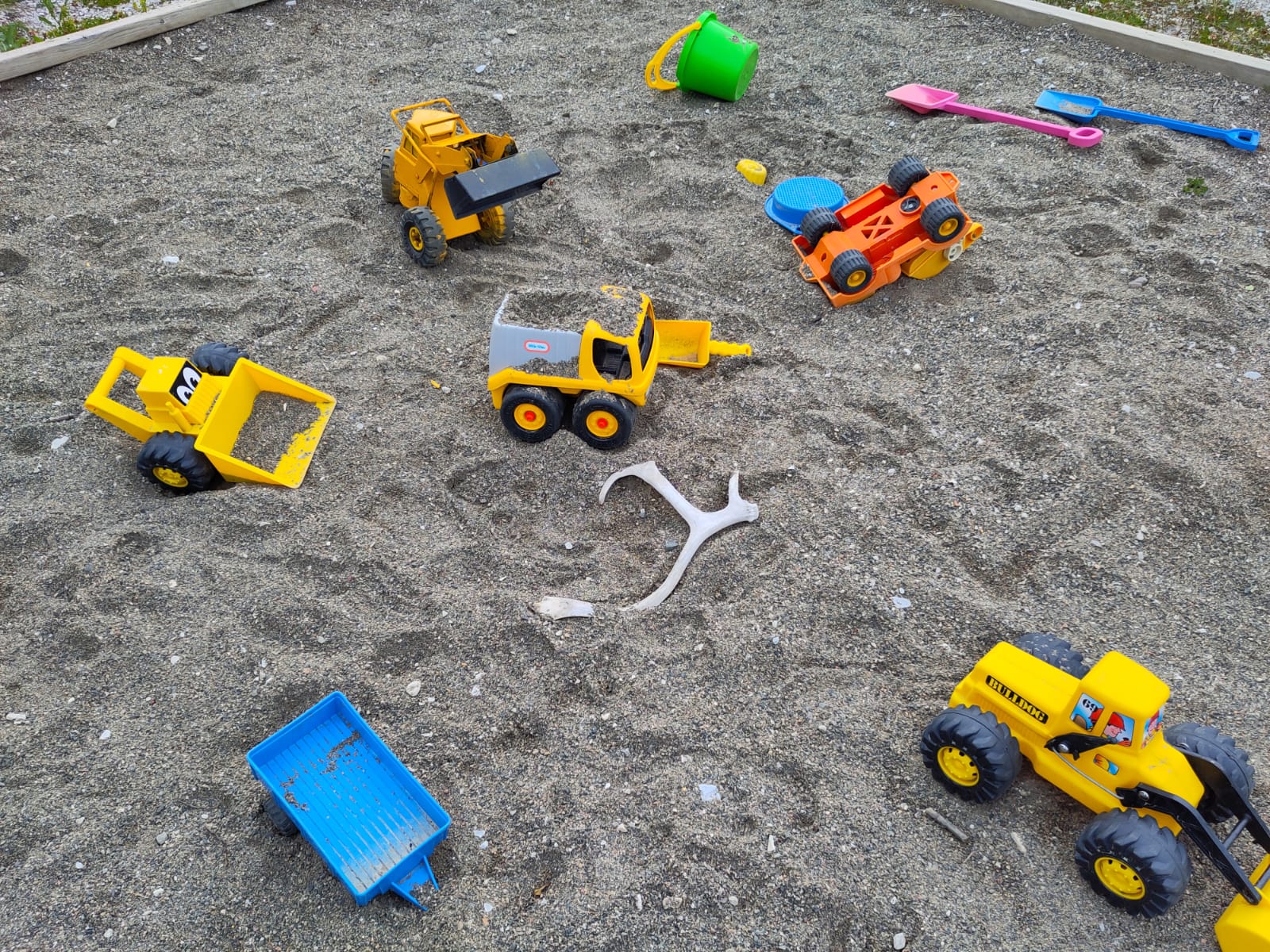
The history of the school is therefore intertwined with linguistic assimilation. Some, of course, have fond memories of going there – others tell horror stories. This week, we are living in the very building where local Kven children lived, only we are here to participate in a Kven language revitalisation programme, and not to learn to speak proper Norwegian. The contrast is one I can’t get over. Every time I walk past toys on the playground or see the patched-up holes in the drywall, I think about the history of this place and our role in it.
As the midnight sun shines on the white walls of the school residence, just like it did 60 and 70 years ago, I can’t help but reflect on how vastly my circumstances, and those of people living through Norwegianisation, differ. It puts my work into perspective and gives me motivation to learn, and to speak.
From the field,
M. Seppola Simonsen


Leave a comment